
Ashwagandha and Testosterone: Evidence and Safety

Ashwagandha is one of the better-studied botanicals used in men’s health formulas. Human trials of specific standardized extracts have reported benefits related to stress, strength, recovery, sperm quality, and testosterone in selected groups of men. Results are not identical in every study, so the extract, dose, population, and length of use matter.
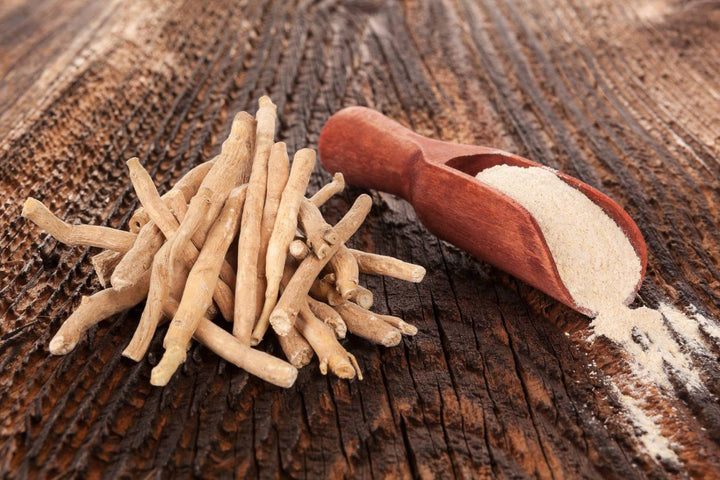
Ashwagandha, or Withania somnifera, has a long history in Ayurvedic practice. Modern clinical products use concentrated root or root-and-leaf extracts that can differ substantially from plain powder.
How ashwagandha may support testosterone
Ashwagandha is often described as an adaptogen, meaning it is used to support the body’s response to stress. Chronic psychological and physical stress can disrupt sleep, recovery, libido, and the hypothalamic-pituitary-gonadal axis. A botanical that supports stress resilience may therefore influence several factors connected with male hormonal health.
Researchers have also studied antioxidant effects, testicular function, exercise adaptation, and direct changes in reproductive hormones. These mechanisms are plausible, but the human outcome data provide the more useful basis for choosing a product.
What human studies show
A systematic review of herbal ingredients and testosterone found positive results for ashwagandha in several trials. The evidence base included healthy men, men under stress, resistance-trained participants, and men with fertility concerns, so the results should be interpreted in the population studied.
In a randomized resistance-training trial, men using a standardized ashwagandha root extract experienced greater gains in strength and muscle size, better recovery markers, and a larger testosterone increase than the placebo group. The study used 600 mg per day and paired the supplement with eight weeks of training.
Other research in men with infertility has reported improvements in sperm parameters and reproductive hormones. Those findings do not mean ashwagandha treats every fertility problem, but they help explain why it is frequently included in comprehensive male-wellness formulas.
Why KSM-66 and other standardized extracts matter
A label can say “ashwagandha” while using root powder, a concentrated root extract, a root-and-leaf extract, or a proprietary blend. Standardization identifies a more consistent level of key compounds such as withanolides.
KSM-66 is a branded full-spectrum root extract used in multiple human trials. Research on KSM-66 applies most directly to that extract and dose, not automatically to every gummy or powder with the same plant name.
Ashwagandha for stress, sleep, and recovery
Testosterone is only one reason men use ashwagandha. Randomized trials and systematic reviews suggest certain preparations can improve perceived stress and may support sleep quality in some people. Better stress management and sleep can contribute to training consistency, mood, libido, and recovery.
No herb can compensate for severe sleep deprivation or untreated sleep apnea. Our article on stress and testosterone explains how cortisol, sleep, energy intake, and illness interact with hormone measurements.
Ashwagandha and strength training
The most relevant performance research combines ashwagandha with a structured resistance program. This matters because the supplement supports a training process rather than replacing it. Progressive overload, adequate protein and calories, and recovery remain the main drivers of muscle and strength.
For athletes, improvements in strength or recovery do not prove that every benefit came from a testosterone change. Ashwagandha may influence stress, sleep, inflammation, and exercise tolerance through several pathways.
How ashwagandha fits in a complete formula
Ashwagandha works through different pathways than nutrients such as zinc and vitamin D or botanicals such as tongkat ali, fenugreek, and Coleus forskohlii. Combining purposeful amounts can provide broader support than relying on one ingredient.
Noophoric Men’s+ provides 600 mg of KSM-66 ashwagandha per serving alongside tongkat ali, fenugreek, Coleus forskohlii, boron, zinc, vitamin D3, vitamin K2, and other ingredients in a transparent daily formula designed to support healthy testosterone levels, energy, drive, and resilience.*
Read our review of fenugreek and testosterone to see how another ingredient in the formula has performed across human trials.
Who should be cautious?
Short-term use is generally well tolerated in studies, but possible side effects include stomach upset, diarrhea, vomiting, drowsiness, headache, and allergic reaction. Rare cases of liver injury have been reported.
Ashwagandha may affect thyroid function, blood pressure, blood glucose, sedation, and immune activity. Ask a clinician before use if you take thyroid hormone, diabetes medication, blood-pressure drugs, sedatives, anticonvulsants, or immunosuppressants.
NCCIH advises avoiding ashwagandha during pregnancy and breastfeeding and cautions against use around surgery or with certain autoimmune and thyroid disorders. People with liver disease or hormone-sensitive prostate cancer should obtain individualized medical advice.
How long does ashwagandha take to work?
Many clinical trials last eight to twelve weeks, and NCCIH notes that some testosterone and sperm-quality findings come from use lasting two to four months. Stress or sleep changes may be noticed sooner by some people, but individual response varies.
Use the labeled serving consistently and avoid changing several supplements at once. That makes it easier to judge tolerability and whether the routine is useful.
When symptoms need testosterone testing
Ashwagandha can support a wellness routine, but it should not be used to diagnose low testosterone. Persistent reduced libido, erectile changes, infertility, hot flashes, unexplained anemia, or low bone density deserve clinical evaluation.
Our guide to testosterone testing and interpretation explains why repeat early-morning measurements are usually required.
Frequently asked questions
Does ashwagandha increase testosterone?
Several trials of standardized extracts have reported increases in selected groups of men. The size of the effect varies, and a result from one extract should not be transferred to every ashwagandha product.
What dose has been studied?
Trials commonly use several hundred milligrams per day of a concentrated standardized extract. One resistance-training trial used 600 mg per day of KSM-66. The same milligram amount of plain powder is not equivalent.
Is ashwagandha a steroid?
No. It is a botanical extract and does not supply testosterone or an anabolic steroid.
Can ashwagandha be taken every day?
Daily use is how it has been studied in many short-term trials. Long-term safety data are more limited, so follow the label and review continued use when health or medication changes.
Can ashwagandha make you sleepy?
Some people report drowsiness, while others use it without sedation. Avoid combining it casually with several sedating products and use caution before driving until you know how you respond.
Bottom line
Ashwagandha has meaningful human research among men’s wellness botanicals, especially when a standardized extract is used consistently. The most useful interpretation is that it can support stress resilience, training, recovery, and healthy testosterone levels in selected men. Choose the studied extract and dose, build it into a complete lifestyle, and review interactions rather than treating every ashwagandha product as interchangeable.
Further reading
Related reading
Sources
- National Center for Complementary and Integrative Health. Ashwagandha: usefulness and safety.
- Herbal ingredients and testosterone concentrations in men: systematic review. 2021.
- Ashwagandha root extract and resistance training: randomized controlled trial. 2015.
- Clinical evaluation of ashwagandha root extract in oligospermic men. 2013.
Evidence reviewed August 2026. This article is educational and is not a substitute for individualized medical diagnosis or treatment. *These statements have not been evaluated by the Food and Drug Administration. Noophoric products are not intended to diagnose, treat, cure, or prevent any disease.


The information on noophoric.com is for informational and educational purposes only and is not intended to be medical advice. Readers should consult with a qualified healthcare professional before making changes to diet, nutrition, supplementation, medication, or lifestyle.