
Nitric Oxide Benefits: Blood Flow, Exercise, and Safety

Nitric oxide is a signaling molecule that helps blood vessels relax, supports circulation, and influences exercise performance, muscle function, nerve signaling, and sexual health. The body makes it through more than one pathway, and the most practical ways to support those pathways are regular exercise, nitrate-rich vegetables, adequate oral health, and appropriately formulated supplements.
Nitric oxide itself is a short-lived gas, so supplements do not contain a bottle full of nitric oxide. They provide precursors or plant compounds the body can use to support its own production.
How the body makes nitric oxide
One pathway uses the amino acid L-arginine and enzymes called nitric oxide synthases. Another pathway begins with dietary nitrate from foods such as beets and leafy greens. Oral bacteria convert nitrate to nitrite, which can then be converted to nitric oxide in the body.
These pathways respond to exercise, oxygen availability, diet, age, health, and medication. Because the body has more than one route, a complete routine can support nitric oxide in several ways.
Blood flow and blood pressure
Nitric oxide signals smooth muscle in blood-vessel walls to relax. This widens the vessel and helps regulate vascular resistance. Healthy endothelial function allows blood vessels to respond appropriately to changes in demand.
A 2024 systematic review of adults with hypertension found that nitrate-rich beetroot juice reduced clinic systolic blood pressure by about 5 mmHg on average, although the certainty was low and 24-hour blood pressure did not change significantly. This does not make beetroot a replacement for prescribed blood-pressure treatment, but it supports the biological relevance of the nitrate-nitrite-nitric oxide pathway.
People taking blood-pressure medication, nitrates, or erectile-dysfunction medication should discuss concentrated nitric oxide support with a clinician because combined effects may lower blood pressure too much.
Exercise endurance and oxygen efficiency
During exercise, working muscles need rapid delivery of oxygen and nutrients. Dietary nitrate can reduce the oxygen cost of some submaximal exercise and may improve time-to-exhaustion, endurance, or repeated high-intensity performance in certain populations.
Results vary with training status, activity, dose, and timing. Recreationally active people may respond differently from elite endurance athletes whose nitric oxide systems are already highly adapted. The NIH Office of Dietary Supplements recognizes beetroot and nitrate as performance ingredients with evidence for some exercise settings, while emphasizing that supplements add to proper training and nutrition rather than replace them.
Strength training, the muscle pump, and recovery
Increased blood flow contributes to the temporary muscle fullness called a pump. Nitric oxide support may help blood reach active tissue during training, but the pump itself is not proof of long-term muscle growth.
Progressive overload, sufficient protein and calories, sleep, and recovery drive lasting adaptations. A nitric oxide routine is most useful when it helps you train consistently and supports exercise tolerance within that foundation.
Sexual function
Nitric oxide signaling is central to normal erectile physiology because it helps relax smooth muscle and increase penile blood flow. Prescription phosphodiesterase type 5 inhibitors work downstream of nitric oxide signaling.
Difficulty with erections can also be an early cardiovascular warning sign, so persistent changes deserve medical evaluation. Supplements should not delay assessment of blood pressure, diabetes, medication effects, low testosterone, or vascular disease.
Foods that support nitric oxide
- Beets and beetroot products
- Arugula, spinach, lettuce, kale, and Swiss chard
- Celery and radishes
- Citrus and other vitamin C rich foods that support the nitrate pathway
- Nuts, seeds, meat, poultry, dairy, legumes, and other sources of arginine
Read our guide to beetroot nutrition and performance for a deeper look at its naturally occurring nitrate and phytonutrients.
Exercise is one of the best nitric oxide habits
Blood moving across the vessel wall creates shear stress, which stimulates endothelial nitric oxide synthase. Regular aerobic and resistance exercise therefore supports the body’s own nitric oxide production and vascular function.
Even a supplement with useful precursors works best alongside physical activity. Walking, cycling, strength training, and intervals can all contribute when matched to health and fitness level.
Oral bacteria and mouthwash
The nitrate pathway partly depends on bacteria on the tongue and in the mouth. Strong antiseptic mouthwash can reduce nitrate-to-nitrite conversion and may blunt some of the blood-pressure response to dietary nitrate in research settings.
This is not a reason to ignore dental care or stop a medically recommended oral rinse. It is a reminder that the pathway begins in the mouth and that routine oral hygiene decisions can be discussed with a dentist.
Comparing common nitric oxide supplement ingredients
Beetroot
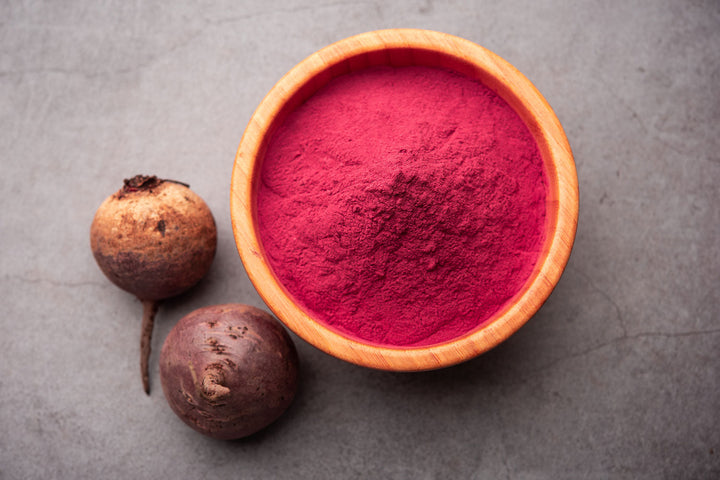
Beetroot provides dietary nitrate plus other plant compounds. The nitrate amount can vary unless a product is standardized or tested for nitrate content.
L-citrulline
L-citrulline is converted to L-arginine in the body and often raises circulating arginine more efficiently than taking arginine itself. It is commonly used before exercise.
L-arginine
Arginine is a direct substrate for nitric oxide synthase. Oral absorption and metabolism vary, and larger doses can cause digestive discomfort.
Botanical and antioxidant support
Some formulas include plant extracts or antioxidants intended to support endothelial function or protect nitric oxide from rapid breakdown. The complete formula and dose are more important than a long ingredient list.
Where a daily formula fits
A supplement can make nitric oxide support convenient when vegetable intake is inconsistent or a person wants targeted workout support. Noophoric Nitric Oxide is formulated to support nitric oxide production, healthy circulation, exercise endurance, and workout performance.* It should be combined with hydration, adequate nutrition, and appropriate training.
For broader support, the Noophoric Men’s Performance Bundle combines Men’s+, Nitric Oxide, and Magnesium Glycinate to support healthy testosterone levels, circulation, workout performance, and recovery.*
Safety and who should ask a clinician first
Possible side effects of nitric oxide support ingredients include nausea, bloating, diarrhea, headache, flushing, lightheadedness, or low blood pressure. Beetroot can turn urine or stool pink or red, which is usually harmless.
Ask a clinician before use if you take nitrates, blood-pressure medication, erectile-dysfunction medication, anticoagulants, or multiple cardiovascular drugs. Extra guidance is also appropriate with kidney disease, recurrent kidney stones, a planned operation, pregnancy, or a history of fainting.
Frequently asked questions
What does nitric oxide do for men?
It supports normal blood-vessel relaxation, circulation, exercise blood flow, and erectile physiology. It also participates in immune and nerve signaling.
How quickly does nitric oxide support work?
Acute exercise and blood-flow effects can occur within hours, depending on the ingredient. Longer-term vascular and performance benefits depend on consistent diet, exercise, and use.
Is beetroot the same as a nitric oxide supplement?
Beetroot is one way to support nitric oxide through dietary nitrate. Other formulas use citrulline, arginine, or additional compounds.
Can nitric oxide support replace blood-pressure medication?
No. Dietary nitrate can complement a healthy routine, but medication should not be stopped or changed without the prescribing clinician.
Does a bigger pump mean more muscle growth?
Not by itself. A pump reflects temporary blood flow and fluid shifts. Long-term growth depends on progressive training, nutrition, and recovery.
Bottom line
Nitric oxide is fundamental to healthy circulation and exercise physiology. Regular activity and nitrate-rich vegetables provide a strong base, while an appropriately formulated supplement can offer convenient, targeted support. Choose transparent products, set realistic expectations, and review medication interactions before combining multiple blood-flow agents.
Further reading
- Beetroot benefits for blood pressure, exercise, and nutrition
- Best supplements for men’s energy and performance
Sources
- NIH Office of Dietary Supplements. Dietary supplements for exercise and athletic performance.
- Beetroot juice and blood pressure in hypertension: systematic review and meta-analysis. 2024.
- Dietary inorganic nitrate and blood pressure during and after exercise: systematic review and meta-analysis. 2024.
- Beetroot juice supplementation and exercise performance review. 2024.
- Beetroot juice, physical performance, and healthy aging: systematic review. 2026.
Evidence reviewed August 2026. This article is educational and is not a substitute for individualized medical diagnosis or treatment. *These statements have not been evaluated by the Food and Drug Administration. Noophoric products are not intended to diagnose, treat, cure, or prevent any disease.

The information on noophoric.com is for informational and educational purposes only and is not intended to be medical advice. Readers should consult with a qualified healthcare professional before making changes to diet, nutrition, supplementation, medication, or lifestyle.