
Getting a Perm: Process, Damage, Aftercare, and Safety

A perm creates longer-lasting curls or waves by changing chemical bonds inside the hair shaft, shaping the hair around rods, and setting those bonds in a new arrangement. The result can add texture and reduce daily styling time, but the chemistry also weakens the fiber and requires careful aftercare.
A successful perm depends on more than curl size. Previous bleach, permanent color, relaxers, keratin services, porosity, strand diameter, and scalp condition all influence whether hair can tolerate the process.
How a perm works
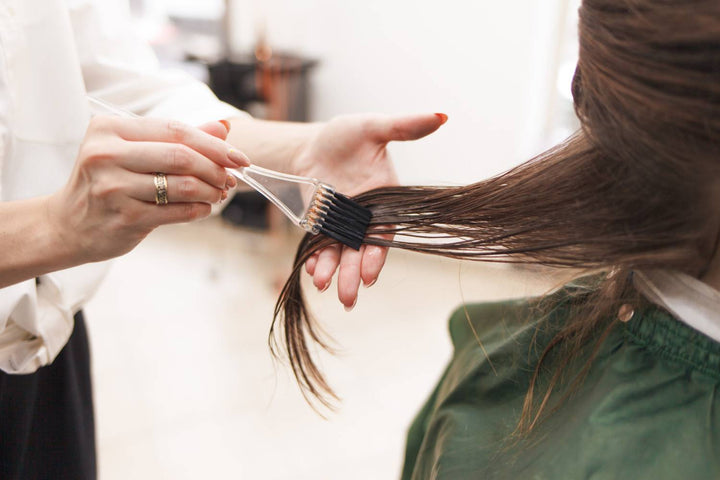
Hair strength and shape are partly maintained by disulfide bonds in keratin. During a traditional permanent wave, a reducing solution breaks some of those bonds. The hair is wrapped around rods to establish a new shape. A neutralizer then oxidizes the hair so bonds form again while the curl is held in place.
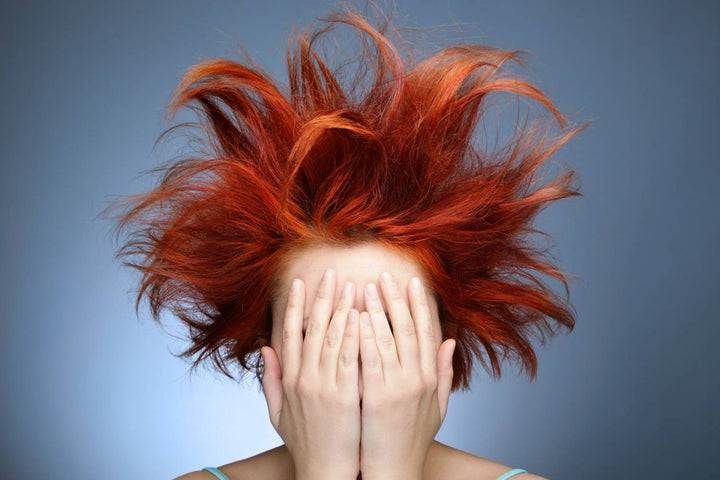
The process also affects cuticle lipids and proteins. That is why permed hair can feel drier, become more porous, and break more easily even when the service looks good initially.
Types of perms
Cold or alkaline perms process without an external heat machine and often create a firmer curl. Acid or acid-balanced perms usually work at a lower pH and may use heat, depending on the formula. Digital perms combine chemicals with heated rods and are designed for a particular wave pattern.
Marketing names such as body wave, spiral perm, root perm, or beach-wave perm describe placement and result more than a universal chemistry. Ask the stylist which formula is being used and why it suits your hair.
Who should postpone or avoid a perm?
- Hair that is heavily bleached, gummy, or breaking when wet
- Hair recently treated with an incompatible relaxer or straightening system
- An inflamed, cut, infected, or severely irritated scalp
- A history of serious reactions to permanent-wave products
- Hair that fails the stylist's elasticity or strand test
Disclose every chemical service, including at-home color and smoothing treatments. A stylist cannot assess compatibility if the history is incomplete. If bleach damage is present, start with our guide to what can and cannot be improved.
Before the appointment
Bring reference photos that show the curl diameter and overall silhouette you want. Discuss how much shrinkage and daily styling you accept. Ask for a strand test if hair is colored or uncertain. Do not scratch or aggressively exfoliate the scalp before the service.
A perm cannot guarantee identical curls across sections with different porosity. It also will not create more follicles or treat thinning. In fact, a very tight curl pattern can make ends look shorter because of shrinkage.
Aftercare
- Follow the stylist's exact waiting period before shampooing or soaking the hair.
- Use a gentle shampoo and a conditioner appropriate for chemically treated hair.
- Detangle with conditioner and work from the ends upward.
- Blot rather than rub with a towel.
- Use low heat and a diffuser when drying.
- Avoid tight styles that pull on fragile sections.
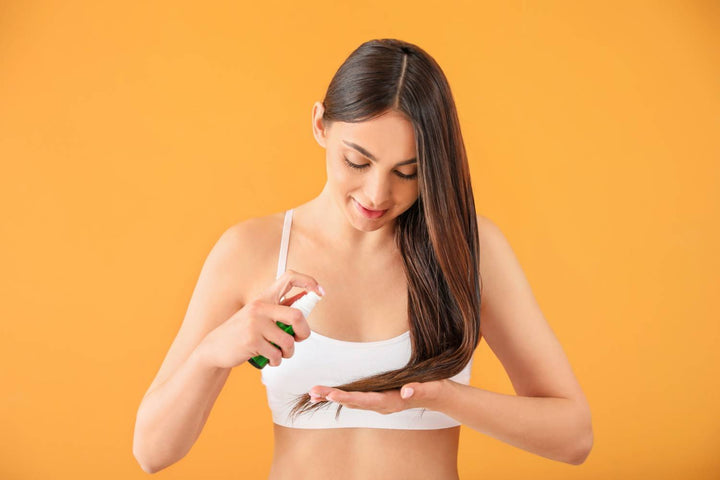
Conditioner can temporarily smooth damaged cuticle areas and reduce combing friction. Read what conditioner does for hair to choose between rinse-out, deep, and leave-in formulas.
How long does a perm last?
The processed section remains chemically altered, but the visible style gradually relaxes as hair is washed, weathered, cut, and replaced by straight or differently textured new growth. Many people return for a new service after several months, but timing should depend on hair condition rather than a fixed calendar.
Can a bad perm be reversed?
Do not immediately stack another chemical service on a disappointing result. Additional reducing, straightening, or bleaching chemistry can increase breakage. Contact the salon, document the condition, and consider a corrective consultation. Conditioning can improve feel, but damaged hair cannot be restored to virgin structure.
Support healthy-looking new hair
A perm changes existing strands. New growth reflects genetics, health, and nutrition. Sudden shedding or bald patches are not normal perm aftercare problems and deserve medical evaluation.
Noophoric Hair+ combines vitamins, minerals, botanicals, and amino acids to support fuller, stronger, healthier-looking hair.
Further reading
Sources
This article is educational and is not a substitute for individualized medical advice.
The information on noophoric.com is for informational and educational purposes only and is not intended to be medical advice. Readers should consult with a qualified healthcare professional before making changes to diet, nutrition, supplementation, medication, or lifestyle.