
How to Get Fluffy Hair: Volume, Texture, and Low-Damage Styling

Fluffy hair is not a single haircut or texture. It is a styling result that combines visible volume, separation between strands, and a soft finish that still moves. The safest way to create it depends on whether your hair is straight, wavy, curly, fine, coarse, or chemically treated.
The key is to build lift without relying on repeated high heat, aggressive teasing, or heavy layers of product. Those shortcuts can create immediate volume, but they also increase tangling, residue, and breakage over time.
What makes hair look fluffy?
Hair appears fuller when the roots do not lie flat and the lengths are not stuck together by oil or excess product. A light shampoo can remove residue at the scalp, while conditioner helps reduce friction through the lengths. Hair that is smooth enough to separate, but not coated with heavy oils, usually holds airy volume more easily.
Your haircut matters too. Strategic layers can reduce weight and create movement, especially in medium or long hair. Very blunt, heavy ends may pull fine hair flatter. A stylist can adjust the shape without removing more density than you want.
A low-damage fluffy hair routine
- Clean the scalp as needed. Apply shampoo mainly to the scalp and let the lather rinse through the lengths. If roots become oily quickly, waiting too long between washes can make volume harder to achieve.
- Condition from the mid-lengths down. Conditioner reduces combing friction and helps limit breakage. Fine hair may need a lightweight rinse-out formula, while coarse or damaged hair may benefit from a richer product.
- Remove water gently. Blot with a microfiber towel or soft cotton shirt. Do not twist, scrub, or pull wet hair, which is more vulnerable to stretching and damage.
- Add a small amount of styling product. A lightweight mousse or root-lifting spray can add hold. Start with less than you think you need and keep rich creams away from the roots.
- Lift at the root. Air-dry with clips at the roots, diffuse curly hair, or blow-dry on low to medium heat while directing the roots away from the scalp. Keep the dryer moving.
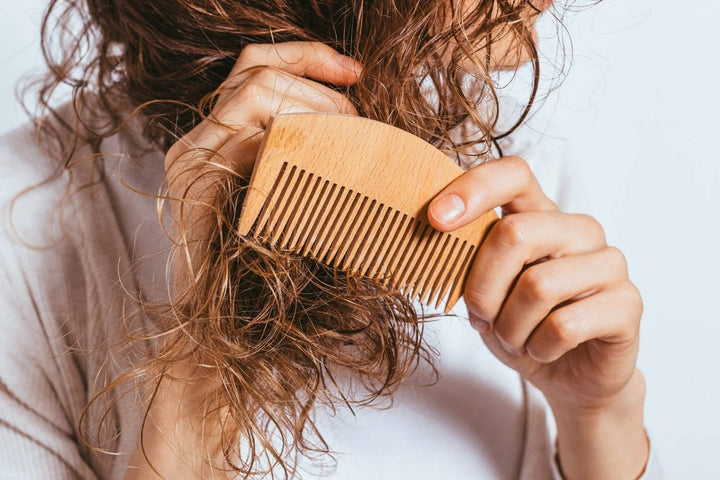
- Finish with your fingers. Once hair is fully dry, separate sections gently. A wide-tooth comb or fingers usually preserves softness better than repeated brushing.
If you use a dryer, a heat protectant can reduce some types of surface damage, but it cannot make unlimited heat harmless. Our guide to preventing heat damage explains why temperature, distance, and exposure time still matter.
How to adapt the method to your texture
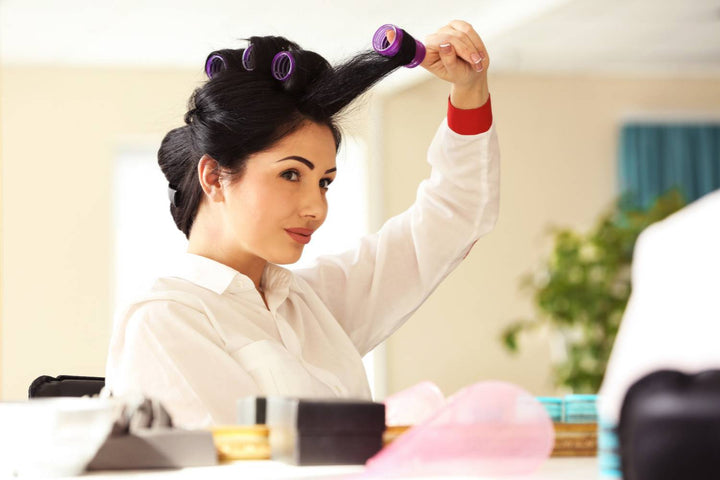
Fine or straight hair: Focus on clean roots, light conditioner, and minimal product. Drying in the opposite direction of your usual part can create temporary lift. Velcro rollers on dry or nearly dry hair can add shape without the direct contact of a hot iron.
Wavy or curly hair: Avoid brushing dry curls if it creates unwanted frizz. Apply a light foam to wet hair, scrunch, and diffuse at low speed. Once dry, gently shake the roots. See our full guide to styling curly hair with less frizz and breakage.
Coarse or dry hair: Do not sacrifice conditioning for volume. Use a moisturizing conditioner on the lengths, then concentrate lifting products at the roots. Controlled volume generally looks healthier than roughness created by dryness.
Common mistakes
- Backcombing the same areas every day
- Applying dry shampoo repeatedly without cleansing the scalp
- Using the hottest dryer or iron setting by default
- Layering mousse, texture spray, wax, and hairspray until hair becomes rigid
- Pulling through knots from the roots instead of detangling from the ends upward
If hair suddenly looks much thinner or your part is widening, styling changes may not be the whole answer. A dermatologist can distinguish breakage from increased shedding or patterned hair loss.
Support hair from the inside
Styling changes the appearance of hair that has already grown. Nutrition supports the follicles producing new hair. A varied diet with adequate protein, iron, zinc, and other micronutrients is the foundation. No supplement can replace diagnosis and treatment of a deficiency or medical cause of hair loss.
Noophoric Hair+ combines vitamins, minerals, botanicals, and amino acids to support fuller, stronger, healthier-looking hair.
Further reading
Related reading
Sources
This article is educational and is not a substitute for individualized medical advice.
The information on noophoric.com is for informational and educational purposes only and is not intended to be medical advice. Readers should consult with a qualified healthcare professional before making changes to diet, nutrition, supplementation, medication, or lifestyle.