
Resveratrol Benefits: What Human Studies Actually Show

Short answer: Resveratrol has produced some favorable changes in human studies, but it is not a proven anti-aging supplement or disease treatment. The strongest recent evidence supports modest, population-specific effects on measures such as blood pressure, total cholesterol and waist circumference. Many other advertised benefits remain uncertain, and clinical trials use doses far higher than a person would obtain from food.
Key takeaways
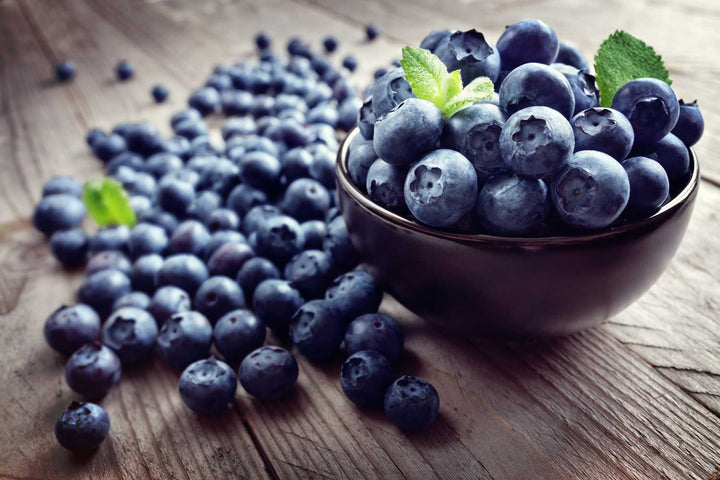
- Resveratrol is a plant compound found in grapes, berries, peanuts and red wine.
- Recent evidence reviews find several small benefits, but the effects depend heavily on the population and outcome.
- There is no good evidence that resveratrol makes humans live longer.
- Supplements should not replace proven treatment for high blood pressure, diabetes, high cholesterol or cognitive decline.
- High-dose resveratrol can cause gastrointestinal side effects and may interact with medicines, particularly those affecting bleeding.
What is resveratrol?
Resveratrol is a polyphenol made by certain plants in response to stress. It exists in several forms; supplements commonly emphasize trans-resveratrol. Laboratory and animal studies have investigated antioxidant, inflammatory and metabolic pathways, but those findings cannot establish a benefit in humans.
Red wine contains some resveratrol, but alcohol is not a sensible way to obtain it. The amount in wine is far below many clinical-trial doses, and alcohol carries independent health risks.
What does the newest evidence show?
A 2026 umbrella review evaluated 45 systematic reviews of randomized trials, covering 129 associations and 68 health outcomes. Four significant findings received high-certainty ratings: a small reduction in waist circumference, lower total cholesterol among adults with overweight, and lower systolic and diastolic blood pressure among people with type 2 diabetes.[1]
The size and scope of those effects matter. A mean waist reduction of less than one centimeter does not make resveratrol a weight-loss treatment. Blood-pressure findings in people with type 2 diabetes should not be generalized to every healthy adult or used to replace prescribed therapy.
A separate 2024 systematic review concluded that, despite extensive research, clinical evidence for resveratrol remained inconclusive across many chronic conditions.[2] Differences in dose, formulation, study length and participant health help explain why headlines can appear contradictory.
Seven popular resveratrol claims, graded by evidence
1. “Supports heart health”
Possible in selected groups, but not a substitute for treatment. Meta-analyses report blood-pressure or lipid changes in some populations. Evidence does not show that resveratrol prevents heart attacks or strokes. For a fuller discussion of lipid risk, see our guide to cholesterol and hormone health.
2. “Improves blood sugar”
Mixed and population-specific. Some reviews find improvements in glucose-related markers, especially among people with type 2 diabetes. That is not evidence to self-treat diabetes, change medication or use resveratrol for prevention.
3. “Promotes weight loss”
At most, a small average effect. The recent umbrella review found a high-certainty reduction in waist circumference, but the average difference was approximately 0.8 cm. Resveratrol is not an established obesity treatment.
4. “Protects the brain”
Promising but unproven. Trials have examined cerebral blood flow, working memory and cognition. Reviews in older adults report possible changes in selected outcomes, yet the data do not show that resveratrol prevents dementia or treats cognitive impairment.[3]
5. “Reduces inflammation”
Some biomarker changes, uncertain clinical meaning. A lower laboratory marker does not necessarily translate into fewer symptoms, better function or reduced disease risk.
6. “Prevents cancer”
Not established. Cell and animal research should not be interpreted as proof that a dietary supplement prevents or treats cancer in people. Anyone receiving cancer treatment should discuss supplements with the oncology team because interactions may matter.
7. “Slows aging and extends life”
Not demonstrated in humans. Resveratrol's effects on pathways related to aging have generated interest, but no clinical trial has shown that taking it extends human lifespan.
Why dosage is difficult to answer
Human trials have used a wide range of doses, formulations and treatment durations. Resveratrol also has limited oral bioavailability because the body rapidly metabolizes it. A dose that changes a biomarker in one study is not automatically the right dose for another goal.
There is no universally accepted evidence-based daily dose for general wellness or longevity. More is not necessarily better, and the long-term safety of high-dose supplementation is uncertain.
Safety and interactions
Short-term studies often report good overall tolerance, but nausea, abdominal discomfort and diarrhea can occur, particularly at higher doses. People who are pregnant or breastfeeding should avoid using a high-dose supplement without medical guidance because safety data are inadequate.
Resveratrol may affect platelet function or drug-metabolizing enzymes. Get professional advice before using it with anticoagulants, antiplatelet medicines, anti-inflammatory drugs or before surgery. People with hormone-sensitive conditions or those receiving cancer treatment should also ask their care team before use.
How to evaluate a supplement
- Look for the amount of resveratrol per serving, not only the weight of a proprietary blend.
- Check whether the label specifies trans-resveratrol.
- Prefer independent testing for identity, potency and contaminants.
- Avoid products promising to reverse aging, prevent cancer or replace medication.
- Review the dose and medication list with a pharmacist or clinician.
Frequently asked questions
Is resveratrol the reason red wine is healthy?
No. Observational findings about wine cannot isolate resveratrol from diet and lifestyle, and alcohol itself carries risks. Drinking wine is not recommended as resveratrol therapy.
Does resveratrol help you live longer?
There is no evidence that resveratrol supplements extend human lifespan.
Can resveratrol replace cholesterol or blood-pressure medicine?
No. Average changes in selected trials are not equivalent to proven cardiovascular treatment, and stopping prescribed medication can be dangerous.
What is the best time to take resveratrol?
Clinical evidence does not establish a universally superior time of day. Follow the specific label and consider whether taking it with food improves tolerance.
The bottom line
Resveratrol is scientifically interesting, and newer evidence supports a few modest effects in specific populations. It has not been shown to prevent chronic disease, reverse aging or extend human life. Evaluate the exact outcome, population and size of effect—not the number of mechanistic claims on a label—before deciding whether a supplement is worthwhile.
Related reading
Sources
- Sun JN, et al. Effects of resveratrol supplementation on multiple health outcomes: an umbrella review of systematic reviews and meta-analyses of randomized controlled trials. Nutrition Journal. 2026.
- Resveratrol for the Management of Human Health: How Far Have We Come? A Systematic Review of Resveratrol Clinical Trials to Highlight Gaps and Opportunities. 2024.
- Yadegar S, et al. Effects and safety of resveratrol supplementation in older adults: a comprehensive systematic review. Phytotherapy Research. 2024.
Evidence reviewed August 2026. This article is educational and is not a substitute for individualized medical diagnosis or treatment.
The information on noophoric.com is for informational and educational purposes only and is not intended to be medical advice. Readers should consult with a qualified healthcare professional before making changes to diet, nutrition, supplementation, medication, or lifestyle.