
Foods for Hair Growth and Thickness: What Nutrition Can Do

The best foods for hair growth supply enough protein and calories plus nutrients such as iron, zinc, vitamin D, selenium, B vitamins, and essential fatty acids. Food supports follicles when intake is adequate, while no single meal can override genetic pattern hair loss or instantly change density.
1. Eggs
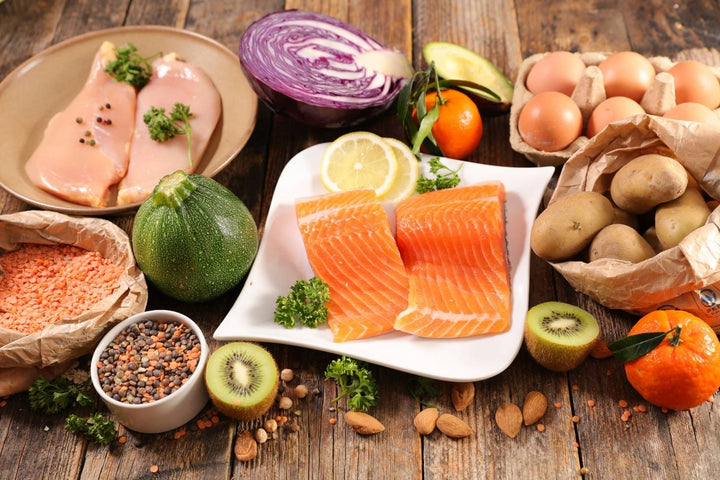
Eggs provide complete protein, choline, selenium, vitamin B12, and biotin. Biotin deficiency can affect hair, but deficiency is rare and very high doses can interfere with important laboratory tests.
2. Salmon and other fatty fish
Salmon, sardines, trout, and mackerel provide protein, omega-3 fats, selenium, and vitamin D. They support overall cardiovascular and metabolic health in addition to hair nutrition.
3. Oysters and shellfish
Oysters are rich in zinc, a mineral required for normal cell division and protein synthesis. Excess supplemental zinc can cause copper deficiency, so food is a useful source.
4. Lean meat and poultry
These foods provide protein, iron, zinc, and vitamin B12. Heme iron from animal foods is absorbed more efficiently than non-heme iron, although plant-based diets can meet needs with planning.
5. Lentils, beans, and tofu
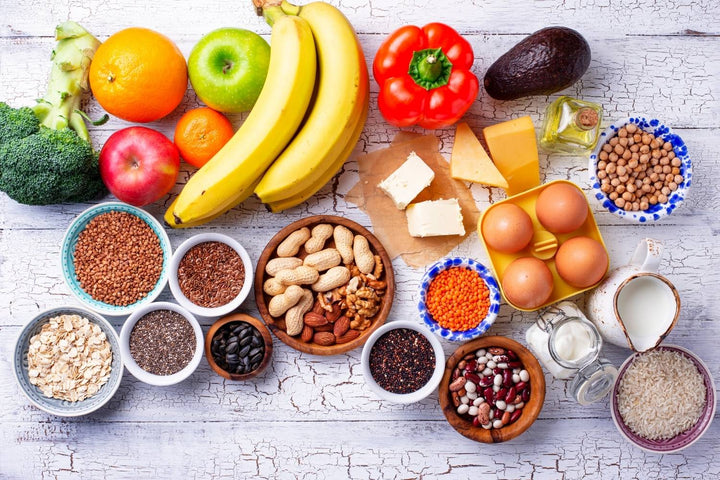
Plant proteins provide iron, zinc, magnesium, folate, and fiber. Pair iron-rich plants with vitamin-C-rich foods such as peppers, citrus, or berries to improve absorption.
6. Greek yogurt and cottage cheese
Dairy foods provide protein and often vitamin D when fortified. They make it easier to distribute protein across the day.
7. Pumpkin seeds and nuts
Pumpkin seeds provide magnesium and zinc. Almonds and walnuts add unsaturated fats, protein, vitamin E, and fiber. Brazil nuts are extremely high in selenium, so portion control matters.
8. Spinach and leafy greens
Leafy greens provide folate, magnesium, carotenoids, and non-heme iron. They support diet quality without functioning as a direct hair-growth treatment.
9. Berries and citrus
Vitamin C supports collagen synthesis and improves non-heme iron absorption. Fruit also provides fiber and polyphenols.
10. Whole grains and potatoes
Carbohydrates help supply the energy needed for growth and training. Oats, quinoa, brown rice, whole-grain bread, and potatoes also provide B vitamins, minerals, and fiber.
Protein matters more than a single “hair food”
Hair is made primarily of keratin. Severe protein or calorie restriction can trigger telogen effluvium, a diffuse shedding that often begins months after the nutritional stress.
Include a protein source at each main meal. Needs vary with body size, activity, age, and health.
Iron and ferritin
Iron deficiency can contribute to hair shedding, especially with heavy menstrual bleeding, pregnancy, restricted diets, gastrointestinal disease, or blood loss. Do not take iron automatically. Excess iron can be harmful, and the correct dose depends on testing and cause.
Vitamin D
Vitamin D receptors are involved in follicle biology, and low vitamin D can accompany several hair-loss conditions. Supplementation is most rational when intake or blood status is low rather than as an unlimited growth strategy.
Zinc and selenium
Both deficiency and excess can be problematic. High-dose zinc can cause copper deficiency, and excess selenium can cause hair loss and brittle nails. Count all supplements and fortified products.
A one-day hair-supportive menu
- Breakfast: eggs, oats, berries, and yogurt
- Lunch: lentil or chicken bowl with spinach, peppers, and whole grains
- Snack: fruit with pumpkin seeds
- Dinner: salmon, potatoes, and colorful vegetables
Adjust portions for calorie and medical needs.
Where Hair+ fits
A comprehensive supplement can make specific nutrients and botanicals easier to use consistently, while complete food remains the foundation.
Noophoric Hair+ combines vitamins, minerals, botanicals, and amino acids, including biotin, zinc, and saw palmetto, to support fuller, stronger, healthier-looking hair.* Review the label before combining it with a multivitamin or separate high-dose nutrients.
When diet is not the whole answer
A receding hairline, widening part, bald patches, scalp pain or scale, and persistent shedding need diagnosis. Pattern loss, alopecia areata, scarring alopecia, thyroid disease, and medication effects require different approaches.
Read our guide to hair-loss treatments by cause.
Frequently asked questions
What is the best food for hair growth?
No single food is best. Adequate protein and calories plus a varied nutrient-dense pattern matter most.
Can diet regrow genetic hair loss?
Diet supports follicles and corrects deficiencies but does not remove inherited DHT sensitivity. Pattern loss often needs direct treatment.
Should everyone take biotin?
No. Deficiency is rare, and high doses can interfere with thyroid, heart, and hormone tests.
How long after improving diet will hair change?
Shedding may take months to improve, and visible density takes longer because hair cycles slowly.
Bottom line
Build hair nutrition around adequate protein and calories, then include iron-, zinc-, vitamin-D-, selenium-, and essential-fat sources. Correct specific deficiencies, avoid megadosing, and pair nutrition with diagnosis and treatment when hair loss is patterned, patchy, inflamed, or persistent.
Further reading
Sources
- NIH Office of Dietary Supplements. Iron fact sheet for health professionals.
- NIH Office of Dietary Supplements. Zinc fact sheet for health professionals.
- NIH Office of Dietary Supplements. Vitamin D fact sheet for health professionals.
- NIH Office of Dietary Supplements. Selenium fact sheet for health professionals.
Evidence reviewed August 2026. This article is educational and is not a substitute for individualized medical diagnosis or treatment. *These statements have not been evaluated by the Food and Drug Administration. Noophoric products are not intended to diagnose, treat, cure, or prevent any disease.
The information on noophoric.com is for informational and educational purposes only and is not intended to be medical advice. Readers should consult with a qualified healthcare professional before making changes to diet, nutrition, supplementation, medication, or lifestyle.