
Hyaluronic Acid for Hair Growth: Does It Work?

Hyaluronic acid is best known as a water-binding ingredient in skin care and joint products. It is now promoted in scalp serums and oral supplements for hair growth. The hydration claim is plausible for skin and the hair surface, but evidence that hyaluronic acid supplementation increases follicle density or treats hair loss is limited.
That distinction matters. Softer hair or a more comfortable dry scalp is not the same outcome as more hairs growing from the scalp.
What is hyaluronic acid?
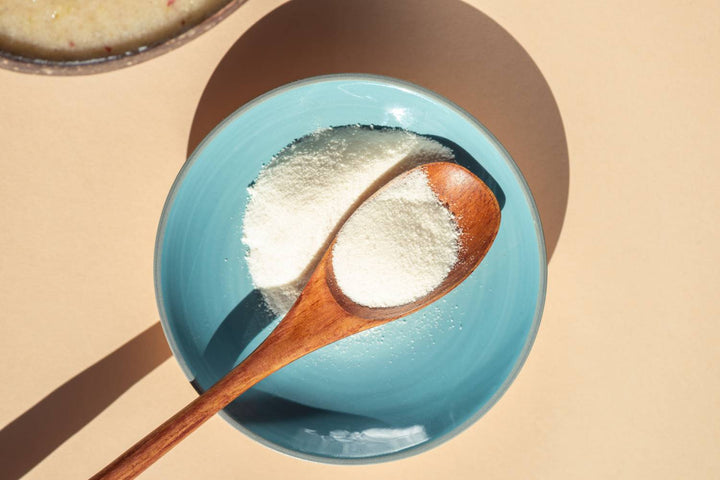
Hyaluronic acid is a glycosaminoglycan naturally present in connective tissues and extracellular matrix. It can bind large amounts of water. Cosmetic formulas use different molecular weights and derivatives because size affects surface feel and penetration.
In hair products, it may function as a humectant and conditioning ingredient. On the scalp, it may support hydration. Our guide to topical hyaluronic acid for hair and scalp explains those cosmetic uses.
Does oral hyaluronic acid grow hair?
There are human studies of oral hyaluronic acid for outcomes such as skin hydration and joint symptoms, but that evidence cannot be assumed to prove hair growth. Hair studies need to measure outcomes such as standardized hair counts, density, shaft diameter, or growth rate in an appropriate controlled trial.
At present, hyaluronic acid is not an established treatment for androgenetic alopecia, alopecia areata, telogen effluvium, or scarring alopecia. A supplement may contain other nutrients or botanicals, making it impossible to attribute any result to hyaluronic acid alone.
What about scalp injections?
Injectable treatments marketed as hair boosters are not equivalent to supplements or topical serums. They may combine non-cross-linked hyaluronic acid with vitamins, peptides, medications, microneedling, or platelet-based procedures. Evidence and regulatory status vary, and injections carry risks such as infection, vascular injury, inflammation, and scarring.
Do not inject a cosmetic product or dietary supplement. Scalp injections should only be discussed with an appropriately licensed clinician who can explain the exact formulation and evidence.
Could hydration reduce breakage?
A well-formulated leave-in containing humectants may improve flexibility and make strands easier to detangle. Lower friction can reduce mechanical breakage, which helps retain length. That is a useful cosmetic benefit, but it does not change the number of follicles or the rate at which each follicle produces hair.
What nutrients actually matter?
Follicles require adequate protein, iron, zinc, essential fatty acids, and vitamins. Deficiencies can contribute to shedding, but taking large doses without a deficiency is not automatically beneficial. Excess vitamin A or selenium can contribute to hair loss, and high-dose biotin can interfere with important laboratory tests.
Review the key vitamins and minerals for healthy hair to understand when supplementation makes sense.
How to evaluate a hyaluronic acid supplement
- Check the exact amount of hyaluronic acid per serving.
- Review every additional active ingredient and its dose.
- Look for independent identity and contaminant testing.
- Avoid products that promise to cure a named hair-loss condition.
- Check for medication, pregnancy, or medical-condition cautions.
- Set a defined evaluation period and objective photos rather than relying on memory.
When to investigate hair loss
See a dermatologist for sudden shedding, patchy loss, scalp pain, scarring, or progressive thinning. The clinician may evaluate pattern hair loss, thyroid disease, iron deficiency, autoimmune disease, medication effects, or recent illness. Delaying diagnosis for an unproven supplement can allow some conditions to progress.
The bottom line
Hyaluronic acid may support hydration in topical hair and scalp products. Oral supplementation has not been shown convincingly to regrow hair or treat common alopecias. Choose it for a realistic hydration goal, not as a substitute for diagnosis or established treatment.
Noophoric Hair+ combines vitamins, minerals, botanicals, and amino acids to support fuller, stronger, healthier-looking hair.
Further reading
Sources
This article is educational and is not a substitute for individualized medical advice.

The information on noophoric.com is for informational and educational purposes only and is not intended to be medical advice. Readers should consult with a qualified healthcare professional before making changes to diet, nutrition, supplementation, medication, or lifestyle.