
Hyaluronic Acid for Hair and Scalp: Hydration Claims and Limits

Hyaluronic acid is a water-binding molecule used in skin care and, increasingly, in scalp serums, shampoos, conditioners, and leave-in hair products. On the hair shaft, it can support a softer, more hydrated feel as part of a well-formulated conditioner. On the scalp, it may help dry skin feel more comfortable. Evidence that topical hyaluronic acid makes follicles grow new hair is not established.
The ingredient may appear as hyaluronic acid, sodium hyaluronate, hydrolyzed hyaluronic acid, or another modified form. Molecular size and the rest of the formula affect how it behaves.
How hyaluronic acid works
Hyaluronic acid is a humectant, meaning it attracts and holds water. In a cosmetic formula, that property can increase surface hydration and improve flexibility. It does not behave like an oil and does not permanently seal the hair cuticle.
On damaged strands, conditioning polymers, oils, silicones, proteins, and humectants often work together. It is rarely possible to credit one ingredient for the entire result of a finished product.
Potential benefits for the scalp
- Supporting surface hydration in a dry-feeling scalp
- Improving comfort when dryness is caused by weather or harsh cleansing
- Providing a lightweight alternative to heavy oils for some users
A hydrating serum is not a treatment for dandruff, psoriasis, seborrheic dermatitis, infection, or allergic contact dermatitis. These conditions may all cause flakes or itching, but the correct treatment differs. If symptoms persist, read how to distinguish an oily scalp and dandruff-related problems from simple dryness, then see a dermatologist if needed.
Potential benefits for hair
Hyaluronic-acid-containing conditioners and leave-ins may make dry hair feel softer and more flexible. Better lubrication can reduce the force needed to detangle, which helps limit mechanical breakage. The effect is temporary and disappears as the product washes away.
Humectants can behave differently in very dry or very humid environments. A product that works well in one climate may create frizz or feel sticky in another. That is a formulation issue, not proof that every form of hyaluronic acid is ineffective.
Does it grow hair?
There is not strong clinical evidence that applying an over-the-counter hyaluronic acid cosmetic alone treats androgenetic alopecia, alopecia areata, or other common causes of hair loss. Hydrating the scalp can improve comfort and the appearance of dryness, but follicle growth is a different outcome.
Do not confuse topical cosmetics with injectable procedures marketed as scalp boosters. Injections have different risks and should only be performed by properly licensed medical professionals using appropriate products. A cosmetic serum should never be injected.
How to use it
- Patch test a new scalp product if you have sensitive skin.
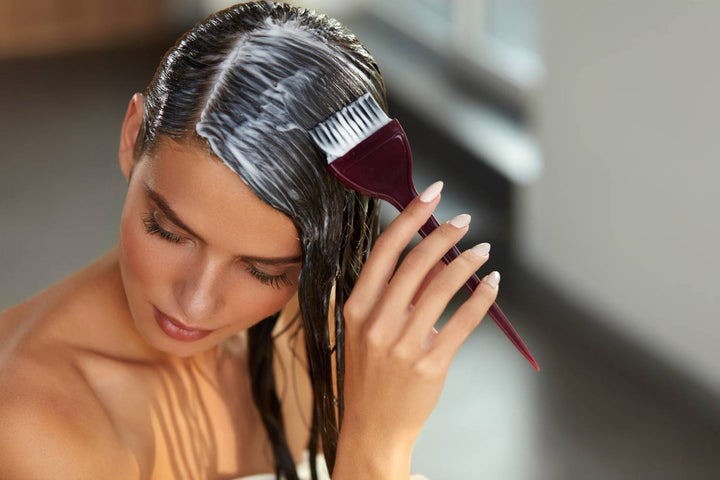
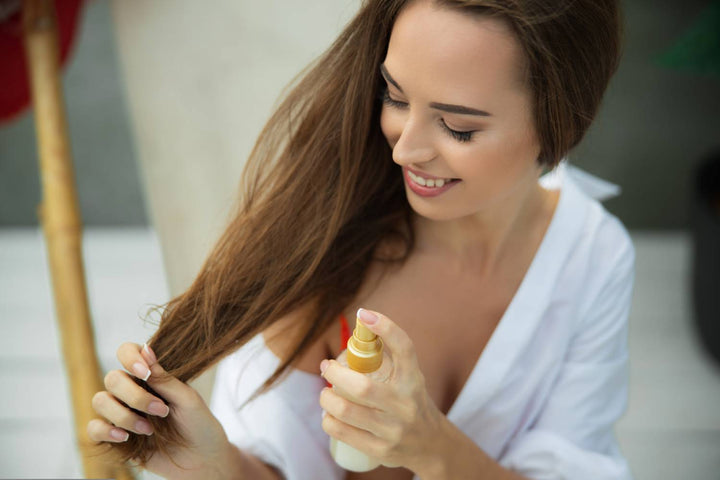
- Apply a few drops to a clean, slightly damp scalp or hair as the label directs.
- Follow with conditioner or a light emollient if the hair still feels dry.
- Start several times a week rather than layering large amounts every day.
- Stop if burning, rash, or worsening flakes appear.
For the lengths, it is often simplest to choose a conditioner containing hyaluronic acid instead of using a separate skin serum. Our guide to what conditioner does for hair explains why reducing friction matters more than chasing a single trending ingredient.
Who should be cautious?
Hyaluronic acid itself is generally well tolerated, but finished products contain preservatives, fragrance, solvents, and other ingredients that can irritate or cause allergy. Avoid applying to broken or infected skin unless directed by a clinician. Seek care for swelling, hives, or breathing difficulty.
What to expect
Expect a cosmetic hydration effect, not a permanent change in hair structure or density. If your scalp feels better and hair detangles more easily, the product may be useful. If shedding, widening part, or patchy loss is the concern, prioritize diagnosis.
Noophoric Hair+ combines vitamins, minerals, botanicals, and amino acids to support fuller, stronger, healthier-looking hair.
Further reading
Related reading
- Yogurt for Hair and Scalp: Benefits, Limits, and Safer Use
- Hyaluronic Acid for Hair Growth: Does It Work?
Sources
This article is educational and is not a substitute for individualized medical advice.
The information on noophoric.com is for informational and educational purposes only and is not intended to be medical advice. Readers should consult with a qualified healthcare professional before making changes to diet, nutrition, supplementation, medication, or lifestyle.