
Hair Falling Out: Shedding, Breakage, Patterns, and What to Do

Hair can appear to be falling out because of normal shedding, excessive shedding from the root, breakage along the shaft, or a condition that gradually stops follicles from producing full-size hairs. The pattern, timing, strand appearance, and scalp symptoms help separate these causes.
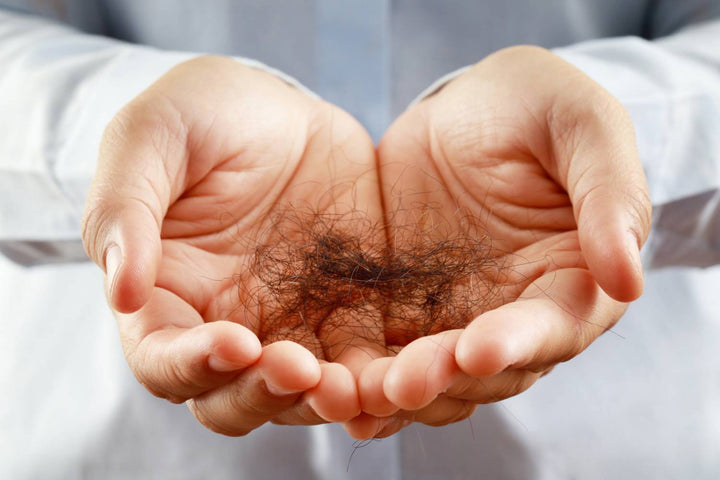
Normal shedding is often about 50 to 100 hairs per day, but wash frequency, hair length, and curl pattern make the visible amount vary. A sudden change from your own baseline matters more than counting every strand.
Shedding, breakage, and hair loss
Excessive shedding
Telogen effluvium occurs when more follicles than usual enter the resting phase and release hairs. The shedding is often diffuse and begins two to three months after a trigger.
Breakage
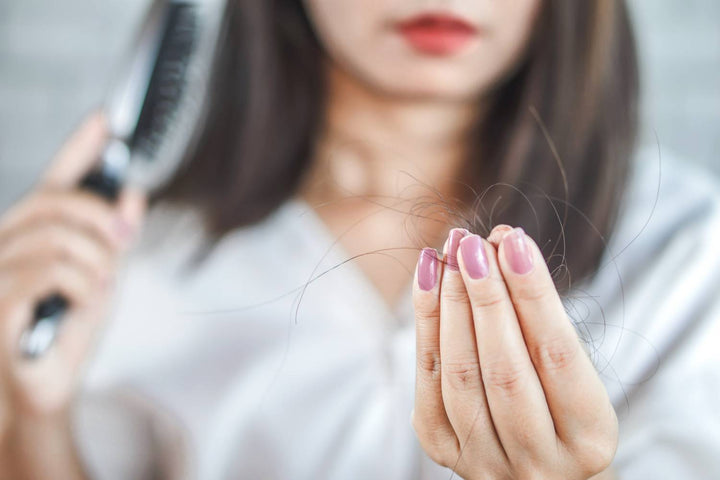
Broken hairs are shorter, lack a root bulb, and may have frayed ends. Heat, bleach, tension, rough detangling, and friction are common causes.
Progressive hair loss
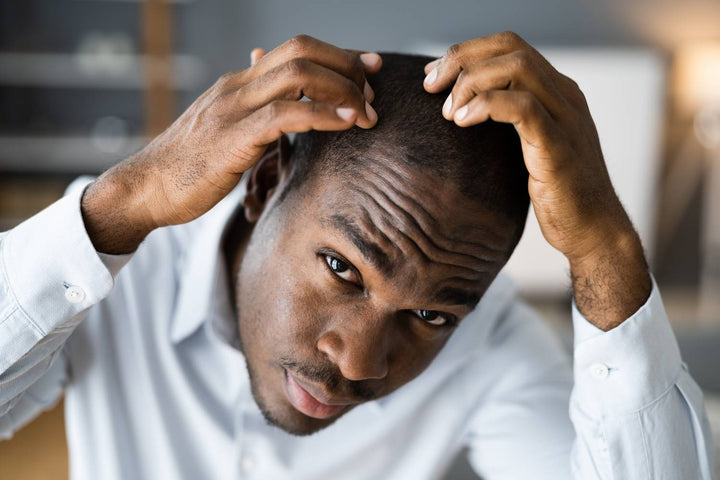
Pattern hair loss gradually miniaturizes follicles. Men often notice recession or a crown spot, while women often notice a widening part and reduced ponytail density.
Patchy or inflammatory loss
Smooth round patches can occur with alopecia areata. Scale, pain, pustules, crust, or scarring can point to infection or inflammatory disease and deserves prompt evaluation.
Common triggers of sudden shedding
The American Academy of Dermatology lists several common events that can trigger excessive shedding:
- Childbirth
- High fever or major illness
- Surgery
- Rapid or substantial weight loss
- Major psychological stress
- Stopping certain hormonal medications
- Severe calorie or protein restriction
The delay between trigger and shedding can make the connection easy to miss. Shedding often peaks months after the event.
Nutritional and medical causes
Iron deficiency, thyroid disease, zinc deficiency, vitamin D deficiency, autoimmune disease, medication, hormonal changes, and chronic illness can contribute in the right context. Hair loss is not specific enough to identify which one.
Blood testing should be guided by history and examination. Large supplement panels are not automatically better, and high-dose nutrients can create new problems.
Medication-related hair loss
Some medications can cause shedding or affect growth. Do not stop a prescription suddenly. Ask the prescriber whether the timing fits and whether an alternative or dose adjustment is appropriate.
How to examine the pattern at home
- Photograph the part, temples, hairline, and crown in the same lighting monthly.
- Look for full-length hairs versus short broken pieces.
- Note itching, burning, pain, scale, sores, or pustules.
- Review illness, surgery, childbirth, weight loss, and stress from the prior three to four months.
- List medications and supplements started or stopped.
- Track whether loss is diffuse, patterned, or patchy.
What to do first
Use gentle care
Choose a gentle shampoo, condition every wash, use leave-in conditioner or detangler, blot with a soft towel, reduce high heat, and loosen tight styles. These steps protect fragile hair while the cause is investigated.
Restore adequate nutrition
Eat enough calories and protein. Include iron-, zinc-, vitamin-D-, and magnesium-rich foods. If rapid weight loss triggered shedding, a more sustainable plan may prevent ongoing stress.
Address the trigger
Telogen effluvium often improves after the trigger resolves. The follicle still needs time to cycle back into growth, so density recovery can lag behind the end of shedding.
Where Hair+ fits
A comprehensive hair supplement can support nutrient adequacy and provide botanical and amino-acid support while you protect the hair and address the cause. It should not delay treatment for inflammatory, scarring, patchy, or progressive loss.
Noophoric Hair+ combines vitamins, minerals, botanicals, and amino acids, including biotin, zinc, and saw palmetto, to support fuller, stronger, healthier-looking hair.*
Evidence-based treatment depends on the cause
- Pattern hair loss: topical minoxidil and prescription options can help selected men and women.
- Telogen effluvium: remove the trigger and correct deficiencies; medication is not always needed.
- Alopecia areata: corticosteroids and newer immune-directed treatments may be used.
- Traction alopecia: stop tension early before scarring becomes permanent.
- Infection or inflammatory disease: treat the specific scalp condition.
Our article on hair-loss treatments by cause explains the major options.
When to see a dermatologist
Seek evaluation for rapid loss, bald patches, a receding hairline or widening part, scalp pain or burning, thick scale, pus, scarring, eyebrow or body-hair loss, or shedding that continues beyond several months. Early treatment improves the chance of preserving follicles in many conditions.
Frequently asked questions
How much shedding is normal?
About 50 to 100 hairs per day is often cited, but individual baseline and wash schedule matter. A sustained visible increase is more useful than a single count.
Why did shedding start months after illness?
Follicles shifted into the resting phase during the trigger and released hairs later. This delay is typical of telogen effluvium.
Can shedding and pattern loss happen together?
Yes. A sudden shed can reveal underlying miniaturization that was previously less noticeable.
Will the hair grow back?
Many shedding triggers are reversible, while pattern and scarring conditions need treatment. The diagnosis determines the outlook.
Bottom line
“Hair falling out” can mean shedding, breakage, or progressive follicle loss. Identify the pattern, review triggers from the previous months, protect fragile strands, restore adequate nutrition, and seek a dermatologist when loss is patchy, inflamed, patterned, severe, or persistent.
Further reading
Sources
- American Academy of Dermatology. Hair loss versus hair shedding.
- American Academy of Dermatology. Hair-loss diagnosis and treatment.
Evidence reviewed August 2026. This article is educational and is not a substitute for individualized medical diagnosis or treatment. *These statements have not been evaluated by the Food and Drug Administration. Noophoric products are not intended to diagnose, treat, cure, or prevent any disease.
The information on noophoric.com is for informational and educational purposes only and is not intended to be medical advice. Readers should consult with a qualified healthcare professional before making changes to diet, nutrition, supplementation, medication, or lifestyle.