
Best Foods for Healthy Hair Growth: A Practical Guide

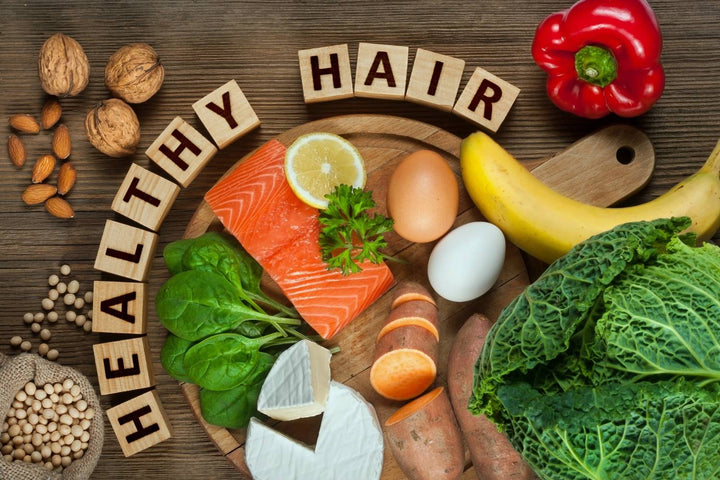
The best foods for healthy hair growth are not exotic. Follicles need adequate calories, protein, iron, zinc, essential fats, and vitamins. The strongest strategy is a varied eating pattern that prevents deficiencies while supporting overall health.
No food can override genetics, hormones, autoimmune disease, medication effects, or scarring alopecia. Nutrition matters most when intake is inadequate or a deficiency is present.
Protein foods
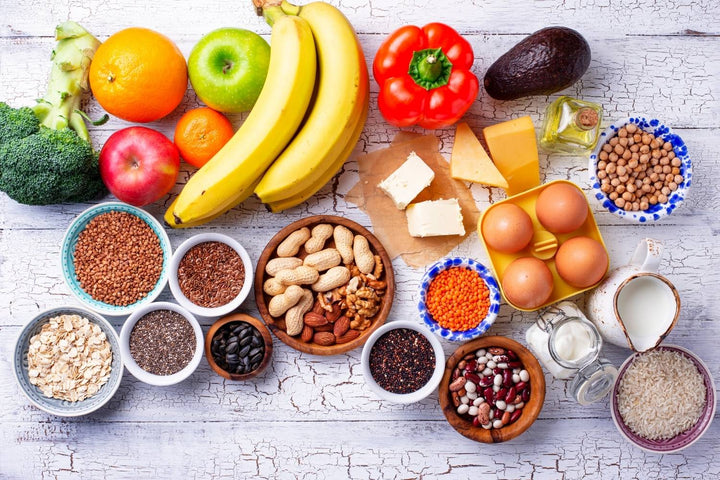
Hair fibers are made primarily of keratin, a protein. Severe protein or calorie restriction can shift follicles into a resting phase and increase shedding. Include protein at meals from eggs, fish, poultry, dairy, soy, beans, lentils, nuts, seeds, or other sources that fit your diet.
Protein needs vary by body size, activity, age, pregnancy, and medical conditions. A registered dietitian can personalize intake.
Iron-rich foods
Iron deficiency is associated with hair shedding in some people. Heme iron from meat and seafood is generally absorbed more efficiently. Plant sources include lentils, beans, tofu, fortified cereals, pumpkin seeds, and leafy greens. Vitamin C-rich foods can improve absorption of non-heme iron.
Do not take high-dose iron without a reason. Testing and a clinician's guidance are safer because iron causes side effects and overdose can be dangerous.
Zinc sources
Oysters, meat, dairy, beans, nuts, and fortified foods provide zinc. Deficiency can affect hair and skin, but chronic high-dose zinc can cause copper deficiency and other problems. Food-first intake is usually easier to keep balanced.
Essential fats and omega-3s
Fatty fish such as salmon, sardines, trout, and herring provide EPA and DHA. Chia, flax, walnuts, and canola oil provide ALA, which the body converts inefficiently to EPA and DHA. Fat also helps absorb vitamins A, D, E, and K.
Eggs
Eggs provide protein, choline, selenium, and biotin. Biotin deficiency is uncommon, so eating eggs supports a balanced diet rather than acting as a special hair-growth treatment. Cook egg whites because large amounts of raw egg white contain avidin, which binds biotin.
Beans and lentils
Legumes provide protein, iron, zinc, folate, and fiber. Pair them with peppers, citrus, tomatoes, or another vitamin C source to support non-heme iron absorption. Canned beans are convenient and can be rinsed to reduce sodium.
Colorful vegetables and fruit
Leafy greens, peppers, tomatoes, berries, citrus, carrots, and sweet potatoes contribute vitamin C, carotenoids, folate, and polyphenols. Variety matters more than a single antioxidant food.
Nuts, seeds, and avocado
These foods provide unsaturated fats, vitamin E, minerals, and energy. Portions are useful because they are calorie-dense. Chia and flax add fiber and ALA. Review the nutritional role of avocados without the superfood myths.
Foods and patterns that can work against hair goals
- Very low-calorie diets and rapid weight loss
- Restrictive plans that remove entire food groups without replacement
- High-dose supplement combinations that exceed safe upper limits
- Frequent reliance on ultra-processed foods with little protein or micronutrient variety
- Large fish high in mercury eaten more often than recommended
There is no need to avoid sugar, dairy, gluten, or seed oils for hair unless a diagnosed condition or individualized plan requires it.
A simple day of hair-supportive meals
Breakfast might include eggs or fortified oatmeal with berries. Lunch could combine salmon or tofu, whole grains, vegetables, and avocado. Dinner might include lentils or lean meat with greens and peppers. Yogurt, fruit, nuts, or hummus can fill gaps based on appetite and goals.
When to consider supplements
Supplements can help fill a dietary gap or address a confirmed deficiency. They do not replace adequate calories and protein. High-dose biotin can interfere with laboratory tests, and excess vitamin A or selenium can contribute to hair loss.
Read our evidence-based overview of the best vitamins and minerals for hair.
When diet is not the cause
See a dermatologist for patchy loss, scarring, scalp pain, rapid shedding, or a progressively widening part. Medical conditions need diagnosis and targeted treatment even when diet is excellent.
Noophoric Hair+ combines vitamins, minerals, botanicals, and amino acids to support fuller, stronger, healthier-looking hair.
Further reading
Sources
This article is educational and is not a substitute for individualized medical advice.
The information on noophoric.com is for informational and educational purposes only and is not intended to be medical advice. Readers should consult with a qualified healthcare professional before making changes to diet, nutrition, supplementation, medication, or lifestyle.