
Prenatal Vitamins and Hair Growth: When They Are Appropriate

Prenatal vitamins are designed to help meet nutrient needs before and during pregnancy. They are not general hair-growth supplements. Taking one when you are not pregnant does not guarantee thicker or faster-growing hair, and some nutrients can be excessive when combined with other supplements.
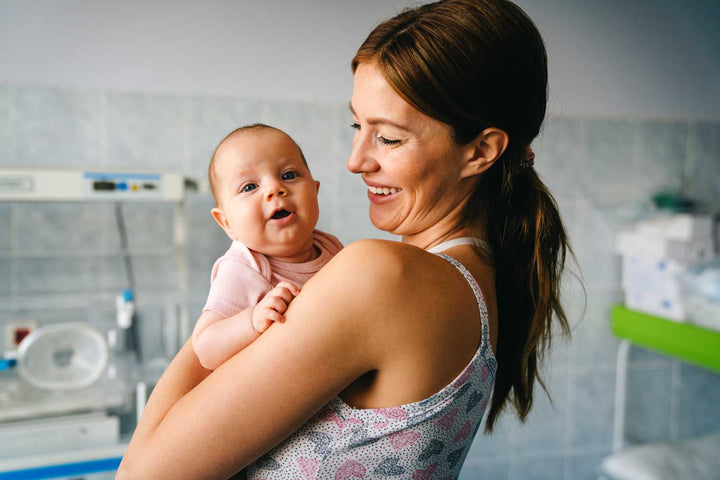
Pregnancy itself often changes the hair cycle, making hair appear fuller. After delivery, many people experience temporary shedding as follicles return to their usual cycle. The prenatal vitamin is not the main reason for either change.
What prenatal vitamins contain
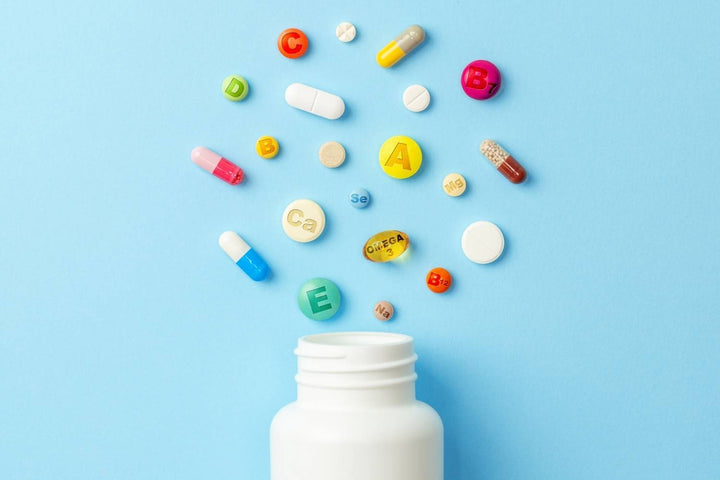
Formulas vary but commonly include folic acid or folate, iron, iodine, vitamin D, vitamin B12, and other vitamins and minerals. Some include choline or omega-3 fatty acids. The dose should support pregnancy needs, not maximize the number of ingredients on the label.
The American College of Obstetricians and Gynecologists recommends a prenatal vitamin as part of healthy eating during pregnancy. Your obstetric clinician may adjust nutrients based on diet, lab results, medical history, and pregnancy risks.
Can a prenatal vitamin grow hair?
If someone has iron deficiency, inadequate protein intake, or another nutrient shortfall affecting hair, correcting it can support normal growth. A prenatal may contain some of those nutrients, but it is not the most precise way to diagnose or treat a deficiency.
For a person with adequate nutrition and no deficiency, taking extra folate or iron has not been shown to make follicles exceed their normal biological growth rate. Better results reported during pregnancy are often related to hormonal changes in the hair cycle.
Why not take one “just in case”?
Iron can cause constipation, nausea, and abdominal discomfort and can be dangerous in overdose. Too much preformed vitamin A can be harmful, particularly in pregnancy. Excess iodine may affect thyroid function. Doubling a prenatal with a multivitamin or hair supplement can push totals higher than intended.
ACOG cautions that doubling or tripling some multivitamin ingredients, including vitamin A, can cause birth defects. Review every supplement with a prenatal healthcare professional.
Biotin is not the whole story
Biotin deficiency can affect hair, but true deficiency is uncommon. High-dose biotin can interfere with laboratory tests, including some tests used for thyroid function and heart injury. Tell clinicians and laboratories about all supplements before testing.
Read our review of vitamins and minerals that support healthy hair to understand why deficiency context matters.
Postpartum shedding
Postpartum telogen effluvium often becomes noticeable several months after delivery. It is usually temporary, but the amount can feel dramatic. Continue nutrition and medical care as directed, handle hair gently, and seek evaluation if shedding is patchy, painful, or does not improve over time.
Our guide to postpartum hair loss and recovery explains what is normal and when to get help.
Who should use a prenatal vitamin?
People who are pregnant, trying to conceive, or advised by a healthcare professional should use the product and dose recommended for their situation. Some should begin folic acid before conception. Medical conditions, bariatric surgery, vegan diets, anemia, thyroid disease, and multiple pregnancy may change the plan.
How to choose one
- Ask your obstetric clinician which nutrients and amounts you need.
- Check the complete Supplement Facts panel.
- Account for other multivitamins, fortified foods, and individual nutrients.
- Look for independent identity and contaminant testing.
- Choose a form you can tolerate consistently.
Hair loss during pregnancy
Do not assume every change is cosmetic. Severe vomiting, thyroid disease, iron deficiency, autoimmune illness, medication changes, and scalp conditions can contribute to loss. Treatments considered safe outside pregnancy may not be appropriate during pregnancy or breastfeeding, so seek individualized advice.
The bottom line
Use prenatal vitamins for pregnancy-related nutritional support, not as a beauty shortcut. If hair loss is the concern and pregnancy is not relevant, identify the cause and choose a supplement only when the formulation fits your actual needs.
Noophoric Hair+ combines vitamins, minerals, botanicals, and amino acids to support fuller, stronger, healthier-looking hair. Consult a healthcare professional before use during pregnancy or breastfeeding.
Further reading
Sources
This article is educational and is not a substitute for individualized medical advice.

The information on noophoric.com is for informational and educational purposes only and is not intended to be medical advice. Readers should consult with a qualified healthcare professional before making changes to diet, nutrition, supplementation, medication, or lifestyle.