
Coconut Oil for Hair: Benefits, Limits, and How to Use It

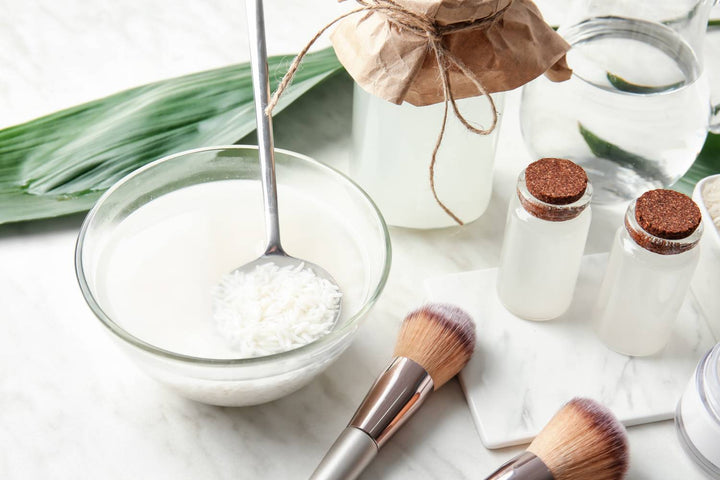
Coconut oil is one of the better-studied hair oils. Its lauric acid content and molecular structure allow some penetration into the hair shaft, and research shows it can reduce protein loss when used before or after washing. It still does not regrow follicles or permanently repair split ends.
Results depend on texture, porosity, dose, and temperature. Coconut oil can make some hair softer and other hair stiff or greasy.
How coconut oil helps
Coconut oil can reduce water swelling and protein loss from hair fibers. A thin film also lowers friction and improves detangling. These effects can reduce mechanical breakage and improve length retention.
Who may benefit?
- Dry, porous, bleached, or weathered hair
- Coarse, curly, or coily hair that tolerates richer oils
- Long hair with fragile ends
- Swimmers using it as a pre-wash barrier
Fine or low-porosity hair may become stiff, flat, or coated. Start with a tiny amount.
Pre-shampoo method
- Warm a small amount between the palms until liquid.
- Apply to the mid-lengths and ends, not an oily scalp.
- Leave it on for 20 to 60 minutes.
- Shampoo thoroughly and condition.
- Reduce the dose if a second shampoo is always required.
Post-wash method
Use a fraction of a teaspoon on damp or dry ends. Coconut oil becomes solid in cooler rooms, so too much may feel waxy. A cosmetic serum may spread more evenly than kitchen oil.
Does coconut oil grow hair?
There are not strong clinical trials showing that topical coconut oil treats pattern hair loss or alopecia areata. Reducing breakage can help retain length, but follicle growth and shaft preservation are different outcomes.
Read how fast hair grows to set realistic expectations.
Coconut oil and dandruff
Oil is not a substitute for antifungal or anti-inflammatory dandruff treatment. Heavy scalp application can increase residue and make medicated shampoo harder to distribute. Stop if itching or scale worsens.
Can it repair bleach damage?
It may reduce protein loss and improve feel, but it cannot restore hair to virgin structure. Combine it with conditioner, lower heat, gentle detangling, and trims. Review what bleached hair damage can recover from.
Coconut oil versus other oils
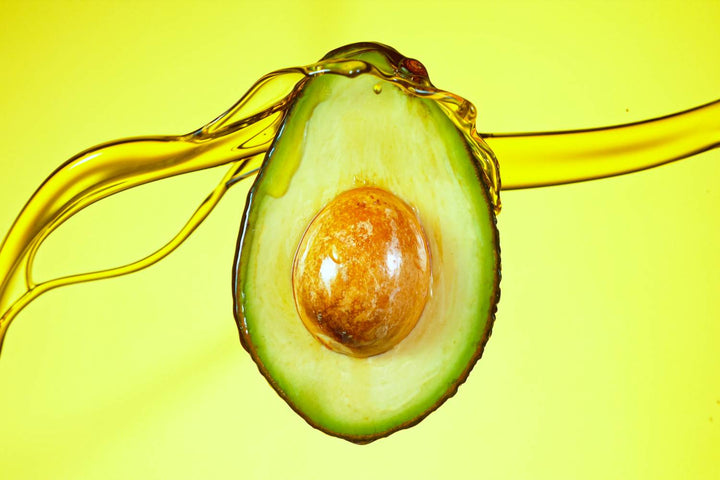
Olive and avocado oils provide rich surface lubrication. Grapeseed, maracuja, and jojoba often feel lighter. Coconut oil has stronger evidence for reducing protein loss, but that does not make it the best cosmetic choice for every texture.
Allergy and skin safety
Coconut allergy is uncommon but possible. Patch test before scalp use and avoid fragranced blends if sensitive. Do not apply to infected or broken skin. Stop for hives, swelling, or burning.
Buildup signs
Stiffness, stringy sections, dullness, and slow wetting suggest too much. Shampoo adequately and pause use. Do not respond to coconut-oil buildup with more masks and oils.
How often?
Use once weekly or less as a starting point. Some hair tolerates pre-wash use each wash, while other hair needs only occasional treatment. The goal is easier detangling without extra cleansing effort.
A practical four-week test
Use the same shampoo, conditioner, and styling method for four weeks so you can judge the oil rather than an entirely new routine. Apply a small amount to one side of the hair before washing and leave the other side untreated. Compare tangling, softness, shine, and the amount of shampoo needed. If the treated side feels stiff, greasy, or harder to style, reduce the dose or stop.
This simple split test is especially helpful for fine, low-density, or low-porosity hair, where a few extra drops can change the result. Coconut oil is a tool, not a required step. The best routine is the one that protects the fiber without creating buildup.
Noophoric Hair+ combines vitamins, minerals, botanicals, and amino acids to support fuller, stronger, healthier-looking hair.
Further reading
Sources
This article is educational and is not a substitute for individualized medical advice.
The information on noophoric.com is for informational and educational purposes only and is not intended to be medical advice. Readers should consult with a qualified healthcare professional before making changes to diet, nutrition, supplementation, medication, or lifestyle.