
Cornstarch for Hair: Dry Shampoo Effects, Residue, and Safety

Cornstarch can absorb oil and make roots look fresher, but it does not clean the scalp or stimulate hair growth. Homemade dry-shampoo powders can clump, leave visible residue, support odor-producing microbes, irritate the scalp, and increase breakage if gritty hair is brushed aggressively.
Why cornstarch is used on hair
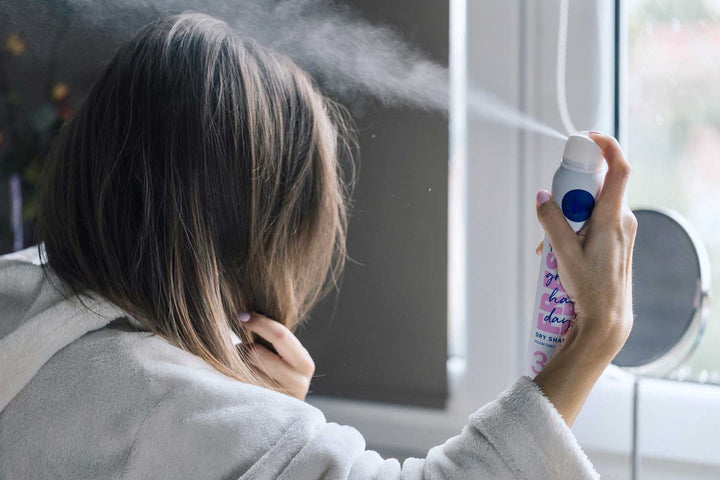
Cornstarch is a fine carbohydrate powder that absorbs some surface oil. People dust it onto greasy roots as an inexpensive dry-shampoo substitute. It may also add temporary texture and reduce shine.
Those are cosmetic effects. Cornstarch does not remove sweat, dead skin, microorganisms, pollutants, or styling residue. It cannot replace shampoo and water.
Does cornstarch help hair grow?
There are no strong human trials showing that cornstarch applied to the scalp increases hair density, extends the growth phase, or treats genetic hair loss. The starch sits mainly on the surface and does not supply follicles with the protein, iron, zinc, or other nutrients used to produce hair.
If you are concerned about declining density, review the difference between shedding, breakage, and patterned hair loss instead of assuming a powder will address the cause.
Residue, clumping, and odor
Kitchen cornstarch is not designed as a leave-on cosmetic. It can clump when mixed with sweat or oil, leaving pale patches and a gritty texture. The American Academy of Dermatology notes that bacteria can digest cornstarch, potentially contributing to an unpleasant odor.
Commercial dry shampoos use controlled particle sizes, preservatives, pigments, flow agents, and packaging to improve application and stability. That does not make every commercial product ideal, but it makes the formula more predictable than a jar of food starch.
Can cornstarch damage hair?
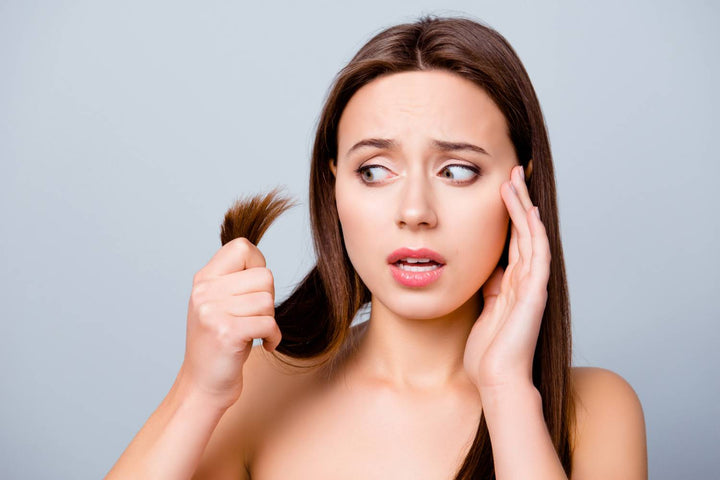
One light application is unlikely to permanently damage healthy hair. Problems can develop when heavy residue makes strands stiff or tangled and the user brushes forcefully. Friction can snap fine, bleached, chemically treated, curly, or tightly coiled hair.
Our guide to hair breakage prevention explains how conditioning and low-friction handling protect length.
Scalp irritation
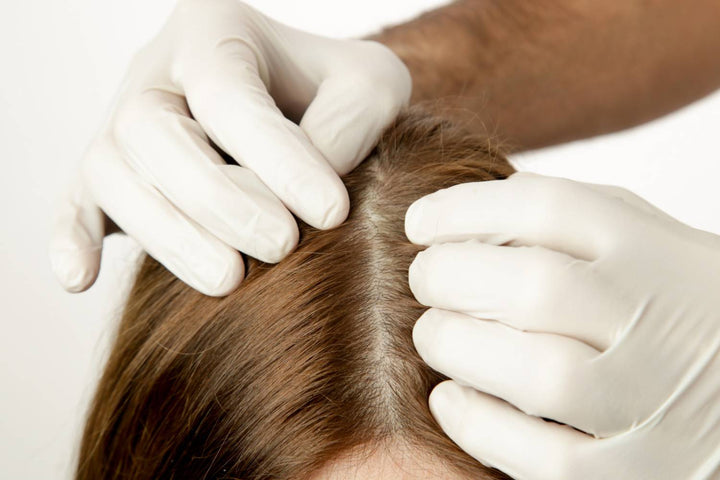
Powder can worsen itching or tenderness when it remains on an oily or inflamed scalp. Avoid it on open sores, folliculitis, psoriasis, eczema, or an active dandruff flare. Stop if you develop burning, rash, swelling, or persistent scale.
Be careful not to inhale airborne powder or get it in the eyes. Apply away from the face and avoid creating a cloud.
What about cocoa powder or baking soda?
Cocoa is sometimes added to darken cornstarch, but it introduces fragrance, color transfer, and more food material. Baking soda is alkaline and may increase hair-shaft friction, dryness, and irritation. Neither addition turns a kitchen mixture into a balanced cleanser.
If you still want to try it
- Use a very small amount on dry, intact skin.
- Apply only to visibly oily roots.
- Keep the powder away from the eyes, nose, and mouth.
- Let it absorb briefly, then distribute gently without aggressive brushing.
- Wash with shampoo and water rather than layering it for several days.
- Stop for itching, burning, odor, or increased breakage.
A better option for oily roots
Use a store-bought dry shampoo occasionally and continue regular cleansing. The AAD recommends washing with shampoo and water after one or two dry-shampoo uses. Our full guide to dry-shampoo safety covers buildup, inhalation, and washing frequency.
Support hair more completely
Oil control and nutrition serve different purposes. Noophoric Hair+ combines vitamins, minerals, botanicals, and amino acids to support fuller, stronger, healthier-looking hair as part of a complete routine.*
Frequently asked questions
Can cornstarch lighten or discolor hair?
White powder can leave an ashy cast on dark hair and collect around the part. It usually washes out, but heavy residue may require a thorough shampoo. Adding cocoa creates its own transfer and contamination concerns.
Can I sleep with cornstarch in my hair?
Leaving powder overnight increases contact time, transfer to bedding, and the chance of residue mixing with sweat and oil. Apply only when needed and wash it out rather than repeatedly layering it.
Bottom line
Cornstarch can absorb visible oil, but it neither cleans the scalp nor grows hair. Residue, odor, inhalation, irritation, and friction make frequent homemade use a poor substitute for formulated dry shampoo and regular washing.
Further reading
Sources
- American Academy of Dermatology. Dry shampoo: dermatologists' tips for getting your best results. 2024.
- Hair cosmetics: an overview. 2015.
Evidence reviewed August 2026. This article is educational and is not a substitute for individualized medical diagnosis or treatment. *These statements have not been evaluated by the Food and Drug Administration. Noophoric products are not intended to diagnose, treat, cure, or prevent any disease.
The information on noophoric.com is for informational and educational purposes only and is not intended to be medical advice. Readers should consult with a qualified healthcare professional before making changes to diet, nutrition, supplementation, medication, or lifestyle.