
Aging Hair: Gray Color, Texture, Density, and Practical Care

Hair aging includes more than gray color. Strands can become finer, drier, less shiny, more fragile, slower growing, or lower in density as follicles, pigment cells, scalp skin, hormones, and cumulative damage change over time. Genetics determines much of the timing, while health, styling, ultraviolet exposure, smoking, nutrition, and hair-loss conditions influence the result.
Why hair turns gray
Hair color comes from melanocytes that deliver pigment during the growth phase. With age, pigment-producing cells and their stem-cell support decline. Oxidative stress and genetic factors also contribute.
No vitamin or shampoo has been proven to reliably restore age-related gray hair. A sudden or very early change can be discussed with a clinician, but most graying is a normal inherited process.
Why hair becomes finer or less dense
Follicle size, growth-cycle duration, and the number of actively growing hairs can change with age. Pattern hair loss also becomes more common and can overlap with broader age-related thinning.
Men often notice frontotemporal recession or crown loss. Women often notice a widening part and diffuse central thinning, particularly around and after menopause. A 2026 expert consensus describes hair aging as both quantitative and qualitative, involving pigmentation, fiber quality, and follicle miniaturization.
Why texture changes
Gray fibers can feel different because pigment and structural changes affect how they reflect light and respond to products. Sebum production can decline, leaving the scalp and shaft drier. Years of heat, color, ultraviolet exposure, and friction accumulate along the length.
Some people notice more wave or curl, while others lose curl definition. A change is not automatically damage, although frayed, split, or broken sections suggest fiber stress.
A gentler cleansing routine
Wash according to scalp oil and buildup. Use a gentle shampoo and focus it on the scalp. Condition every wash, especially when hair is colored, gray, curly, or heat styled.
If the scalp becomes greasy or flaky, do not simply stop washing. Dandruff and product buildup may need more effective cleansing or treatment.
Condition for softness and shine
Use conditioner on mid-lengths and ends. A leave-in conditioner or serum can reduce friction, improve detangling, and add shine. Fine hair may need lightweight sprays, while coarse or porous hair may tolerate creams and oils.
Reduce cumulative damage
- Use low or medium heat and limit repeated passes.
- Apply heat protectant before hot tools.
- Space bleach, permanent color, relaxers, and perms.
- Avoid overlapping chemicals on previously processed hair.
- Wear low-tension styles.
- Use a wide-tooth comb and gentle detangling.
- Protect hair from prolonged ultraviolet exposure.
Coloring gray hair with less damage
Semi-permanent or demi-permanent color can be gentler than repeated permanent color when the desired result allows it. Apply permanent dye mainly to new roots instead of pulling it through the full length every time.
Gray hair can be resistant to color, so a professional can adjust developer, timing, and placement without unnecessary overlap.
Nutrition for aging hair
Adequate protein, calories, iron, zinc, vitamin D, and other nutrients support follicle function. Appetite changes, restrictive diets, medication, and digestive disease can increase the chance of gaps with age.
Supplementation should complement food and target plausible needs. Excess selenium, vitamin A, or other nutrients can contribute to hair loss.
Noophoric Hair+ combines vitamins, minerals, botanicals, and amino acids, including biotin, zinc, and saw palmetto, to support fuller, stronger, healthier-looking hair as part of an age-conscious routine.*
When thinning is treatable hair loss
Do not assume every density change is normal aging. Pattern hair loss, thyroid disease, iron deficiency, medication, autoimmune disease, scarring alopecia, and telogen effluvium can occur at any age.
Minoxidil was the only pharmacologic therapy to receive consensus support in the recent hair-aging Delphi review, though the right treatment still depends on the diagnosis. A dermatologist can determine whether prescription options, procedures, or testing are appropriate.
Signs that deserve evaluation
- Rapid or patchy loss
- Scalp pain, burning, thick scale, or scarring
- Loss of eyebrows or body hair
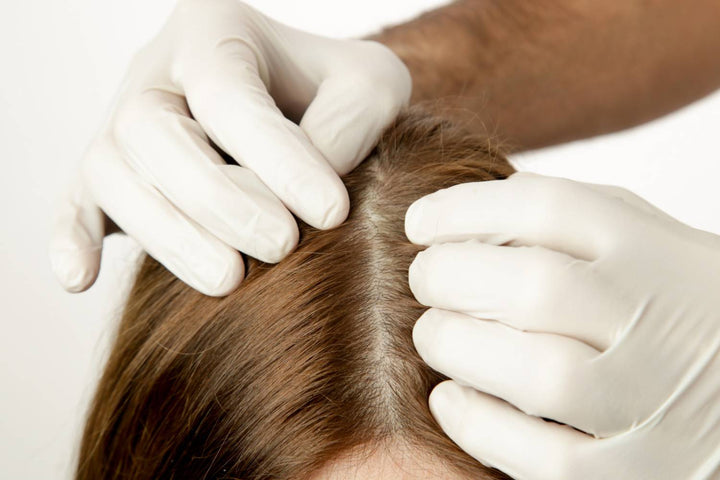
- A quickly widening part or receding hairline
- Sudden shedding after illness, surgery, medication, or weight loss
- Fatigue, weight change, or other systemic symptoms
A simple weekly routine
- Cleanse the scalp often enough to control oil and buildup.
- Condition every wash.
- Use leave-in protection on fragile lengths.
- Style with moderate heat or heatless methods.
- Trim split ends before they travel upward.
- Photograph the part and hairline monthly to detect change.
Frequently asked questions
Can gray hair turn dark again?
Age-related gray hair usually does not reliably repigment. Rare reversible changes can occur when a specific underlying factor is corrected, but this is not the usual pattern.
Why is gray hair wiry?
Changes in fiber structure, sebum, diameter, and weathering can make gray hair feel rougher. Conditioning and film-forming products improve feel.
Is thinning inevitable?
Some density and diameter change is common, but severity varies. Treatable hair-loss conditions should not be dismissed as normal aging.
Can supplements reverse age-related hair loss?
Supplements can support nutrient adequacy and healthy-looking hair, while pattern or inflammatory hair loss often needs cause-specific treatment.
Bottom line
Aging hair may gray, thin, dry, and become more fragile. Use gentler cleansing, consistent conditioning, lower heat, careful color, complete nutrition, and early evaluation of true hair loss. Cosmetic care can improve appearance, while medical treatment may preserve density when a diagnosable condition is present.
Further reading
Sources
- Hair aging revisited: expert Delphi consensus. 2026.
- Hair-follicle environment and hair aging.
- Hair aging across races and ethnicities.
Evidence reviewed August 2026. This article is educational and is not a substitute for individualized medical diagnosis or treatment. *These statements have not been evaluated by the Food and Drug Administration. Noophoric products are not intended to diagnose, treat, cure, or prevent any disease.
The information on noophoric.com is for informational and educational purposes only and is not intended to be medical advice. Readers should consult with a qualified healthcare professional before making changes to diet, nutrition, supplementation, medication, or lifestyle.