
Ketoconazole Shampoo for Hair Loss: What It Can and Cannot Do

Ketoconazole shampoo can help certain scalp conditions that contribute to itching, scale, and breakage, but it is not a stand-alone cure for pattern hair loss. Its clearest use is controlling dandruff and seborrheic dermatitis when yeast and inflammation are involved.
Ketoconazole is an antifungal medication. Shampoo strengths and availability vary by country, with lower strengths often sold over the counter and higher strengths requiring a prescription. Follow the product label or a clinician's directions because more frequent use is not automatically more effective.
What ketoconazole shampoo treats
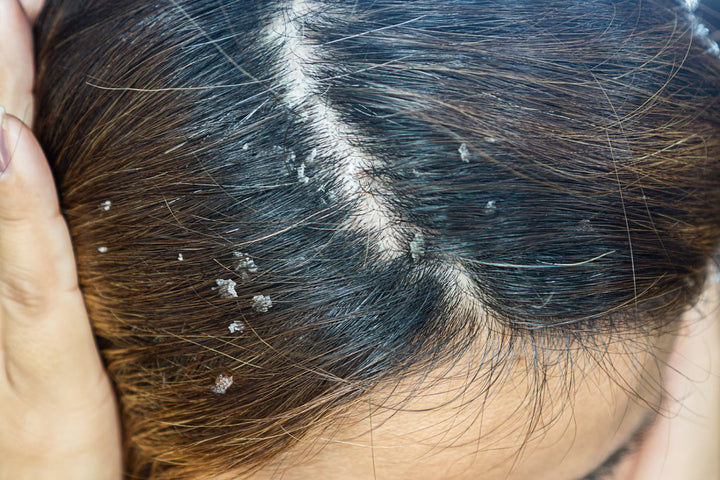
Ketoconazole reduces Malassezia yeast on the skin. That makes it useful for dandruff and seborrheic dermatitis, which can cause greasy or dry scale, redness, and itch. It may also be used as part of treatment for some fungal skin conditions, although scalp ringworm usually requires an oral prescription medication rather than shampoo alone.
Our guide to seborrheic dermatitis and hair loss explains why inflammation and scratching can increase shedding or breakage without permanently destroying follicles in most cases.
Does ketoconazole regrow hair?
Small studies and reviews have explored ketoconazole for androgenetic alopecia. Possible explanations include reducing scalp inflammation and altering the local environment, but the evidence is limited compared with established pattern hair-loss treatments. Shampoo contact time is brief, study methods vary, and results do not justify promising regrowth.
Someone with dandruff and pattern thinning may see a healthier-looking scalp after treating the dandruff while the underlying pattern loss continues. These are two different outcomes. For a comparison of better-supported options, read our overview of hair-loss treatments and who they fit.
How to use it correctly
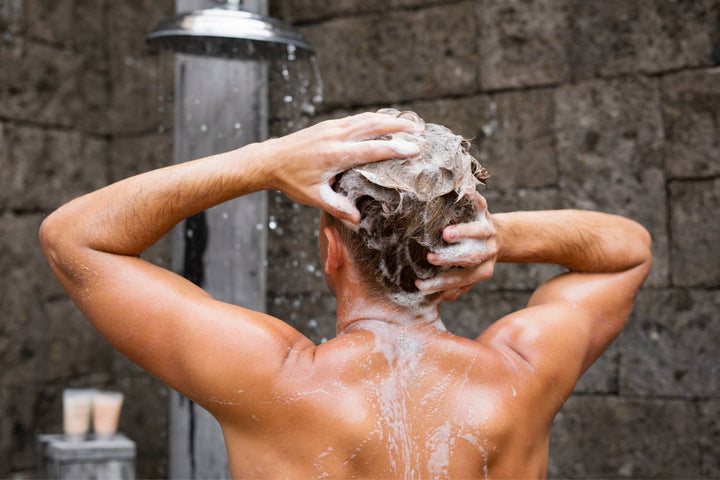
- Wet the scalp and hair thoroughly.
- Apply enough shampoo to reach the scalp, not only the hair lengths.
- Massage gently without scratching.
- Leave it on for the time stated on the label, then rinse completely.
- Use a conditioner on the lengths if the hair feels dry.
A common medical regimen uses the shampoo a few times per week for a limited treatment period, followed by less frequent maintenance, but the exact schedule depends on product strength and diagnosis. Do not copy a schedule from social media when the label or prescriber gives different instructions.
Side effects and precautions
Possible effects include dryness, irritation, burning, changes in hair texture, or increased oiliness. Rare allergic reactions can occur. Keep the product out of the eyes and stop for marked redness, swelling, blistering, or trouble breathing.
Color-treated or chemically processed hair may feel drier with repeated medicated shampoo. Alternate only if the treatment instructions allow it, focus the medicated product on the scalp, and condition the lengths. A lower frequency may be appropriate after symptoms are controlled, but persistent symptoms should be reassessed rather than managed by indefinite escalation.
Ketoconazole versus other dandruff shampoos
Other active ingredients include zinc pyrithione, selenium sulfide, salicylic acid, coal tar, and ciclopirox. They work differently. Salicylic acid helps loosen scale but is not an antifungal. Selenium sulfide and zinc pyrithione can reduce dandruff in some people. Ciclopirox is another antifungal option. A clinician may rotate products when one does not adequately control symptoms.
The best choice depends on whether the main problem is yeast, thick scale, psoriasis, eczema, contact dermatitis, or another condition. Our article on dandruff and shedding can help separate common flaking from signs that need medical care.
When shampoo is not enough
See a dermatologist for painful inflammation, pus, thick crust, broken hairs in patches, smooth bald patches, scarring, or symptoms that persist despite appropriate use. Children with possible scalp ringworm need prompt evaluation because oral treatment is usually required. Rapid or diffuse shedding also deserves a broader assessment.
Bottom line
Ketoconazole shampoo is a useful antifungal treatment for dandruff and seborrheic dermatitis. It may improve the scalp environment, but evidence for direct hair regrowth is limited. Use it for the condition it is designed to treat and address pattern thinning with diagnosis-specific care.
Further reading
Sources
Evidence reviewed August 2026. This article is educational and is not a substitute for individualized medical advice.

The information on noophoric.com is for informational and educational purposes only and is not intended to be medical advice. Readers should consult with a qualified healthcare professional before making changes to diet, nutrition, supplementation, medication, or lifestyle.