
Masturbation and Testosterone: Does Ejaculation Lower Levels?

Direct answer: Masturbation and ejaculation do not appear to cause a lasting reduction in baseline testosterone. Small studies show short-term hormone fluctuations around arousal, orgasm, and abstinence, but they do not demonstrate that ordinary sexual activity causes hypogonadism, muscle loss, or a long-term testosterone decline.
The belief persists because testosterone is associated with libido, and because short abstinence studies are often presented as proof of a permanent boost. Baseline hormone regulation is more complex than how often a man ejaculates.
Sleep, body composition, illness, medications, energy availability, and test timing have much stronger roles in a diagnostic result.
Key takeaways
- Ejaculation does not appear to lower long-term baseline testosterone.
- Arousal and orgasm can cause temporary hormonal changes.
- A widely quoted seven-day abstinence study was retracted and should not guide practice.
- Sexual behavior should be judged by health, function, consent, and quality of life.
Why the testosterone claim became popular
Sexual arousal activates the nervous and endocrine systems. Prolactin rises after orgasm, while catecholamines and other hormones can shift temporarily. These changes resolve and are not equivalent to chronic hormone suppression.
Abstinence can change desire, attention, and behavior without creating a clinically meaningful testosterone advantage.
What hormone studies show
A 2021 randomized crossover pilot study found that masturbation may influence short-term free testosterone kinetics but did not change the balance of testosterone and cortisol in a way that proves a long-term performance effect. An older study of ten men found higher testosterone after three weeks of abstinence, but the sample was too small to define a durable health benefit.
The frequently cited study claiming a dramatic testosterone peak after seven days of abstinence was retracted, so that result should not be used as evidence.
What about workouts and muscle growth?
There is no convincing evidence that masturbation before a workout meaningfully reduces strength, muscle gain, or testosterone. Sleep lost to late-night behavior or compulsive patterns can affect training, but that is a sleep and behavior issue rather than hormone depletion.
If abstinence helps an individual focus or follow personal values, that is a separate reason and does not require a testosterone claim.
Temporary changes are not a new baseline
The research is small, often short, and focused on young healthy men. It cannot answer every question about frequency, pornography use, fertility timing, or compulsive behavior.
Why short-term hormone studies are easy to overread
Studies of masturbation and testosterone: does ejaculation lower levels? often use small samples and measure hormones over minutes or days. These designs can detect temporary physiology, but they cannot establish a new long-term baseline, muscle gain, fertility, or lasting sexual-health effects.
A useful interpretation separates an acute fluctuation from a clinically meaningful change. It also checks whether a popular claim comes from a retracted paper, an animal model, or a result that was never independently repeated.
Focus on function and quality of life
Sleep, relationships, consent, mental health, training, and daily function are more useful outcomes than trying to control every temporary hormone movement. Test clinically when symptoms persist, not to validate an internet rule.
What matters more for long-term testosterone health
Do not organize sexual behavior around fear of “losing testosterone.” Focus on whether it interferes with sleep, relationships, work, training, or sexual function. Persistent low libido or erectile changes should be evaluated rather than attributed automatically to masturbation.
- Protect sleep.
- Use consent and privacy.
- Seek help for compulsive behavior or distress.
- Use clinical testing for suspected hypogonadism.
When testing or medical evaluation makes sense
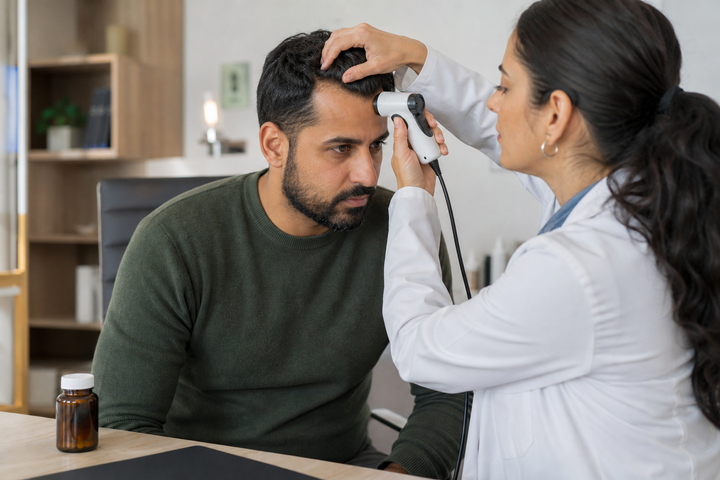
There is no standard abstinence period required before a testosterone blood test. Follow the laboratory instructions and keep routine conditions consistent. Semen analysis has separate abstinence instructions.
When to seek medical care
Genital injury, severe pain, blood in semen with concerning symptoms, compulsive behavior causing major harm, or suicidal distress needs professional care.
Bottom line
Masturbation does not drain testosterone. Short-term fluctuations are not a new baseline, and the stronger levers for testosterone health remain sleep, body composition, nutrition, training, and medical care.
Frequently asked questions
Does nofap increase testosterone?
No durable clinically meaningful increase has been established. The famous seven-day peak study was retracted.
Can masturbation lower gym performance?
It is unlikely to have a meaningful direct effect. Lost sleep or distraction can matter more.
Should you abstain before a testosterone test?
There is no standard requirement. Follow the clinician or laboratory instructions.
Related reading
References
- Basic and Clinical Andrology. Hormonal response after masturbation in young men: randomized crossover pilot study.
- World Journal of Urology. Endocrine response to masturbation after sexual abstinence.
- Endocrine Society. Testosterone Therapy in Men With Hypogonadism clinical practice guideline.
- Society for Endocrinology and Association of Clinical Biochemistry. Standardising biochemical confirmation of male hypogonadism.
Evidence reviewed August 2026. This article is educational and is not a substitute for individualized medical diagnosis or treatment.

The information on noophoric.com is for informational and educational purposes only and is not intended to be medical advice. Readers should consult with a qualified healthcare professional before making changes to diet, nutrition, supplementation, medication, or lifestyle.