
Microneedling for Hair Loss: Evidence, Safety, and Results

Microneedling may improve hair density in some people with pattern hair loss, especially when used with topical minoxidil, but protocols vary and at-home treatment can cause injury or infection. The best candidates have a confirmed diagnosis and a plan supervised by a qualified clinician.
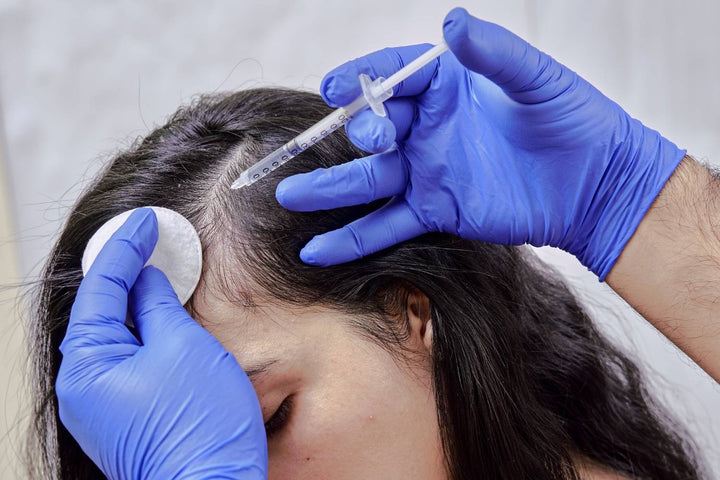
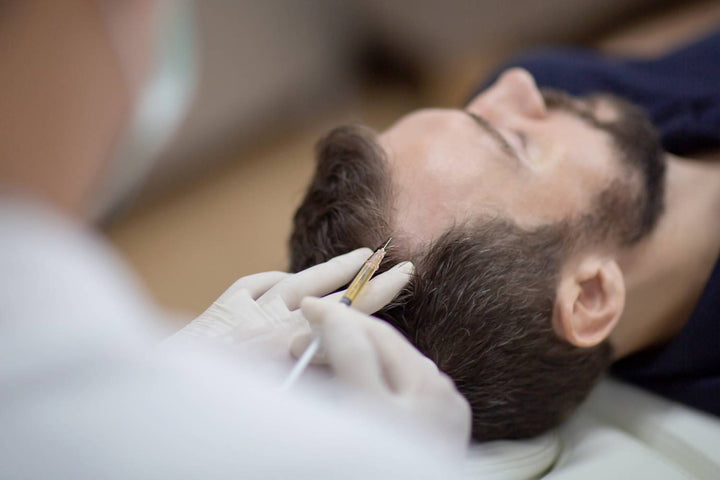
Microneedling uses fine needles to create controlled punctures in the scalp. It is different from platelet-rich plasma, hair transplantation, and low-level light therapy, although clinics sometimes combine these procedures.
How microneedling might support hair growth
Controlled injury triggers wound-healing signals in the skin. Researchers have proposed that these signals may influence growth factors, follicle stem-cell activity, blood-vessel formation, and pathways involved in the hair cycle. Microneedling can also increase the penetration of topical products.
That last effect is both a possible benefit and a safety concern. A product that is safe on intact skin may cause more irritation or systemic exposure when applied to freshly needled skin.
What the evidence shows
Randomized trials and systematic reviews suggest that microneedling combined with minoxidil can improve hair count more than minoxidil alone for some adults with androgenetic alopecia. The evidence is promising, but studies use different needle depths, devices, schedules, treatment durations, and outcome measures.
Current evidence is less certain for microneedling by itself. It is also not established as a universal treatment for alopecia areata, telogen effluvium, scarring alopecia, infection, or hair-shaft breakage.
Before comparing procedures, make sure the diagnosis is correct. Our overview of hair loss treatments by cause explains why a promising treatment can still be wrong for a particular pattern.
Who may be a candidate?
Microneedling is most often studied in male or female pattern hair loss. A clinician may consider it when:
- The diagnosis is androgenetic alopecia
- The scalp is healthy and uninfected
- Topical treatment alone has been inadequate or poorly tolerated
- The person can follow a consistent multi-month protocol
- There are no bleeding, healing, or immune concerns that make needling unsafe
Who should avoid or delay microneedling?
Microneedling may be inappropriate over active psoriasis, eczema, seborrheic dermatitis flares, folliculitis, open wounds, sunburn, or infection. Extra caution is needed with bleeding disorders, anticoagulants, immune suppression, diabetes with poor wound healing, keloid tendency, and pregnancy-related medication restrictions.
Scarring hair loss is especially important to diagnose before treatment. Pain, burning, scalp shine, loss of follicle openings, or perifollicular scale should be evaluated by a dermatologist.
Professional treatment versus at-home devices
Professional treatment offers controlled depth, sterile single-use cartridges, better visualization, and a plan for topical products and aftercare. Home rollers and stamps are inexpensive, but contamination, uneven pressure, over-treatment, and accidental use on the wrong diagnosis are common concerns.
There is no universally established home depth or schedule that is appropriate for everyone. Deeper is not automatically better. More injury can mean more bleeding, pain, inflammation, pigment change, and scarring risk.
Microneedling with minoxidil
Combination treatment has the strongest clinical interest, but timing matters. Applying minoxidil immediately after needling can increase irritation and absorption. Protocols differ on when to restart it. Follow the exact instructions provided by the treating clinician rather than copying a social-media routine.
Topical minoxidil can cause an early temporary shed, scalp irritation, and unwanted facial hair. It should be kept away from children and pets. Pregnancy and breastfeeding considerations should be discussed with a clinician.
What results can you expect?
Hair changes take months. Studies often evaluate treatment over twelve to twenty-four weeks or longer. A realistic goal is improved density or thicker-looking growth, not restoration of every lost follicle.
Use consistent photos of the hairline, part, and crown. Changes in lighting, wetness, hair length, and camera angle can make before-and-after comparisons misleading. Learning about the hair growth cycle and realistic timelines can make progress easier to judge.
Possible side effects
- Temporary redness, tenderness, or pinpoint bleeding
- Scalp irritation and flaking
- Infection from poor hygiene or reused devices
- Post-inflammatory pigment change
- Scarring after overly aggressive treatment
- Increased absorption or irritation from topical products
Seek medical care for worsening pain, pus, spreading redness, fever, or delayed healing.
How microneedling compares with other options
Minoxidil has a longer history and broader guideline support. Finasteride and selected antiandrogen medicines may be options depending on sex, diagnosis, medical history, and pregnancy potential. Low-level light devices are noninvasive but require frequent long-term use. PRP uses injections of concentrated platelets and is generally more expensive.
Microneedling may work best as one component of a plan rather than a replacement for diagnosis and established treatment. If you are comparing injection procedures, read our article on PRP for hair loss.
Can nutrition be combined with microneedling?
Yes, adequate protein, calories, vitamins, and minerals support normal hair formation. Nutritional support does not replace scalp treatment or correct pattern loss by itself. Avoid high-dose supplements unless a clinician identifies a need.
Noophoric Hair+ supports healthy-looking hair and normal hair strength through daily nutritional support.* Tell the treating clinician about all supplements before a procedure.
Frequently asked questions
Does a derma roller regrow hair?
Studies suggest microneedling may improve results for some people with pattern hair loss, particularly alongside minoxidil. A consumer derma roller is not equivalent to every clinical protocol, and poor technique can cause harm.
How often should the scalp be microneedled?
Research protocols vary, so there is no one schedule for everyone. Frequency depends on depth, device, scalp condition, topical treatment, and healing. Follow a clinician-designed protocol.
Can microneedling make hair loss worse?
Excessive or unsterile treatment can cause inflammation, infection, or scarring. It can also delay proper treatment if the diagnosis is wrong. Temporary shedding from a combined treatment such as minoxidil may be mistaken for damage.
Is microneedling better than minoxidil?
The strongest evidence supports adding microneedling to minoxidil in selected patients, not assuming microneedling should replace it. Individual risks and preferences matter.
The bottom line
Microneedling is a promising adjunct for pattern hair loss, especially with topical minoxidil, but protocols are not standardized and home treatment has real risks. Confirm the diagnosis, protect scalp hygiene, use conservative technique, and judge results over months with consistent photos.
Sources
- Systematic review and meta-analysis of microneedling plus minoxidil for androgenetic alopecia. 2025.
- Kuczara A, et al. Trichoscopy of Androgenetic Alopecia. 2024.
- Physical Treatments and Therapies for Androgenetic Alopecia. 2024.
- American Academy of Dermatology. Hair loss diagnosis and treatment.
Evidence reviewed September 2026. This article is educational and is not a substitute for individualized medical diagnosis or treatment.
*These statements have not been evaluated by the Food and Drug Administration. This product is not intended to diagnose, treat, cure, or prevent any disease.
The information on noophoric.com is for informational and educational purposes only and is not intended to be medical advice. Readers should consult with a qualified healthcare professional before making changes to diet, nutrition, supplementation, medication, or lifestyle.