
Resistance Training and Testosterone: Acute Spikes vs. Lasting Change

Direct answer: Resistance training can cause a brief rise in testosterone after a workout, especially with large muscle groups and demanding volume, but the increase usually fades quickly. Long-term training does not reliably raise resting testosterone in healthy men. Its real value is improved strength, muscle, insulin sensitivity, body composition, confidence, and function.
The post-workout hormone spike became popular because it offered a simple explanation for why compound lifts build muscle. Modern evidence shows that local muscle tension, progressive overload, adequate volume, nutrition, and recovery matter far more than the size of a temporary blood-hormone response.
That makes resistance training no less important. It makes the reason more accurate.
Key takeaways
- The post-workout testosterone rise is short-lived.
- A larger spike does not guarantee more muscle growth.
- Resting testosterone often changes little in healthy men.
- Training improves several factors that support healthy testosterone indirectly.
The difference between a workout response and baseline testosterone
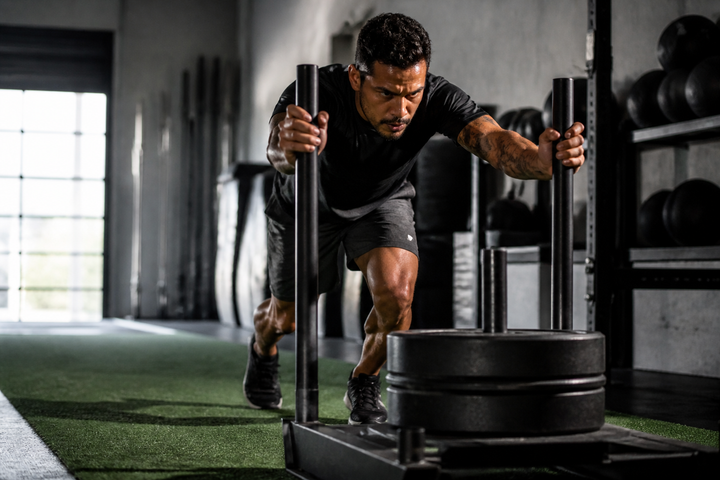
Heavy multi-joint exercise recruits a large amount of muscle and creates a systemic stress response. Testosterone, growth hormone, cortisol, catecholamines, and other signals can change during and after the session.
These blood changes return toward baseline while muscle repair and adaptation continue for much longer. Muscle growth can occur without a large systemic testosterone spike.
What training studies show
A meta-analysis of acute exercise studies found that testosterone rises briefly and is generally no longer elevated after about 30 minutes. A meta-analysis of exercise training in insufficiently active healthy men found a negligible effect on resting total or free testosterone.
The evidence supports training for the adaptation itself, not designing every workout to maximize an endocrine number.
What to optimize instead
- Progressive overload across months.
- Enough weekly hard sets for the target muscles.
- Good technique and appropriate range of motion.
- Protein and calories matched to the goal.
- Sleep and recovery between sessions.
- A program you can follow without repeated injury.
Where the common claim goes wrong
These findings apply mainly to men without confirmed hypogonadism. Exercise can still improve an obesity-related low-testosterone pattern through fat loss and metabolic health. Overtraining or severe under-fueling can reduce testosterone.
Do not confuse a hormone response with a training result
Studies of resistance training and testosterone: acute spikes vs. lasting change may measure testosterone immediately after exercise because the change is easy to capture. Muscle gain, fat loss, performance, and recovery develop over much longer periods. A brief blood change is therefore a mechanism clue, not a score for workout quality.
Use progression, technique, weekly volume, sleep, food intake, soreness, motivation, and injury history to judge the program. Those measures are closer to the outcomes a man actually wants.
Build a program that remains productive
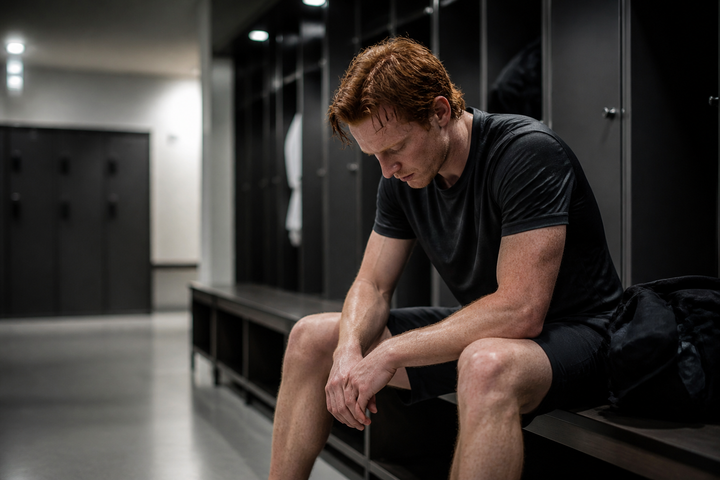
The best program is demanding enough to create adaptation and recoverable enough to repeat. Hard days should have a purpose, easier days should preserve momentum, and calories should match the work. Repeatedly adding intensity because progress feels slow can create the exact fatigue pattern that undermines performance and libido.
A testosterone-support formula can fit alongside this routine, but it should not be used to justify training through persistent warning signs. Recovery is part of the program.
How to train without chasing hormone spikes
Choose a balanced program built around major movement patterns, then add isolation work as needed. Use performance, measurements, and recovery as primary feedback. Do not turn short rest periods, excessive volume, or constant failure training into a hormone strategy.
- Train each major muscle group regularly.
- Add load or repetitions gradually.
- Schedule easier weeks when fatigue accumulates.
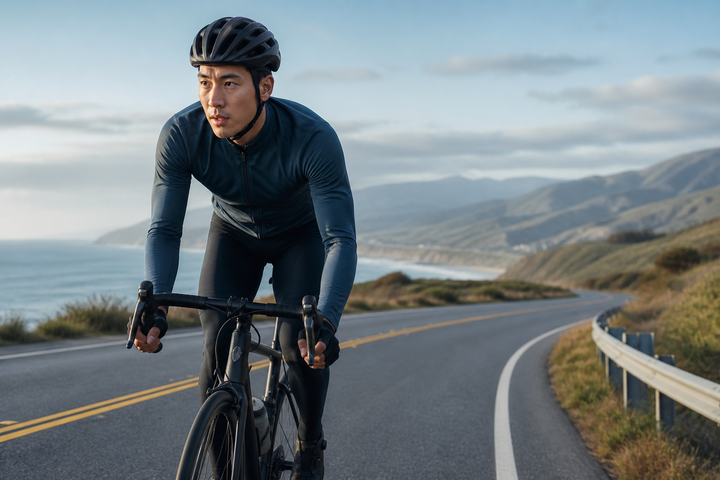
- Keep endurance work compatible with recovery.
When testing or medical evaluation makes sense
Do not test testosterone immediately after a hard workout to judge your baseline. Use standardized morning fasting conditions and repeat a low result.
When to seek medical care
Chest pain, fainting, severe shortness of breath, dark urine with extreme muscle pain, or a major acute injury needs prompt care.
Bottom line
Resistance training is one of the best investments in men’s health, even though it does not permanently “boost” resting testosterone in most healthy men. Build strength and muscle, not a temporary hormone spike.
Frequently asked questions
Do squats raise testosterone?
They can contribute to a brief post-workout increase, but that spike is not required for leg growth or long-term progress.
Does lifting raise baseline testosterone?
Average changes in healthy men are small. Body-fat loss, sleep, and reversal of inactivity may help some individuals.
What rep range is best for testosterone?
No rep range produces a proven long-term hormonal advantage. Use ranges that support strength, hypertrophy, technique, and adherence.
Related reading
References
- Sports Medicine. Acute exercise and testosterone: systematic review and meta-analysis.
- Sports Medicine. Exercise training and resting testosterone in insufficiently active men: systematic review and meta-analysis.
- Endocrine Society. Testosterone Therapy in Men With Hypogonadism clinical practice guideline.
- Society for Endocrinology and Association of Clinical Biochemistry. Standardising biochemical confirmation of male hypogonadism.
Evidence reviewed August 2026. This article is educational and is not a substitute for individualized medical diagnosis or treatment.
The information on noophoric.com is for informational and educational purposes only and is not intended to be medical advice. Readers should consult with a qualified healthcare professional before making changes to diet, nutrition, supplementation, medication, or lifestyle.