
Tea Tree Oil for Hair and Scalp: Evidence, Dilution, and Allergy

Tea tree oil may help mild dandruff when used in a properly formulated shampoo, but it is not a proven hair-growth treatment. Concentrated essential oil can irritate the scalp or cause allergic contact dermatitis, so dilution, formulation, and skin tolerance matter.
Why tea tree oil is used on the scalp
Tea tree oil comes from Melaleuca alternifolia. Laboratory research shows antimicrobial activity, including activity against some fungi and bacteria. This led to its use in dandruff shampoos, scalp cleansers, and spot products.
Antimicrobial activity in a laboratory does not mean undiluted oil should be placed directly on the scalp. Concentration, vehicle, contact time, and product stability affect both benefit and risk.
Evidence for dandruff
In a randomized trial of 126 people with mild to moderate dandruff, a shampoo containing 5% tea tree oil was used daily for four weeks. The tea tree group had a greater improvement in the study's dandruff severity score than placebo, with improvements in itchiness and greasiness.
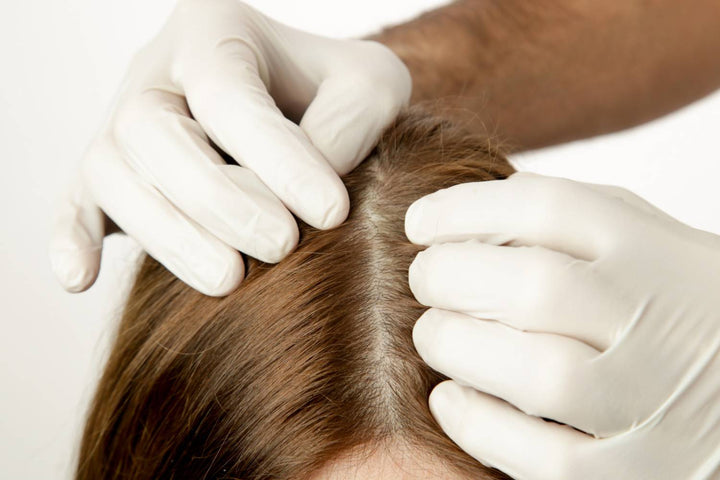
This was one trial of a formulated shampoo, not a study of pure oil or a cure for every flaky scalp condition. Dandruff, seborrheic dermatitis, psoriasis, eczema, and contact allergy can look similar but require different care.
Does tea tree oil grow hair?
There is not strong clinical evidence that tea tree oil increases hair count, reverses androgenetic alopecia, or treats telogen effluvium. Reducing dandruff and itch may make the scalp more comfortable and reduce scratching, but that is not the same as changing the follicle growth cycle.
If you have a widening part, receding hairline, round bald patch, or prolonged shedding, review our guide to why hair may be falling out and seek a diagnosis.
Allergy and irritation risk
Tea tree oil can cause irritant or allergic contact dermatitis. Oxidized oil may be more sensitizing, so age, light, heat, and air exposure matter. Possible symptoms include burning, itching, redness or discoloration, scale, swelling, and rash beyond the application area.
“Natural” does not mean allergy-free. People with eczema, a damaged scalp barrier, or prior essential-oil reactions should be especially cautious. Our guide to shampoo allergens explains when patch testing may help.
How to use tea tree products more safely
- Prefer a commercially formulated shampoo or scalp product with clear directions.
- Do not apply concentrated essential oil directly to the scalp.
- Keep it away from eyes, mouth, and broken skin.
- Do not swallow tea tree oil.
- Stop promptly if burning, swelling, hives, or a persistent rash develops.
- Store products as directed and discard those with changed color, odor, or texture.
Tea tree oil versus proven dandruff ingredients
Common dandruff shampoos use ketoconazole, selenium sulfide, zinc pyrithione, salicylic acid, sulfur, or coal tar. They work through different antifungal, scale-removing, or anti-inflammatory mechanisms. A dermatologist can help choose among them based on hair texture, symptoms, and diagnosis.
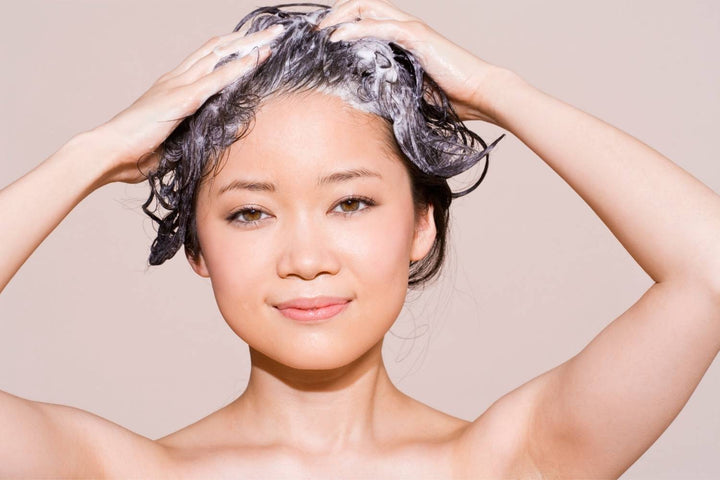
For curly or tightly coiled hair, apply medicated shampoo mainly to the scalp so the lengths are not unnecessarily dried. Follow with conditioner on the hair shaft.
Can tea tree oil dry the hair?
A shampoo's surfactant system and frequency of use influence dryness more than the featured ingredient alone. Daily use of a strong cleanser can make some hair rough or tangled. Concentrated essential oil can also irritate skin and leave a strong residue.
Adjust frequency to your scalp and hair type, rinse well, and condition the lengths. Stop if breakage or tangling increases.
A complete hair routine
Scalp treatment and nutrition serve different roles. Tea tree shampoo cannot correct low iron, inadequate protein, thyroid disease, medication effects, or genetic pattern loss.
Noophoric Hair+ combines vitamins, minerals, botanicals, and amino acids to support fuller, stronger, healthier-looking hair as part of a complete routine.*
Bottom line
A 5% tea tree oil shampoo improved dandruff in one randomized trial, but tea tree oil is not proven to regrow hair. Choose a formulated product, avoid direct use of concentrated oil, and stop if irritation develops. Persistent flakes or thinning deserve an accurate diagnosis.
Further reading
Sources
- Treatment of dandruff with 5% tea tree oil shampoo. Randomized trial. 2002.
- Allergic contact dermatitis to personal care products. 2026.
- American Academy of Dermatology. How to treat dandruff. 2023.
Evidence reviewed August 2026. This article is educational and is not a substitute for individualized medical diagnosis or treatment. *These statements have not been evaluated by the Food and Drug Administration. Noophoric products are not intended to diagnose, treat, cure, or prevent any disease.
The information on noophoric.com is for informational and educational purposes only and is not intended to be medical advice. Readers should consult with a qualified healthcare professional before making changes to diet, nutrition, supplementation, medication, or lifestyle.