
Blueberries: Nutrition, Benefits, and What Studies Show

Blueberries provide fiber, vitamin C, vitamin K, manganese, and anthocyanins that give the fruit its blue-purple color. Human studies link blueberry intake with possible cardiovascular and metabolic benefits, but the effect of one food is modest and varies across studies.
Fresh, frozen, and unsweetened dried forms can fit a healthy diet. Juice removes much of the fiber and is easier to consume in a large dose.
Anthocyanins and antioxidants
Anthocyanins can influence oxidative and inflammatory pathways in laboratory and human research. The body metabolizes them extensively, so antioxidant capacity measured in a test tube is not a direct measure of disease prevention.
Eat blueberries as part of a variety of colorful plants rather than chasing the food with the highest antioxidant score.
Heart and blood vessels
Some trials suggest modest improvements in blood pressure, endothelial function, or lipid oxidation. Observational studies associate anthocyanin-rich diets with cardiovascular benefits. These findings do not replace medication, exercise, smoking cessation, or an overall healthy diet.
Blood sugar
Whole blueberries contain natural sugar along with fiber and water. A measured portion can fit a diabetes eating plan. Sweetened dried berries, syrup, muffins, and juice have a different carbohydrate profile. Check the complete food, not the ingredient name alone.
Brain-health claims
Research has examined berries and cognitive function, particularly in older adults, with promising but not definitive results. Blueberries should not be marketed as treatment for dementia or as a way to reverse cognitive decline.
Gut health
Fiber and polyphenols interact with gut microbes. Responses differ between people, and blueberry intake is one small part of the overall fiber pattern. Increase high-fiber foods gradually if your current intake is low.
Do blueberries help hair growth?
Vitamin C supports collagen formation and improves absorption of non-heme iron when foods are eaten together. That can support normal physiology, but blueberries alone do not regrow hair. A cup of fruit cannot correct every cause of shedding.
Pair berries with an iron-containing meal and follow our guide to foods for healthy hair growth.
Fresh versus frozen
Frozen blueberries are nutritious, convenient, and often less expensive outside the local season. Some vitamin levels change with storage, but frozen fruit remains a strong choice. Choose unsweetened packages.
Dried berries and juice
Dried fruit is concentrated, so a small portion contains more carbohydrate and calories than the same volume of fresh fruit. Many products add sugar. Juice lacks most intact fiber and is less filling. Neither is forbidden, but portion and purpose differ.
How much should you eat?
A half to one cup is a practical serving for many meals, but there is no required dose. Add blueberries to oatmeal, yogurt, salads, or smoothies that retain the whole fruit. Vary fruit choices across the week.
Safety and medication
Blueberry allergy is uncommon but possible. People taking warfarin should keep vitamin K intake consistent rather than eliminating every source. Those with kidney disease or a prescribed potassium restriction need individualized fruit portions.
Ten realistic benefits
- Convenient whole-fruit serving
- Dietary fiber
- Vitamin C
- Vitamin K
- Manganese
- Anthocyanins
- Low sodium
- High water content when fresh or frozen
- Easy pairing with protein-rich foods
- A useful replacement for more heavily sweetened desserts
The bottom line
Blueberries are a nutrient-dense fruit, not a medicine. Their strongest role is helping build a varied plant-rich diet that supports long-term health.
Wash fresh berries under running water just before eating and refrigerate them promptly. Discard moldy berries rather than washing and eating the remainder immediately around visible mold, since soft fruit can be contaminated below the surface.
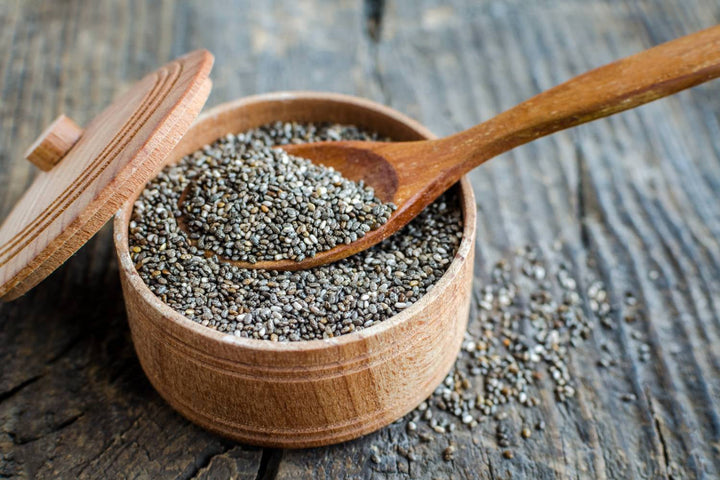
Compare them with other plant foods in our article on chia seed nutrition and safety.
Further reading
Related reading
Sources
This article is educational and is not a substitute for individualized medical advice.

The information on noophoric.com is for informational and educational purposes only and is not intended to be medical advice. Readers should consult with a qualified healthcare professional before making changes to diet, nutrition, supplementation, medication, or lifestyle.