
Turmeric for Hair Growth: Evidence, Scalp Use, and Safety

Turmeric and its best-known compound, curcumin, have anti-inflammatory activity in laboratory research. That does not prove that turmeric applied to the scalp or swallowed as a supplement regrows human hair. Evidence for common hair-loss conditions is limited, and concentrated products can cause irritation, gastrointestinal side effects, interactions, or rare liver injury.
Why turmeric is marketed for hair
Hair-loss marketing often turns a plausible biological mechanism into a clinical promise. Inflammation contributes to some scalp disorders, so an anti-inflammatory compound sounds useful. The missing step is evidence that the specific preparation, dose, and route improve hair counts or prevent progression in people with a diagnosed condition.
What the evidence can support
Turmeric is a culinary spice, and curcumin is actively studied for several health conditions. Current research does not establish it as a replacement for proven treatment of pattern hair loss, alopecia areata, fungal infection, psoriasis, seborrheic dermatitis, or scarring alopecia. A study of cells or animals cannot show how much hair a person will regrow.
If scalp inflammation is the main concern, start with our guide to scalp health and hair growth and obtain a diagnosis when symptoms persist.
Topical turmeric risks
Turmeric can stain skin, nails, towels, and light hair. Curcumin may cause hives, itch, or contact irritation. Homemade pastes vary in concentration and may contain lemon juice, essential oils, or other irritants. Do not apply a paste to broken, infected, blistered, or actively inflamed skin.
If you still want to patch test
- Use a simple cosmetic product intended for skin rather than kitchen powder mixed with acids.
- Apply a small amount to a limited area away from the eyes.
- Wait at least a day and watch for delayed irritation.
- Stop for burning, swelling, hives, or worsening rash.
- Do not use the test to delay medical treatment.
Oral turmeric and curcumin
Food amounts and concentrated supplements are different exposures. NCCIH reports that oral products can cause nausea, reflux, stomach upset, diarrhea, or constipation. Products formulated for increased absorption have been linked to liver injury in some people. Pregnancy, breastfeeding, gallbladder concerns, medication, and upcoming surgery should be discussed with a clinician.
Why black pepper changes the safety question
Some curcumin supplements add piperine or branded BioPerine to increase absorption. Greater absorption can change both the desired exposure and the interaction risk. Our article on BioPerine, absorption, and medication interactions explains why more bioavailability is not automatically better.
Liver warning signs
Stop the supplement and seek medical advice for yellow skin or eyes, dark urine, severe fatigue, persistent nausea, poor appetite, or upper abdominal pain. Bring the bottle and ingredient list. Do not restart the same formulation until the event has been evaluated.
What actually helps depends on the diagnosis
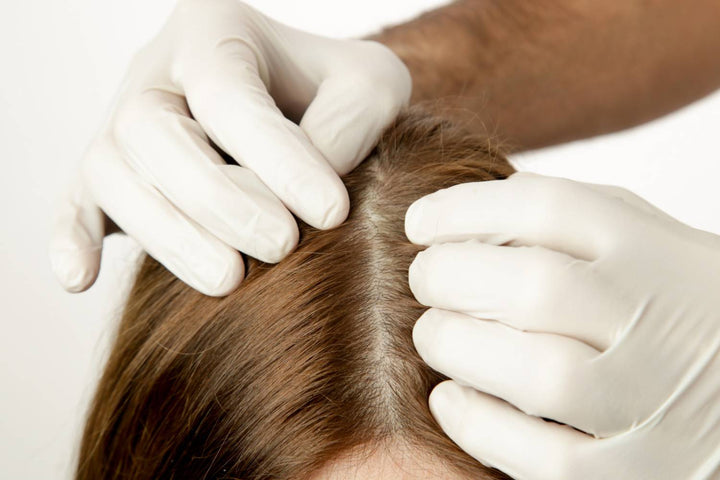
Pattern hair loss, telogen effluvium, infection, autoimmune loss, and scarring alopecia need different care. A dermatologist may use examination, magnification, laboratory testing, or biopsy. Treating the cause early matters more than adding an anti-inflammatory spice to every routine.
Take standardized monthly photographs if you are tracking density. Keep the same part, lighting, distance, and dry hairstyle. Do not start turmeric, a new shampoo, three oils, and a supplement at the same time. Changing several variables makes it impossible to know what helped or caused irritation.
A reasonable bottom line
Turmeric is a flavorful food ingredient with interesting research, but it is not an established hair-growth treatment. If you enjoy it in food, keep expectations culinary. If you consider a concentrated supplement, screen for interactions and use a product with clear dosing and independent quality testing.
Noophoric Hair+ combines vitamins, minerals, botanicals, and amino acids to support fuller, stronger, healthier-looking hair. It does not treat inflammatory or scarring scalp disease.
Further reading
Sources
This article is educational and is not a substitute for individualized medical advice.
The information on noophoric.com is for informational and educational purposes only and is not intended to be medical advice. Readers should consult with a qualified healthcare professional before making changes to diet, nutrition, supplementation, medication, or lifestyle.