
What Conditioner Does for Hair: Slip, Cuticle Smoothing, and Breakage

Hair conditioner is not just a product that makes hair feel softer. It reduces friction, improves detangling, limits static, and temporarily smooths damaged areas of the hair cuticle. Those effects can make hair easier to manage and less likely to break during combing.
Conditioner does not permanently heal a damaged strand. Hair fibers are made of nonliving cells, so products can coat, lubricate, and temporarily fill surface defects, but they cannot return bleached or split hair to its original structure.
How conditioner works
Shampoo removes oil and residue, but cleansing also leaves the hair surface with a negative electrical charge. Many conditioning ingredients are positively charged and are attracted to weathered areas of the strand. They deposit on the surface, flatten raised cuticle edges, and reduce friction between fibers.
Lower friction means a comb or brush can move through hair with less force. It also reduces static and helps light reflect more evenly, which is why conditioned hair often looks shinier. The effect is temporary and changes with washing, styling, humidity, and product buildup.
Common types of conditioner
Rinse-out conditioner is used after shampoo and removed after a short contact time. It is the best starting point for most routines.
Deep conditioner or mask is richer and left on longer. It may help very dry, bleached, or highly textured hair feel more flexible, but using it too frequently can weigh down fine hair.
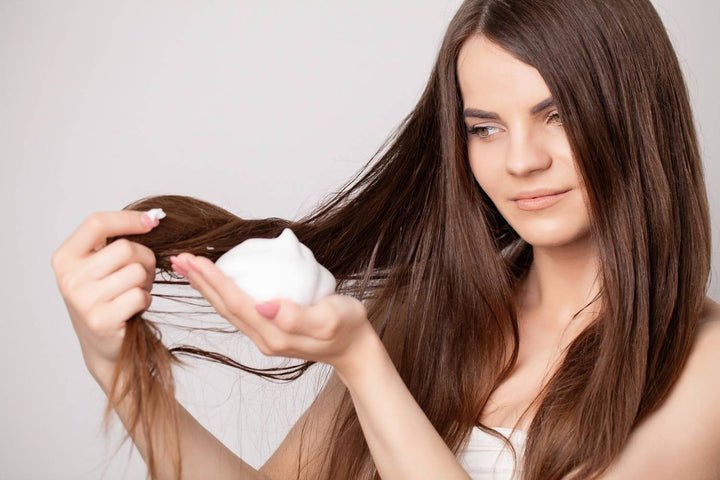
Leave-in conditioner remains on the hair to provide continuing slip and reduce tangling. The right amount depends on texture and density. Our guide explains how to use leave-in conditioner without weight or buildup.
Protein conditioner contains hydrolyzed proteins or amino acids that can temporarily reinforce or coat damaged fibers. It is not automatically better for every head of hair.
How to apply conditioner correctly
- After shampooing, squeeze out excess water.
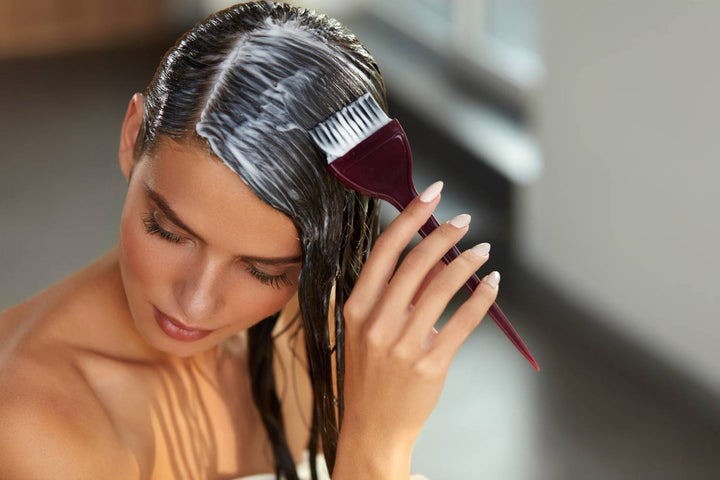
- Apply conditioner mainly from the mid-lengths to the ends.
- Use your fingers or a wide-tooth comb to distribute it gently.
- Leave it on for the time directed on the label.
- Rinse thoroughly unless the product is specifically a leave-in.
Fine or oily hair usually needs a small amount of lightweight product kept away from the roots. Coarse, tightly coiled, long, or chemically treated hair may need more product and a richer formula. The scalp does not always need conditioner, especially if it becomes oily or develops buildup easily.
Can conditioner cause hair loss?
Conditioner does not normally make healthy follicles stop growing hair. People often notice shed strands while conditioning because loose hairs collect during detangling and become visible in the shower. That does not mean the conditioner caused the shedding.
However, any cosmetic can trigger irritation or allergic contact dermatitis in a susceptible person. Stop using a product if it causes burning, rash, swelling, or persistent itching. A dermatologist can investigate ongoing scalp symptoms or sudden hair loss.
Signs you may be using too much
- Hair feels coated or waxy immediately after washing
- Roots lose volume quickly
- Curls feel limp and take unusually long to dry
- Styling products stop working as expected
Before abandoning conditioner, reduce the amount and keep it off the scalp. Periodic clarifying may help if you use many film-forming products, but harsh cleansing too often can increase dryness. The article on silicones and product buildup explains why the ingredient name alone does not determine whether a formula is right for you.
Conditioner and damaged hair
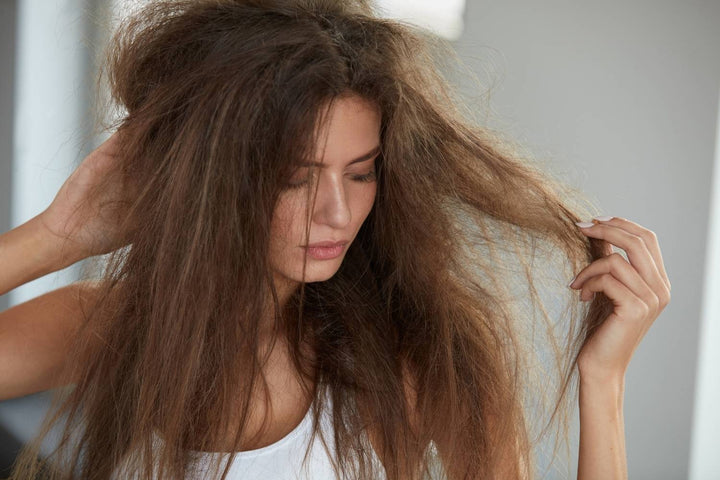
Conditioner is most useful when damage has increased porosity and friction. Bleaching, permanent color, chemical straightening, repeated heat, ultraviolet exposure, and rough grooming can all degrade the cuticle. Conditioning can improve feel and reduce further mechanical stress, but split ends still need trimming and severe chemical damage cannot be undone.
Support new hair growth
Conditioner works on the strand outside the scalp. New hair growth depends on the follicle, health, and adequate nutrition. If hair is thinning at the root rather than snapping along the length, investigate the cause instead of relying on surface products.
Noophoric Hair+ combines vitamins, minerals, botanicals, and amino acids to support fuller, stronger, healthier-looking hair.
Further reading
Sources
This article is educational and is not a substitute for individualized medical advice.
The information on noophoric.com is for informational and educational purposes only and is not intended to be medical advice. Readers should consult with a qualified healthcare professional before making changes to diet, nutrition, supplementation, medication, or lifestyle.