
Celiac Disease and Hair Loss: The Gut-Hair Connection

Celiac disease can be associated with hair loss through iron, folate, vitamin B12, vitamin D, zinc, protein, or other nutritional problems, as well as autoimmune conditions such as alopecia areata. Hair loss alone does not diagnose celiac disease. Testing should occur before starting a gluten-free diet because avoiding gluten can make results less reliable.
How celiac disease may affect hair
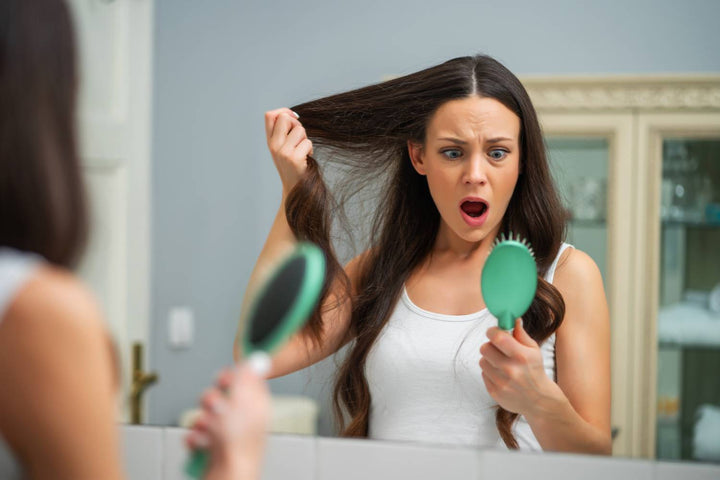
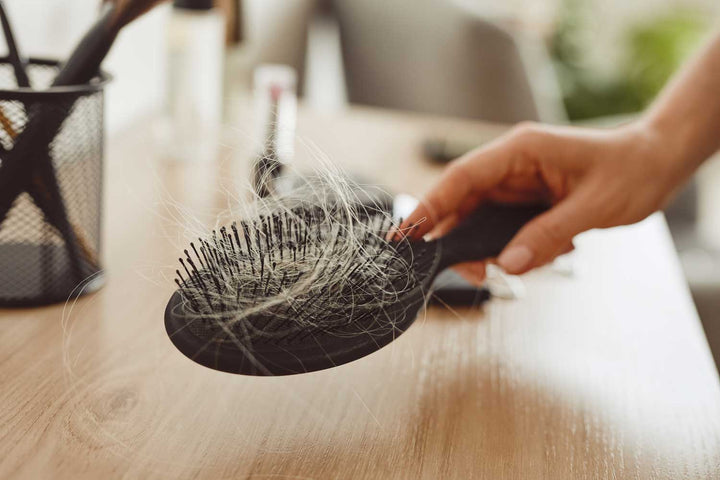
In celiac disease, gluten triggers an immune reaction that damages the small intestine in genetically susceptible people. Reduced nutrient absorption, inflammation, appetite changes, and weight loss can disrupt the hair cycle. The result may be diffuse telogen effluvium rather than one specific "celiac pattern."
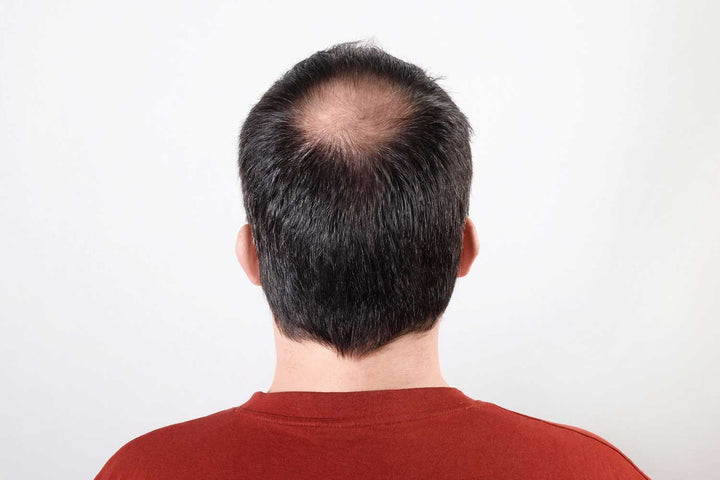
Celiac disease also clusters with other autoimmune conditions, including thyroid disease and alopecia areata. Smooth round patches point more toward alopecia areata than a simple nutrient-related shed.
Symptoms that make testing more relevant
- Chronic diarrhea, bloating, abdominal pain, or constipation
- Unexplained iron-deficiency anemia
- Weight loss, fatigue, mouth ulcers, or bone problems
- An intensely itchy blistering rash called dermatitis herpetiformis
- A first-degree relative with celiac disease
- Type 1 diabetes or autoimmune thyroid disease
Some adults have few digestive symptoms, so persistent unexplained deficiency can be an important clue.
How celiac disease is tested
Serology commonly begins with tissue transglutaminase IgA plus a total IgA level. Additional tests may be selected for IgA deficiency or unclear results. Diagnosis often includes small-intestinal biopsy, depending on age and clinical context.
Continue eating gluten until testing is complete unless a clinician directs otherwise. Starting a strict gluten-free diet first can lower antibodies and allow intestinal healing, creating a misleading result.
Hair-focused evaluation
A clinician may check a blood count, ferritin and iron studies, folate, B12, vitamin D, zinc, thyroid function, and other measures based on diet and symptoms. Our guide to ferritin and hair loss explains why low iron stores require context, while the vitamin B12 guide covers absorption risk and confirmatory testing.
A dermatologist can determine whether the loss is diffuse shedding, pattern hair loss, alopecia areata, or breakage. Celiac disease and a separate common hair disorder can coexist.
Does a gluten-free diet reverse hair loss?
For confirmed celiac disease, strict lifelong gluten avoidance allows intestinal healing and is the essential treatment. Hair can recover when nutrient status and inflammation improve, but visible regrowth takes months. Accidental gluten exposure, incomplete nutritional replacement, or an additional diagnosis can delay improvement.
A gluten-free diet is not a general hair-growth strategy for people without celiac disease or another proven gluten-related condition. It can become nutritionally limited if poorly planned.
Supplement safety
Replace deficiencies with guidance because dose and duration depend on severity and absorption. Noophoric Hair+ can provide general daily nutritional support, but it is not a celiac treatment. Confirm that any supplement fits your gluten-avoidance requirements and does not duplicate prescribed nutrient doses.
When to seek care
Ask for medical evaluation if diffuse shedding accompanies digestive symptoms, anemia, weight change, fatigue, or a family history of celiac disease. Prompt care is also important for smooth patches, scalp inflammation, or shedding that continues despite treated celiac disease.
Frequently asked questions
Can celiac disease cause hair loss without stomach symptoms?
Yes. Some people present with anemia, fatigue, or other non-digestive features.
How long until hair grows back?
Shedding may take months to settle after treatment, and density recovery often takes six to twelve months or longer.
Should I stop gluten as a test?
No. Speak with a clinician and complete appropriate testing while still consuming gluten.
Bottom line
Celiac disease can affect hair indirectly through malabsorption and autoimmunity. Confirm the diagnosis before changing diet, correct specific deficiencies, and check for a second hair-loss condition when recovery is incomplete.
Evidence reviewed September 2026. This article is educational and is not a substitute for individualized medical diagnosis or treatment.
*These statements have not been evaluated by the Food and Drug Administration. This product is not intended to diagnose, treat, cure, or prevent any disease.
Sources
The information on noophoric.com is for informational and educational purposes only and is not intended to be medical advice. Readers should consult with a qualified healthcare professional before making changes to diet, nutrition, supplementation, medication, or lifestyle.