
GLP-1 Hair Loss: Why Shedding Can Happen During Weight Loss

Hair loss can occur during treatment with GLP-1 medicines such as semaglutide or tirzepatide, especially when weight loss is rapid. The usual pattern appears to be diffuse shedding rather than permanent follicle destruction. Reduced calorie and protein intake, nutrient gaps, physical stress, and the rate of weight change may all contribute.
Current prescribing information and newer clinical research recognize hair loss as a reported adverse event in weight-management trials. That does not prove the medicine directly damages follicles. In many cases, the pattern resembles telogen effluvium, a delayed shift in the hair cycle after metabolic stress or substantial weight loss.
What current evidence says
The 2026 U.S. prescribing information for Wegovy lists hair loss among common adverse reactions and notes that hair-loss events in injection trials were associated with weight reduction. Zepbound trial data have also reported hair loss, with a higher frequency among female participants than male participants in pooled weight-management studies.
A 2026 systematic review and a separate meta-analysis found a signal between GLP-1 receptor agonist use and hair-loss reports. The research is still developing. Studies differ in medication, dose, population, amount of weight loss, and how hair loss was identified. The evidence does not yet establish one single mechanism for every patient.
Why weight loss can trigger shedding
Hair is not essential for immediate survival, so the body can temporarily shift resources away from growth during significant physiological stress. When more follicles enter the resting phase, shedding often becomes noticeable two to three months later.
Possible contributors during GLP-1 treatment include:
- Rapid or substantial weight loss
- Eating too few calories for an extended period
- Low protein intake due to reduced appetite
- Iron, zinc, vitamin D, or other nutrient gaps
- Nausea, vomiting, or food intolerance that limits intake
- The physical and emotional stress of major body change
Our article on diet and hair loss explains why total energy and protein matter alongside vitamins and minerals.
What GLP-1-related hair loss looks like
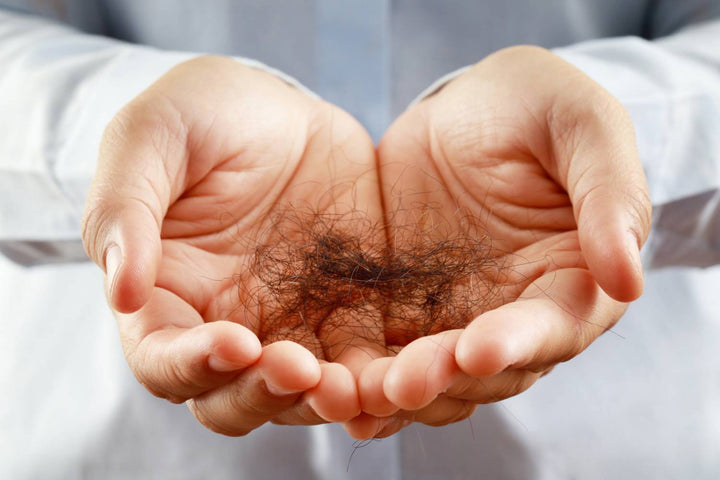
Telogen effluvium usually causes increased shedding across the scalp. People often notice more hair in the shower, brush, sink, or vacuum rather than one sharply defined bald spot. The part may look wider simply because density has dropped everywhere.
Shedding often begins several weeks to a few months after the trigger. The timing can be confusing because it may start after the most rapid phase of weight loss has already passed.
Patchy loss, scalp pain, redness, heavy scale, broken hairs, or a steadily receding hairline may point to another condition. GLP-1 treatment can also reveal pattern hair loss that was already developing. A dermatologist can distinguish diffuse shedding from follicle miniaturization.
Do not stop your medicine on your own
GLP-1 medicines may be prescribed for obesity, cardiovascular risk reduction, or diabetes. Abruptly stopping or changing the dose without the prescriber can affect appetite, blood sugar, weight, and the condition being treated.
Contact the prescribing clinician and describe the timing, rate of weight loss, eating pattern, gastrointestinal symptoms, and amount of shedding. The clinician can decide whether the dose, pace of weight loss, nutrition plan, or medical workup should change.
How to support hair during GLP-1 weight loss
Prioritize protein
Smaller portions make it easier to miss protein. Include a meaningful protein source at each meal or snack, such as fish, poultry, eggs, Greek yogurt, cottage cheese, tofu, tempeh, beans, or a suitable protein supplement. A dietitian can help set an individualized target.
Avoid extreme calorie restriction
Faster weight loss is not always better. A sustainable pace, enough fluid, and adequate micronutrients can reduce unnecessary physiological stress. Report persistent vomiting or inability to eat to the prescriber.
Test when the history supports it
A clinician may consider a complete blood count, ferritin and iron measures, thyroid tests, or selected nutrient testing. Iron should not be started at high doses without a reason. Read our guide to ferritin testing and hair loss for context.
Use supplements as nutritional support
A balanced formula can help cover daily nutrient intake when appetite is reduced, but it cannot replace protein, sufficient calories, or a medical diagnosis. Avoid stacking multiple products with high doses of vitamin A, selenium, zinc, or iron.
Noophoric Hair+ is formulated with vitamins, minerals, and other ingredients to support healthy-looking hair and normal hair strength.* Review the label with your clinician or pharmacist, especially if you take other supplements or medications.
Handle shedding hair gently
Gentle care does not stop telogen effluvium at the follicle, but it can reduce breakage while density recovers. Limit tight styles, aggressive brushing, repeated bleach, and high heat. Use conditioner and detangle from the ends upward.
How long can recovery take?
If the main trigger is corrected, shedding often slows over several months. New growth then needs time to become visible. Because scalp hair grows slowly, fullness can take six to twelve months or longer to recover.
Monthly photos are more useful than daily checks. Use the same lighting and part. Our explanation of how fast hair grows can help set realistic expectations.
When to get medical help
Ask for an evaluation if shedding is severe, continues beyond six months, or comes with fatigue, weakness, heavy bleeding, numbness, persistent gastrointestinal symptoms, or other signs of deficiency. See a dermatologist sooner for patches, scalp inflammation, pain, scarring, or eyebrow loss.
Frequently asked questions
Does Ozempic cause hair loss?
Ozempic contains semaglutide, but it is approved for diabetes indications rather than chronic weight management. Hair-loss reports have been studied more directly in weight-management trials of semaglutide products. Rapid weight loss and reduced intake may contribute, so discuss shedding with the prescriber rather than assuming one cause.
Does Wegovy cause hair loss?
Current U.S. Wegovy prescribing information lists hair loss among common adverse reactions and states that hair-loss events in injection trials were associated with weight reduction. Individual risk varies.
Does Zepbound cause hair loss?
Hair loss was reported in Zepbound weight-management trials. It appeared more frequently in female participants than male participants in pooled studies. Ask the prescriber how the trial data apply to your situation.
Will hair grow back while I continue treatment?
It may, especially if the shedding reflects temporary telogen effluvium and calorie, protein, and nutrient intake improve. Persistent or progressive thinning needs evaluation because another type of hair loss may be present.
The bottom line
GLP-1-related hair loss is a real reported concern, but it is often connected to weight reduction and the stresses surrounding rapid change. Protect nutrition, involve the prescribing clinician, rule out other causes, and allow several months for the hair cycle to recover.
Sources
- U.S. Food and Drug Administration. Wegovy prescribing information. 2026.
- U.S. Food and Drug Administration. Zepbound prescribing information. 2025.
- Gupta AK, et al. GLP-1 therapies and hair loss: A systematic review. 2026.
- Cheng PL, et al. GLP-1 receptor agonists and hair loss: A systematic review and meta-analysis. 2026.
- Kang DH, et al. Telogen Effluvium Associated With Weight Loss. 2024.
Evidence reviewed September 2026. This article is educational and is not a substitute for individualized medical diagnosis or treatment.
*These statements have not been evaluated by the Food and Drug Administration. This product is not intended to diagnose, treat, cure, or prevent any disease.


The information on noophoric.com is for informational and educational purposes only and is not intended to be medical advice. Readers should consult with a qualified healthcare professional before making changes to diet, nutrition, supplementation, medication, or lifestyle.