
Hair Loss After Illness or Fever: Timeline and Regrowth

Hair loss after a fever, infection, surgery, or other illness is often telogen effluvium, a temporary increase in diffuse shedding that usually begins two to three months after the trigger. The delay is normal for the hair cycle and explains why shedding may start after you feel physically recovered.
COVID-19 brought more attention to post-illness shedding, but the same pattern can follow influenza, pneumonia, severe gastrointestinal illness, hospitalization, high fever, surgery, or another major stress on the body.
Why hair falls after an illness
Most scalp follicles are actively growing at any moment. A significant physiological stress can shift more of them into the resting phase. Those hairs remain in place for a while before they release, which creates the characteristic delay.
The trigger may include fever, inflammation, reduced calorie intake, weight loss, sleep disruption, emotional stress, medication changes, or several factors together. The illness does not have to be life-threatening. Susceptibility differs from person to person.
The typical timeline
- Trigger: Fever, infection, surgery, hospitalization, or another major stress occurs.
- Quiet interval: Hair may look normal for several weeks.
- Shedding phase: Diffuse loss becomes noticeable around two to three months later.
- Stabilization: Shedding often slows over three to six months once the trigger has resolved.
- Visible recovery: New growth appears, but full density may take six to twelve months or longer.
This timeline is approximate. A prolonged illness, repeated infections, continued weight loss, low iron, or another active trigger can extend the process.
What post-illness shedding looks like
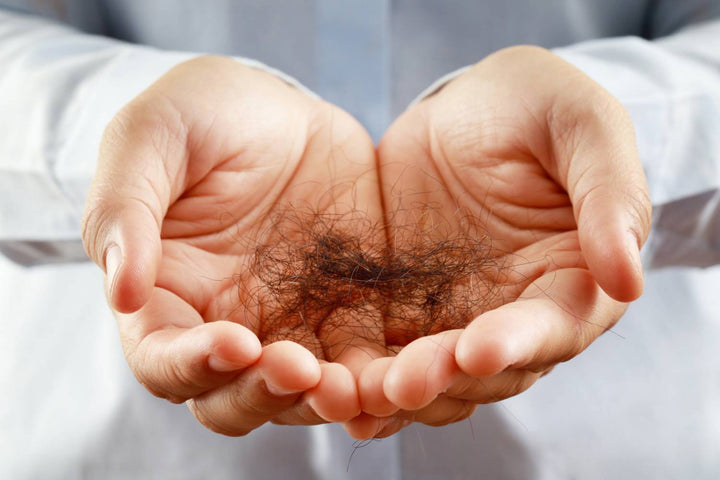
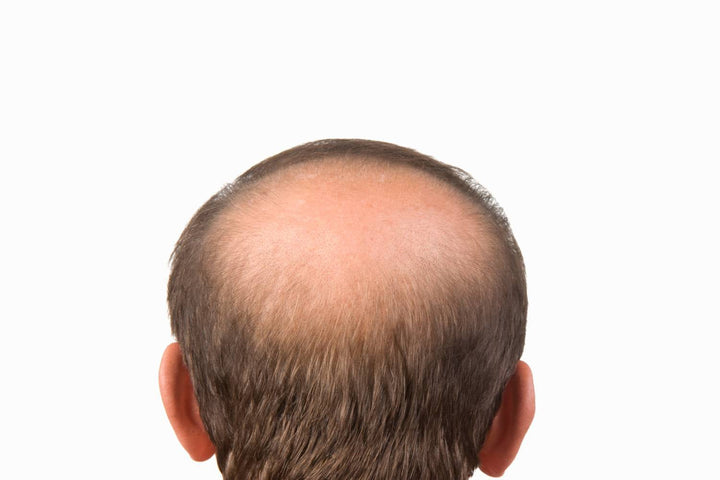
Telogen effluvium usually affects the entire scalp. You may notice more complete strands during washing, detangling, or styling. The ponytail can feel smaller and the part can look wider, but there are usually no smooth round bald patches.
Our guide to excessive hair shedding explains how diffuse loss differs from breakage and patterned thinning.
Hair loss after COVID-19
The American Academy of Dermatology describes temporary shedding after COVID-19 as most often related to fever or the stress of illness. It commonly begins a few months after recovery. COVID-19 may also coincide with a flare of alopecia areata in susceptible people, which produces a different patchy pattern.
Do not assume every post-COVID change is telogen effluvium. Persistent scalp symptoms, distinct patches, or progressive patterned thinning need evaluation.
What to do during recovery
Make sure the original trigger has resolved
Continue medical follow-up for ongoing fever, fatigue, breathing problems, gastrointestinal symptoms, or other complications. Hair recovery can be delayed if the body remains under stress.
Rebuild regular nutrition
Aim for adequate calories and a protein source at each meal. Include iron-rich foods, fruits, vegetables, whole grains, legumes, nuts, seeds, dairy or fortified alternatives, and healthy fats as appropriate.
After a long illness, appetite may be low. Smaller protein-rich meals or guidance from a registered dietitian can help. Read how diet and rapid weight change affect hair for a more detailed plan.
Test selectively
If shedding is substantial or recovery is slow, a clinician may consider a complete blood count, ferritin and iron measures, thyroid testing, or selected nutrient tests. Testing depends on symptoms and history, not a universal panel.
Handle the hair gently
Washing does not cause telogen effluvium. It releases hairs that were already ready to shed. Continue normal cleansing, use conditioner, detangle gently, and reduce tight styles, bleach, and high heat while density is lower.
Avoid panic purchases
Hair changes lag behind the trigger, and recovery also lags behind improved health. Switching shampoos or starting several high-dose supplements at once makes it difficult to know what helped and can create new risks.
Can supplements help?
Supplements are most useful for filling nutritional gaps. They do not force telogen hairs back into growth immediately. Avoid high-dose iron unless testing and clinical advice support it, and remember that high-dose biotin can interfere with some laboratory tests.
Noophoric Hair+ provides daily vitamins, minerals, and other ingredients to support healthy-looking hair and normal hair strength.* It can complement adequate food intake during recovery, but it does not treat infection or another medical cause of hair loss.
When treatment may be needed
Classic acute telogen effluvium often improves once the trigger resolves. A dermatologist may discuss treatment if shedding is prolonged, if pattern hair loss becomes apparent, or if another diagnosis is found. Do not start minoxidil simply because hair fell after an illness without discussing whether ongoing use makes sense.
When to see a dermatologist
Arrange an evaluation when:
- Shedding continues beyond six months
- Density keeps worsening rather than stabilizing
- Loss occurs in smooth patches
- The scalp burns, hurts, scales heavily, or develops pustules
- Eyebrows or eyelashes are also affected
- You have fatigue, heavy bleeding, unexplained weight change, or other systemic symptoms
Multiple conditions can occur together. Telogen effluvium may reveal inherited pattern hair loss that was previously difficult to notice.
Frequently asked questions
How long after a fever does hair fall out?
Diffuse shedding often begins about two to three months after the fever or illness. The exact timing varies.
How long does post-COVID hair loss last?
Many cases improve over several months, with regrowth becoming visible after shedding slows. Continued loss beyond six months deserves evaluation for persistent triggers or another diagnosis.
Should I wash my hair less during shedding?
No. Washing releases resting hairs that were already ready to detach. Infrequent washing can make each wash-day shed look more dramatic because several days of loose hairs come out together.
Can telogen effluvium become permanent?
Acute telogen effluvium is generally reversible. Chronic triggers can prolong shedding, and the episode can reveal coexisting pattern hair loss. Scarring disorders are different and require prompt diagnosis.
The bottom line
Hair loss after fever or illness often begins with a delay and improves gradually once health and nutrition recover. Use the timeline to identify the trigger, support adequate intake, avoid aggressive hair care, and seek a dermatologist if the pattern is patchy, inflamed, prolonged, or progressively worse.
Sources
- American Academy of Dermatology. Can COVID-19 cause hair loss?
- Telogen Effluvium. StatPearls. Updated 2026.
- Malkud S. Telogen Effluvium: A Review.
- American Academy of Dermatology. Hair loss diagnosis and treatment.
Evidence reviewed September 2026. This article is educational and is not a substitute for individualized medical diagnosis or treatment.
*These statements have not been evaluated by the Food and Drug Administration. This product is not intended to diagnose, treat, cure, or prevent any disease.

The information on noophoric.com is for informational and educational purposes only and is not intended to be medical advice. Readers should consult with a qualified healthcare professional before making changes to diet, nutrition, supplementation, medication, or lifestyle.