
How Often Can You Dye Hair? Timing, Damage, and Root Touch-Ups

How often you can dye hair without excessive damage depends on the service. Refreshing a temporary color is very different from bleaching the same lengths again. Hair condition, product strength, overlap, heat, and chemical history matter more than a single rule such as every four or six weeks.
The safest strategy is to process only the area that needs it, avoid unnecessary overlap, and postpone color when the hair or scalp shows signs of damage.
Root touch-ups
Permanent root color is often scheduled as new growth becomes visible, commonly several weeks apart. The key is to apply it to the new growth rather than repeatedly pulling oxidative dye through previously colored lengths. Overlap can increase porosity and breakage without improving the root result.
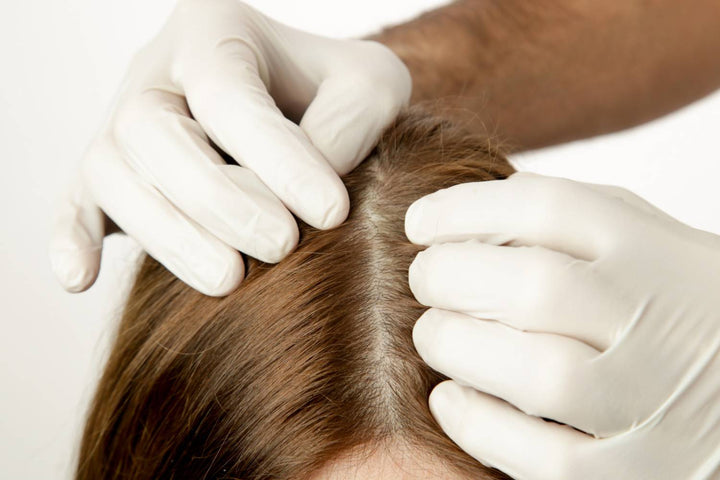
If the scalp is irritated, scratched, sunburned, or inflamed, postpone the service. The FDA also advises following the product directions about waiting after bleaching, relaxing, or perming.
Permanent color through the lengths
Permanent dye uses oxidation chemistry to alter pigment inside the hair shaft. Reapplying it to the full length at every root appointment can progressively weaken the strand. Use a deposit-only gloss or color-refreshing conditioner on faded lengths when appropriate instead of repeating permanent color automatically.
Bleach and highlights
Bleach has the greatest potential for structural damage because it oxidizes natural and artificial pigment while affecting proteins and lipids. There is no universally safe interval for rebleaching. A stylist should assess elasticity, porosity, existing overlap, and whether the target can be reached without processing fragile sections again.
If hair is gummy when wet, snapping, or covered with short broken pieces, stop lightening. Read what can realistically help bleached hair damage.
Demi-permanent and semi-permanent color
Demi-permanent color usually uses a lower-strength developer than permanent color but still involves oxidation. Semi-permanent direct dyes generally deposit color without lifting natural pigment. They may be refreshed more often, but frequent washing, heat, and manipulation used around the process can still dry fragile hair.
Temporary color and color conditioners
Temporary sprays, rinses, and color-depositing conditioners mostly coat the surface. They create less structural change, but they can stain porous hair, cause buildup, or trigger allergy. Follow the label and patch-test when instructed.
Signs you should wait longer
- Hair stretches excessively or feels gummy when wet
- New split ends and white breakage points are increasing
- The scalp burns, flakes, or has open areas
- Hair tangles severely even after conditioner
- A strand test breaks or becomes mushy
- You recently had an incompatible relaxer, perm, or smoothing service
How to extend color safely
- Use lukewarm rather than very hot water.
- Shampoo the scalp with a gentle product appropriate for your oil level.
- Condition the lengths after washing.
- Reduce repeated flat ironing and curling.
- Protect hair from prolonged ultraviolet exposure.
- Use a deposit-only product for faded tone when compatible.
Do not avoid needed scalp cleansing just to preserve color. Oil, sweat, and dandruff still require appropriate care.
Patch testing every time
Allergy can develop after previous uneventful use. The FDA recommends performing the label's skin test before every dye application, wearing gloves, timing the process, and avoiding eyebrows and eyelashes. Seek urgent care for facial swelling, trouble breathing, or a severe widespread reaction.
If a result needs correction, start with our guide to removing hair dye without severe damage rather than layering bleach immediately.
The practical answer
Touch up new growth when needed and when the scalp is healthy. Refresh lengths with the least aggressive compatible method. Rebleach only after a professional assessment shows the hair can tolerate it. The calendar is secondary to the chemistry and condition of the strand.
Noophoric Hair+ combines vitamins, minerals, botanicals, and amino acids to support fuller, stronger, healthier-looking hair.
Further reading
Sources
This article is educational and is not a substitute for individualized medical advice.


The information on noophoric.com is for informational and educational purposes only and is not intended to be medical advice. Readers should consult with a qualified healthcare professional before making changes to diet, nutrition, supplementation, medication, or lifestyle.