
Uneven Hairline: Normal Asymmetry, Hair Loss, and Treatment

A slightly uneven hairline is usually normal facial and scalp asymmetry. Concern increases when one side is changing, the temples are progressively receding, short broken hairs appear along a tension point, or the scalp shows redness, scale, pain, or scarring.
Normal hairline asymmetry
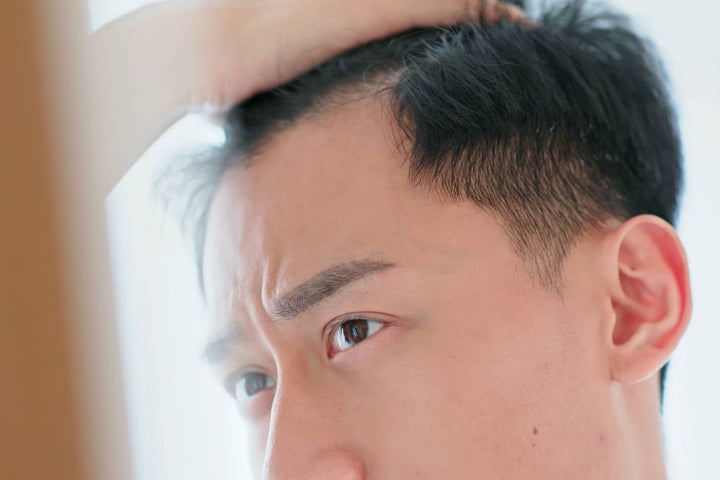
Faces are not perfectly symmetrical, and neither are hairlines. Cowlicks, widow's peaks, temple shape, skull contour, density, and the direction of growth can make one side look higher even when follicles are healthy.
Compare standardized photographs over months rather than relying on a mirror angle or daily inspection.
Maturing hairline versus pattern loss
Some men develop modest temple recession after adolescence as the juvenile hairline matures. Androgenetic alopecia tends to progress, often with miniaturized hairs, deeper temple recession, or thinning at the crown.
Genetics can come from both sides of the family. Learn more in our guide to genetic hair loss and hormones.
Traction alopecia
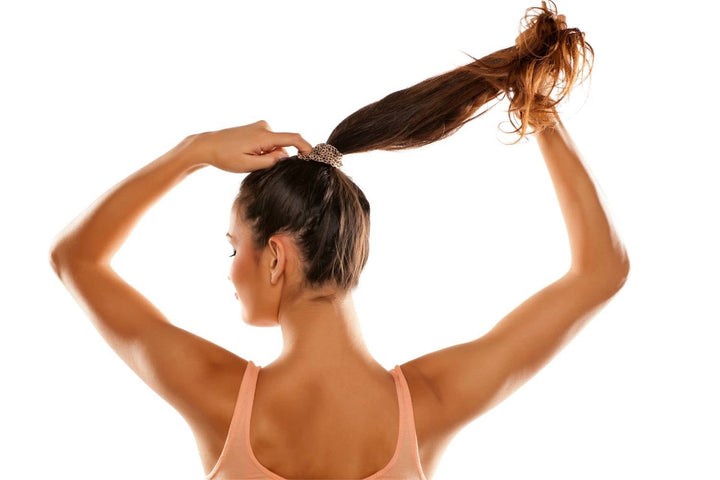
Tight braids, ponytails, buns, extensions, locs, wigs, helmets, or repeated pulling can thin the edge unevenly. Early signs include pain, stinging, bumps, broken hairs, and a receding area where tension is greatest.
Remove the tension promptly. Long-standing traction can scar follicles and become permanent.
Breakage at the hairline
Edges are exposed to brushing, heat, adhesive, bleach, sweat, and friction. Short uneven pieces may be broken shafts rather than hairs lost from follicles. Look for frayed ends and varied lengths.
Our guide to hair breakage explains how to protect fragile edges.
Alopecia areata and other conditions
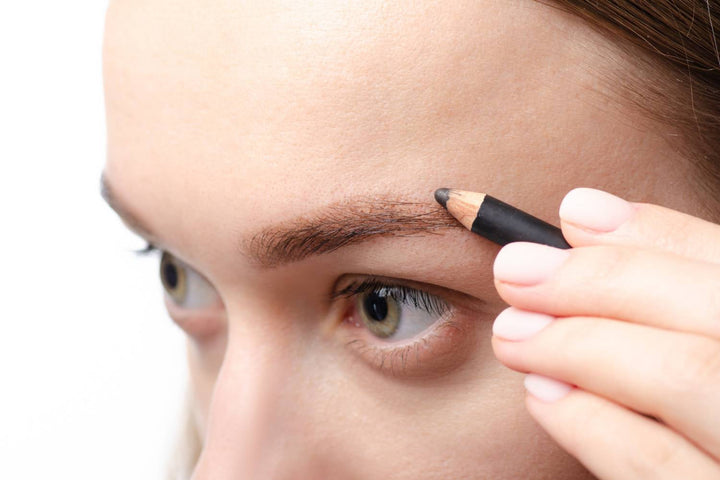
A smooth, sharply defined patch can be alopecia areata. Fungal infection may cause scale and broken hairs. Frontal fibrosing alopecia can create a smooth receding band with eyebrow loss and scalp symptoms. Inflammatory or scarring conditions need early dermatologist evaluation.
When to seek care
- Visible progression over three to six months
- Sudden patches or clumps of shedding
- Pain, burning, itch, scale, pus, or crust
- Loss of follicle openings or shiny scarred skin
- Eyebrow, eyelash, beard, or body-hair changes
- Associated fatigue, weight change, menstrual change, or illness
How a dermatologist evaluates it
The evaluation may include history, a pull test, dermoscopy, photographs, and examination of the rest of the scalp and body. Blood tests are selected based on symptoms. A biopsy is sometimes needed when scarring alopecia is suspected.
Treatment by cause
Pattern loss: minoxidil, finasteride for appropriate men, supervised oral options, light devices, PRP, or transplantation may be considered. Traction: remove tension and treat inflammation early. Alopecia areata: corticosteroids and immune-directed therapies may be used. Breakage: reduce friction, heat, and chemical stress.
Cosmetic ways to balance the hairline
A different part, haircut, hair fibers, edge powder, or careful styling can reduce visible asymmetry. Avoid concealers or adhesives that inflame the skin. Transplantation or scalp micropigmentation may be options after the cause is stable.
Monitoring at home
- Photograph the front and both temples in the same lighting.
- Keep the camera distance, wetness, and hairstyle consistent.
- Repeat monthly, not daily.
- Record new symptoms, medications, illness, weight loss, and styling tension.
Support hair quality
Noophoric Hair+ combines vitamins, minerals, botanicals, and amino acids to support fuller, stronger, healthier-looking hair as part of a complete routine.* It does not replace diagnosis of a changing hairline.
Frequently asked questions
Can sleeping on one side cause recession?
Ordinary sleep position is unlikely to cause progressive follicle miniaturization. Repeated friction can contribute to breakage, but pattern recession needs a broader assessment.
Can a hairline grow back?
Early pattern or traction loss may improve with timely treatment. Scarred follicles are less likely to recover, which is why early evaluation matters.
Bottom line
Mild asymmetry is normal. Progressive change, miniaturization, tension, smooth patches, symptoms, or scarring deserves evaluation. Standardized photos and early diagnosis are more useful than measuring the hairline every day.
Further reading
Sources
- American Academy of Dermatology. Hairstyles that pull can cause hair loss.
- American Academy of Dermatology. Hair-loss diagnosis and treatment.
- Androgenetic alopecia: an update. 2023.
Evidence reviewed August 2026. This article is educational and is not a substitute for individualized medical diagnosis or treatment. *These statements have not been evaluated by the Food and Drug Administration. Noophoric products are not intended to diagnose, treat, cure, or prevent any disease.
The information on noophoric.com is for informational and educational purposes only and is not intended to be medical advice. Readers should consult with a qualified healthcare professional before making changes to diet, nutrition, supplementation, medication, or lifestyle.