
Itchy Scalp and Hair Loss: Causes and When to Seek Care

An itchy scalp can contribute to breakage through scratching, but the underlying condition is usually more important than the scratching itself. Dandruff, seborrheic dermatitis, psoriasis, eczema, product allergy, head lice, fungal infection, and inflammatory alopecia are common possibilities. Treating the cause usually protects hair better than simply suppressing itch.
Common causes of itch with shedding or thinning
Dandruff and seborrheic dermatitis
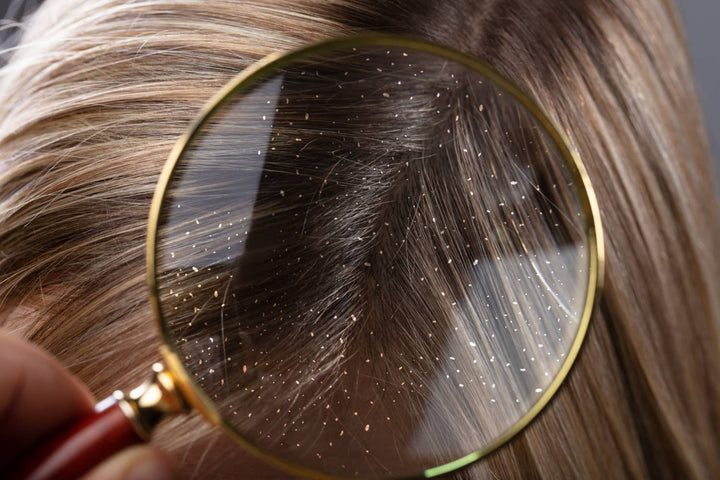
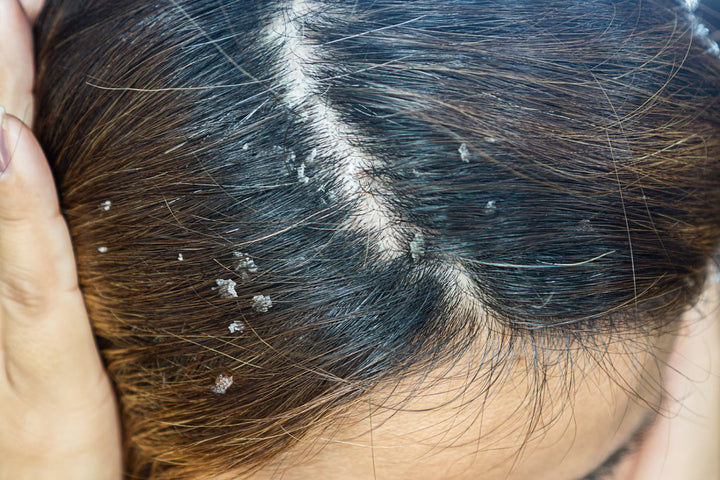
Dandruff and seborrheic dermatitis cause flaky, sometimes greasy scale with itch. Hair loss is usually temporary and related to inflammation or scratching rather than permanent follicle destruction. Anti-dandruff ingredients such as ketoconazole, selenium sulfide, zinc pyrithione, or salicylic acid may help when used as directed.
Psoriasis and eczema
Scalp psoriasis creates thicker, well-defined scale that may extend beyond the hairline. Eczema can be dry, inflamed, and sensitive. Picking scale or using harsh removal methods can break hair. Prescription treatment may be needed.
Allergic contact dermatitis
Hair dye, fragrance, preservatives, essential oils, adhesives, and styling products can trigger redness, swelling, or itch. Reactions may begin after prior uneventful use. Patch testing can identify the allergen.
Fungal infection
Tinea capitis can cause scale, broken hairs, tender areas, or swollen lymph nodes. It is more common in children but also affects adults. Oral antifungal medication is usually required because shampoo alone cannot reliably clear infection inside follicles.
When itch may signal scarring
Burning, pain, pustules, scale tightly surrounding individual hairs, and smooth areas without follicle openings can signal scarring alopecia. Hair loss can become permanent if inflammation destroys follicles. Review the warning signs of scarring hair loss and seek dermatology care promptly when they are present.
What to stop doing
- Do not scratch with nails or use sharp tools to lift scale.
- Pause new oils, serums, dyes, and fragranced products if symptoms followed their use.
- Avoid tight styles on inflamed skin.
- Do not share combs, hats, or pillows if lice or fungal infection is possible.
- Do not rely on oil alone for a suspected infection.
A sensible first approach
Look for scale, redness, bumps, sores, and the distribution of symptoms. A mild flaky scalp may respond to an over-the-counter dandruff shampoo used according to its label, with enough contact time before rinsing. Rotate only when needed and condition the lengths to reduce dryness.
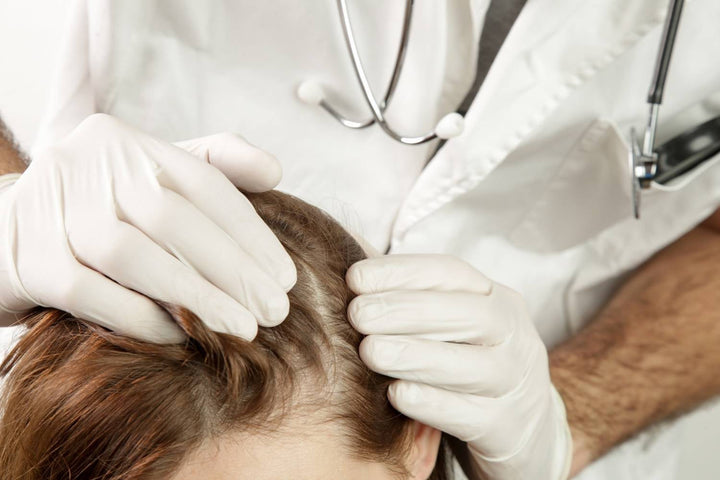
See a clinician if the itch is severe, lasts more than a few weeks, spreads, disrupts sleep, or accompanies hair loss. A dermatologist may examine scrapings, use dermoscopy, perform patch testing, culture a pustule, or take a biopsy depending on the signs.
Can supplements help?
A nutrient deficiency can coexist with scalp disease, but supplements do not treat fungus, psoriasis, allergy, or scarring inflammation. Noophoric Hair+ can support a daily nutrition routine for healthy-looking hair while the scalp condition receives appropriate care.
Frequently asked questions
Can dandruff make hair fall out?
It can increase temporary shedding or breakage when inflammation and scratching are significant, but uncomplicated dandruff does not usually scar follicles.
Does an itchy scalp mean hair is growing?
No. Itch is not a dependable sign of regrowth. It more often reflects irritation, inflammation, or nerve sensation.
Should I oil an itchy scalp?
Not automatically. Oil can soothe dryness, but heavy oils may aggravate seborrheic dermatitis or obscure infection. Match care to the diagnosis.
Bottom line
Itch plus hair loss deserves more than a generic oil or serum. Identify whether the cause is flaky inflammation, allergy, infection, traction, or scarring disease. Rapidly progressive loss, pain, pustules, or disappearing follicle openings require prompt care.
Evidence reviewed September 2026. This article is educational and is not a substitute for individualized medical diagnosis or treatment.
*These statements have not been evaluated by the Food and Drug Administration. This product is not intended to diagnose, treat, cure, or prevent any disease.
Sources
The information on noophoric.com is for informational and educational purposes only and is not intended to be medical advice. Readers should consult with a qualified healthcare professional before making changes to diet, nutrition, supplementation, medication, or lifestyle.