
Obesity and Low Testosterone: A Two-Way Relationship

Direct answer: Obesity and low testosterone can reinforce each other. Excess visceral fat, insulin resistance, inflammation, sleep apnea, and lower SHBG can reduce measured total testosterone and suppress reproductive signaling. Low testosterone can also make it harder to preserve muscle and manage body composition. The relationship is real, but weight, symptoms, free testosterone, and repeat testing must be interpreted together.
This does not mean every man with obesity has hypogonadism or that testosterone is the main cause of weight gain. It means metabolic health and reproductive hormones share several pathways.
The encouraging part is that functional obesity-related low testosterone often improves when weight, sleep apnea, fitness, and metabolic health improve.
Key takeaways
- Obesity commonly lowers SHBG and total testosterone.
- Severe obesity can suppress LH signaling as well.
- Weight loss often raises total and free testosterone.
- Testosterone treatment is not a substitute for treating obesity or sleep apnea.
Why this may affect testosterone
Adipose tissue influences insulin sensitivity, inflammatory signaling, estrogen metabolism, sleep-disordered breathing, and the hypothalamic-pituitary-gonadal axis. Low SHBG can make total testosterone appear lower even when free testosterone is less affected.
As obesity becomes more severe, the pattern can shift from an SHBG issue to true functional suppression of the axis. The typical result is low testosterone with LH that is low or not appropriately elevated.
What human research shows
Large reviews consistently find an association between obesity and lower testosterone. Meta-analytic evidence also shows that weight loss through diet or bariatric surgery can raise total and free testosterone, with larger changes often occurring in men who begin with higher BMI and lower values.
The response is not identical in every man. Age, sleep apnea, diabetes, medications, the amount of weight lost, and the testing method influence the result.
Why the relationship can feel like a cycle
Lower testosterone can make maintaining lean mass more difficult, while reduced muscle and activity can worsen insulin resistance. Poor sleep can increase appetite and reduce training quality. The resulting weight gain can further suppress the axis.
Breaking the cycle does not require solving every factor at once. A sustained calorie plan, resistance training, adequate protein, sleep-apnea treatment, and gradual fitness gains can improve several pathways together.
What the evidence does not prove
BMI does not measure visceral fat, muscle mass, or individual health. A muscular man and a sedentary man can share a BMI while having different risks. Likewise, low total testosterone in obesity may partly reflect low SHBG rather than severe free-testosterone deficiency.
How to turn an association into a useful experiment
Research on obesity and low testosterone: a two-way relationship often reports an average association. A practical personal test is more controlled: change one major behavior, keep the rest of the routine reasonably stable, and track sleep, energy, libido, training, waist, and body weight for several weeks.
This does not prove causation, but it gives better information than changing diet, training, alcohol, caffeine, supplements, and bedtime at the same time. Use changes that improve overall health even if the testosterone number moves less than expected.
The foundations still work together
Healthy testosterone is supported by a system rather than one habit. Sleep influences appetite and recovery. Body composition affects insulin sensitivity and SHBG. Training helps preserve muscle. Adequate calories, protein, dietary fat, carbohydrate, and micronutrients keep that training recoverable.
A daily supplement routine can complement those foundations, but consistency is easier to evaluate when the foundations are not changing wildly from week to week. Persistent or severe symptoms still deserve proper medical testing.
What to do in the real world
Start with repeat morning testosterone testing, SHBG and free testosterone when indicated, waist and blood-pressure assessment, A1c or glucose evaluation, and sleep-apnea screening. Pair the laboratory work with a realistic weight and resistance-training plan.
- Aim for sustainable weight loss rather than crash dieting.
- Preserve muscle with resistance training and adequate protein.
- Treat snoring and daytime sleepiness as possible sleep-apnea clues.
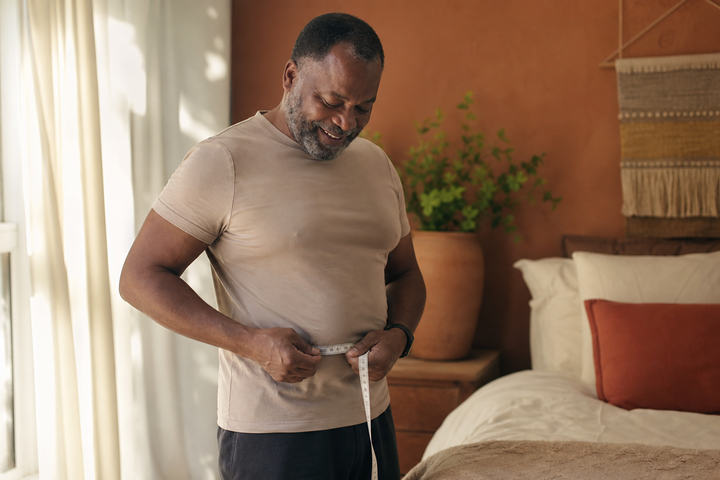
- Track waist, strength, sleep, and symptoms along with weight.
When testing or medical evaluation makes sense
A confirmed low result can be followed with LH, FSH, prolactin, and targeted evaluation. Testing during an aggressive diet or acute illness can be misleading.
When to seek medical care
Chest pain, severe shortness of breath, fainting, or symptoms of uncontrolled diabetes needs urgent medical care.
Bottom line
Obesity-related low testosterone is often a metabolic and sleep problem as much as a hormone problem. Treat the whole system and use repeat total plus free testosterone to judge whether a separate endocrine disorder remains.
Frequently asked questions
Does belly fat lower testosterone?
Visceral fat is associated with insulin resistance, inflammation, sleep apnea, and hormonal changes that can lower testosterone.
Will testosterone automatically rise after weight loss?
It often rises, especially in men with obesity, but the amount varies and other causes may remain.
Can low testosterone cause weight gain?
It can affect lean mass and fat distribution, but weight gain is usually multifactorial.
Related reading
References
- Andrology. Testosterone changes gained from weight loss in men with obesity: meta-analysis.
- Nutrition Reviews. Calorie restriction and testosterone in men: systematic review and meta-analysis.
- JAMA. Adult Male Hypogonadism: A Review. 2026.
- Endocrine Society. Testosterone Therapy in Men With Hypogonadism clinical practice guideline.
Evidence reviewed August 2026. This article is educational and is not a substitute for individualized medical diagnosis or treatment.

The information on noophoric.com is for informational and educational purposes only and is not intended to be medical advice. Readers should consult with a qualified healthcare professional before making changes to diet, nutrition, supplementation, medication, or lifestyle.