
Protein Deficiency and Hair Loss: Intake, Signs, and Recovery

Inadequate protein or severe calorie restriction can trigger diffuse hair shedding because follicles reduce growth when the body lacks building material and energy. Risk is highest with crash diets, eating disorders, food insecurity, malabsorption, bariatric surgery, serious illness, and recovery plans that do not meet protein needs. The answer is adequate nutrition, not unlimited protein.
Why hair needs protein
Hair shafts are made largely of keratin, a protein. Follicles also contain rapidly dividing cells that require amino acids and energy. When intake is severely inadequate, more follicles can shift into the resting phase, leading to telogen effluvium weeks or months later.
Who is most at risk?
- People losing weight rapidly on very-low-calorie diets
- Patients after bariatric or gastrointestinal surgery
- People with chronic digestive or kidney disease
- Older adults with low appetite
- Vegans or vegetarians eating too few total calories or limited protein sources
- Athletes under-fueling relative to training
- Anyone with an eating disorder or prolonged illness
Signs intake may be too low
Hair shedding can occur with unintentional weight loss, muscle loss, weakness, poor wound healing, swelling, or frequent illness. Mild under-fueling may present more subtly. A diet history and overall health matter more than one symptom.
How much protein do you need?
The general adult Recommended Dietary Allowance is 0.8 grams per kilogram of body weight per day, but that is a population minimum and individual needs can be higher with age, activity, pregnancy, illness, or recovery. Kidney and liver conditions may require personalized targets. People after an operation should also review the specific risks in post-bariatric hair loss.
A registered dietitian can translate a target into meals. Spreading protein across the day is often easier than trying to eat most of it at dinner.
High-quality food choices
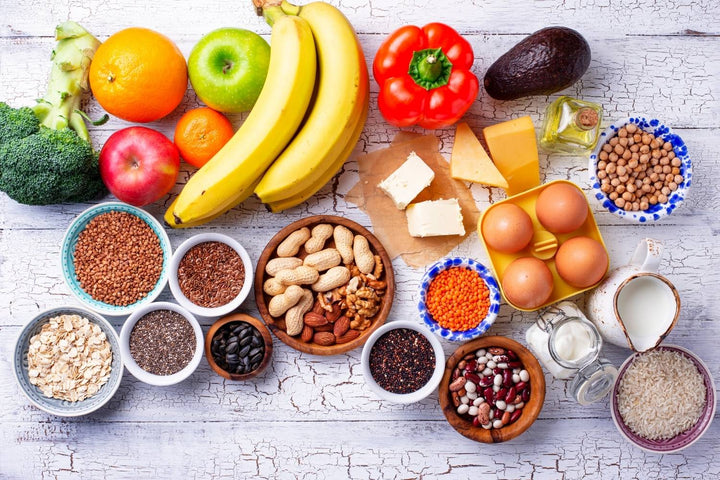
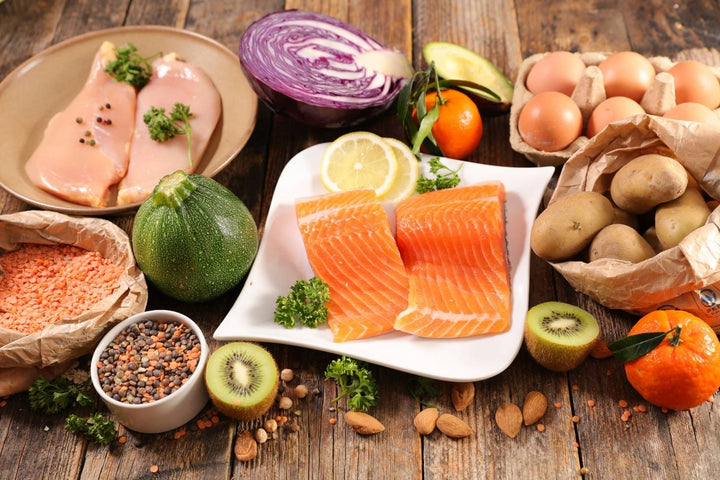
Eggs, dairy, fish, poultry, lean meat, soy foods, beans, lentils, peas, nuts, seeds, and whole grains can all contribute. Plant-based diets can meet needs by providing variety and enough total energy. Protein powders are convenient but not automatically superior to food. The broader diet and hair-growth guide explains how energy and micronutrients interact.
Testing and diagnosis
Albumin alone is not a sensitive test of ordinary dietary protein intake because inflammation, liver function, hydration, and illness affect it. Clinicians combine weight history, dietary intake, physical findings, and labs targeted to the clinical problem.
Protein deficiency can coexist with low iron, zinc, or other nutrients. Our hair-loss blood test guide explains why the workup should be selective.
How recovery unfolds
After adequate intake returns and the trigger resolves, shedding may take several months to slow. Short tapered regrowth appears before density feels restored. If loss remains focused at the temples or crown, pattern hair loss may also be present.
Where a hair supplement fits
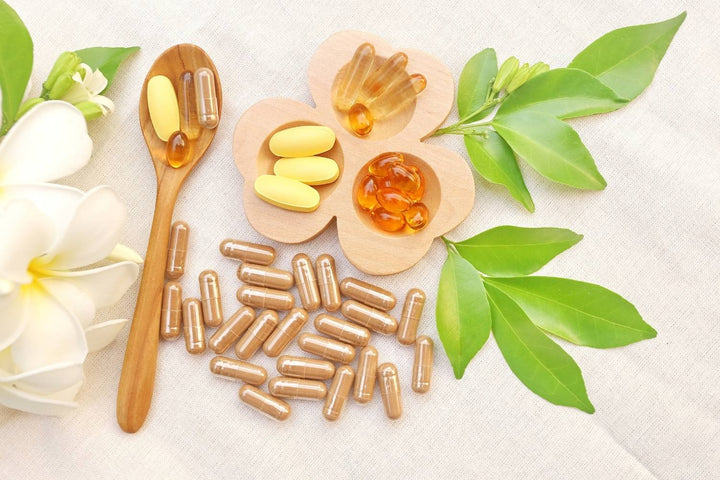
Supplements cannot compensate for insufficient calories or protein. Food intake and treatment of malabsorption come first. Noophoric Hair+ can provide daily micronutrient support for healthy-looking hair within a complete diet, but it is not a protein replacement or a treatment for malnutrition.
Frequently asked questions
Will eating more protein make hair grow faster?
Correcting inadequate intake can support recovery. Eating far beyond your needs has not been shown to accelerate normal hair growth.
Can weight-loss drugs contribute?
Rapid weight loss, low intake, and illness related to treatment can trigger shedding. The medication and nutrition plan should be reviewed rather than stopped abruptly.
Are collagen powders enough?
Collagen is not a complete protein. It can contribute amino acids but should not replace varied complete or complementary protein sources.
Bottom line
Protein-related shedding reflects an intake or health problem, not a need for endless hair products. Restore adequate energy and protein with professional guidance when needed, then give follicles several months to cycle back.
Evidence reviewed September 2026. This article is educational and is not a substitute for individualized medical diagnosis or treatment.
*These statements have not been evaluated by the Food and Drug Administration. This product is not intended to diagnose, treat, cure, or prevent any disease.
Sources
The information on noophoric.com is for informational and educational purposes only and is not intended to be medical advice. Readers should consult with a qualified healthcare professional before making changes to diet, nutrition, supplementation, medication, or lifestyle.