
Spironolactone for Female Hair Loss: Results and Side Effects

Spironolactone is an oral prescription medicine that dermatologists often use off-label for female pattern hair loss, particularly when androgen sensitivity, acne, or hirsutism is part of the picture. It may reduce shedding and improve density over time, but results take months and monitoring is individualized. It must not be used during pregnancy.
How spironolactone may help hair
Spironolactone blocks androgen receptors and reduces androgen production through several mechanisms. That can lessen the effect of androgens on susceptible follicles. It is also a diuretic approved for conditions such as high blood pressure and heart failure, which explains several of its side effects.
Who may be a candidate?
A dermatologist may consider it for women with confirmed female pattern hair loss, especially when there is acne, excess facial hair, irregular menstruation, or PCOS-related hair loss. Normal blood androgen levels do not automatically rule out benefit because follicle sensitivity also matters.
It is not a treatment for telogen effluvium alone, fungal infection, alopecia areata, or active scarring alopecia.
What results to expect
Spironolactone is better viewed as a long-term stabilization treatment than a rapid regrowth drug. Reduced shedding may appear first. Density changes often need six to twelve months to judge. Dermatologists may combine it with topical or oral minoxidil because they work through different pathways.
Systematic reviews suggest many women improve or stabilize, but studies vary in dose, combinations, and outcome measures. Response is not guaranteed.
Common side effects
- More frequent urination
- Lightheadedness or lower blood pressure
- Breast tenderness
- Irregular menstrual bleeding
- Fatigue or headache
High potassium is an important potential risk, particularly with kidney disease, heart disease, older age, certain blood-pressure medicines, potassium supplements, or salt substitutes containing potassium.
Pregnancy and contraception
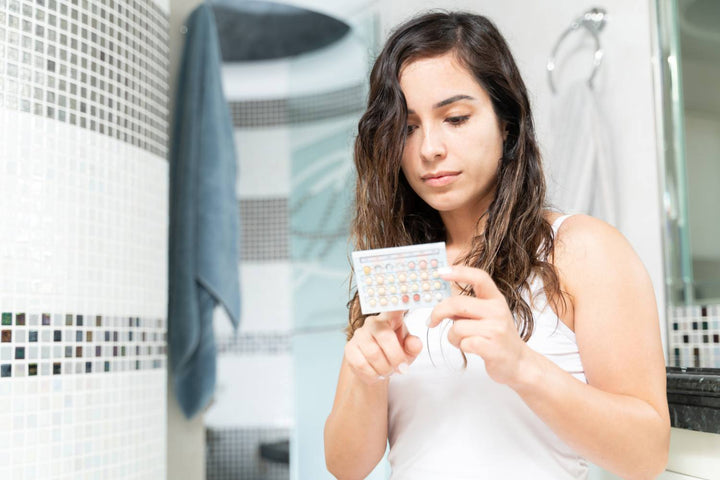
Spironolactone can affect sexual development of a male fetus and is avoided during pregnancy. People who can become pregnant need a reliable plan discussed with the prescriber. Tell the clinician if pregnancy is planned so treatment can be changed safely. Hormonal contraception can itself alter shedding in some people, so share any birth-control and hair-loss history.
Monitoring
Clinicians review blood pressure, kidney function, potassium risk, medicines, and supplements. Potassium testing practices differ for healthy younger women versus patients with risk factors. Never add potassium supplements or potassium-based salt substitutes without checking.
Hair care and nutrition
Medication works best inside a complete plan that reduces traction and corrects true deficiencies. Noophoric Hair+ can provide daily nutritional support for healthy-looking hair, but review its minerals and all other supplements with the prescriber. It does not replace spironolactone or pregnancy precautions.
When to call the prescriber
Report fainting, marked weakness, irregular heartbeat, severe vomiting or diarrhea, very low blood pressure symptoms, or signs of an allergic reaction. Also report pregnancy or plans to conceive. Do not change the dose because hair seems unchanged at one month.
Frequently asked questions
Does spironolactone work without high testosterone?
It may. Female pattern loss can involve follicle sensitivity despite normal blood tests.
Will hair fall out after stopping?
Benefits generally depend on continued treatment. The underlying pattern can resume after discontinuation.
Can men use spironolactone for hair loss?
Systemic spironolactone is generally avoided for male pattern loss because of antiandrogen effects such as breast enlargement and sexual side effects.
Bottom line
Spironolactone is a common off-label option for female pattern loss and can be valuable for the right patient. Expect a months-long trial, discuss pregnancy prevention, and tailor potassium and kidney monitoring to individual risk.
Evidence reviewed September 2026. This article is educational and is not a substitute for individualized medical diagnosis or treatment.
*These statements have not been evaluated by the Food and Drug Administration. This product is not intended to diagnose, treat, cure, or prevent any disease.
Sources

The information on noophoric.com is for informational and educational purposes only and is not intended to be medical advice. Readers should consult with a qualified healthcare professional before making changes to diet, nutrition, supplementation, medication, or lifestyle.