
Low Testosterone Symptoms: Signs, Testing, and Causes

Possible signs of low testosterone include reduced sex drive, fewer spontaneous erections, erectile problems, infertility, loss of body hair, reduced muscle mass, low bone density, and unexplained anemia. Fatigue, low mood, poor concentration, and weight gain can also occur, but those symptoms have many other causes.
A diagnosis requires both compatible symptoms and consistently low testosterone measured accurately on separate mornings. One symptom or one low result is not enough.
What low testosterone means
Medical testosterone deficiency, also called male hypogonadism, occurs when the testes do not produce enough testosterone, the brain does not send the appropriate signals, or both. It can affect sexual function, sperm production, body composition, bone, red blood cells, and well-being.
Testosterone varies throughout the day and from one day to another. Illness, poor sleep, calorie restriction, certain medications, and even eating before a test can temporarily lower the result. That is why accurate diagnosis takes more than a single blood draw.
Sexual and reproductive signs
Lower sex drive
A meaningful drop in sexual interest is one of the more specific symptoms, especially when it is new and persistent. Relationship stress, depression, medication, sleep loss, and other health problems can also reduce libido.
Fewer spontaneous or morning erections
Reduced spontaneous erections can accompany low testosterone. Erectile dysfunction during sexual activity is less specific because blood-vessel disease, diabetes, nerve problems, medication, and anxiety are common causes.
Infertility
Testosterone inside the testes is necessary for sperm production. However, taking prescription testosterone can suppress the signals that support sperm and reduce fertility. Men who want children should read our guide to testosterone and male fertility before considering hormone treatment.
Physical signs
- Reduced muscle mass or strength
- Increased body fat
- Loss of body or facial hair
- Breast tenderness or enlargement
- Smaller testes
- Low bone density or fractures
- Hot flashes in severe deficiency
- Unexplained low red-blood-cell count
Changes in muscle and fat are gradual and strongly influenced by training, protein intake, sleep, age, and health. Our article on testosterone and muscle growth explains why hormone status is only one part of body composition.
Energy, mood, and cognitive symptoms
Low testosterone can contribute to reduced energy, irritability, low mood, poor motivation, or difficulty concentrating. These are weak diagnostic signals by themselves. Sleep apnea, anemia, thyroid disease, depression, diabetes, medication side effects, and overtraining may look similar.
If fatigue is the main concern, use our guide to low testosterone, energy, and fatigue to build a broader evaluation plan.
Common causes
Primary hypogonadism
Primary hypogonadism begins in the testes. Causes can include genetic conditions such as Klinefelter syndrome, testicular injury or torsion, infection, chemotherapy, radiation, or loss of testicular tissue. Luteinizing hormone and follicle-stimulating hormone are often elevated because the brain is trying to stimulate the testes.
Secondary hypogonadism
Secondary hypogonadism begins in the hypothalamus or pituitary. Causes can include pituitary tumors, high prolactin, iron overload, opioid or glucocorticoid use, severe obesity, sleep disorders, undernutrition, or major illness. LH and FSH may be low or inappropriately normal.
Does testosterone normally fall with age?
Total and free testosterone often decline as men get older, while illness, weight gain, sleep disruption, and medication use can accelerate the change. Age alone does not prove hypogonadism or justify treatment. Symptoms and repeat testing still matter.
Read our full guide to testosterone and aging for a practical explanation of what is normal and what deserves evaluation.
How testosterone should be tested
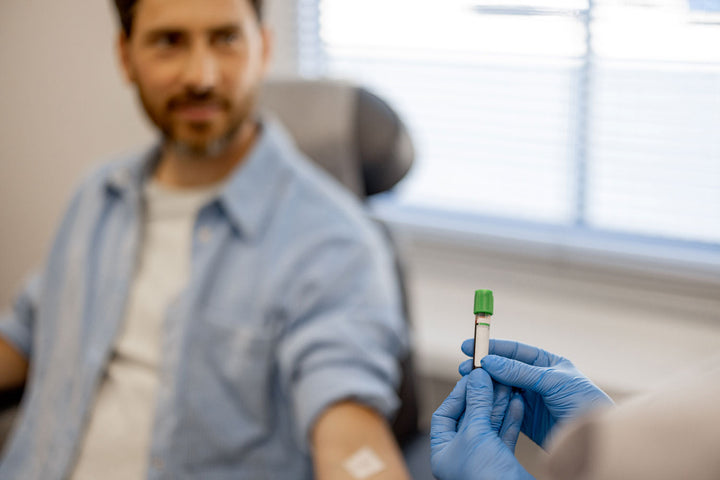
Current Endocrine Society guidance recommends at least two early-morning, fasting total-testosterone measurements using an accurate assay. Testing on separate days reduces the chance of diagnosing a temporary fluctuation.
Free testosterone may be helpful when total testosterone is near the lower limit or when a condition changes sex hormone-binding globulin. Depending on the result and symptoms, a clinician may also check LH, FSH, prolactin, iron studies, thyroid function, blood count, metabolic health, or pituitary function.
When to seek care promptly
Seek medical evaluation for severe headache or vision changes, a testicular lump, sudden testicular pain, delayed puberty, infertility, unexplained fracture, severe hot flashes, or major loss of sexual function. These findings can point to a cause that needs more than lifestyle support.
Supporting healthy testosterone naturally
Resistance training, adequate calories and protein, sufficient sleep, weight management, and treatment of sleep apnea or metabolic disease can support the conditions in which normal hormone function operates. Avoid chronic crash dieting and extreme training without recovery.
Micronutrients such as zinc, magnesium, and vitamin D are important for normal physiology. Correcting a deficiency is useful, but taking more than needed does not guarantee a higher testosterone level.
Noophoric Men’s+ combines standardized botanicals and essential nutrients, including KSM-66 ashwagandha, tongkat ali, fenugreek, Coleus forskohlii, boron, zinc, vitamin D3, and vitamin K2, to support healthy testosterone, drive, and energy as part of a complete routine.* It is not a treatment for diagnosed hypogonadism.
Frequently asked questions
Can I diagnose low testosterone from symptoms?
No. Symptoms guide testing, but diagnosis requires consistently low measurements and clinical evaluation.
What time should testosterone be tested?
Early morning is standard because levels are usually highest then. Current guidance also favors fasting and repeat testing on a separate day.
Can poor sleep lower testosterone?
Sleep disruption and sleep disorders can affect hormone signaling. Treating sleep problems is important whether or not testosterone is low.
Does erectile dysfunction always mean low testosterone?
No. Vascular disease, diabetes, medications, nerve problems, and anxiety are common causes. Testosterone testing may be one part of the evaluation.
Bottom line
The most useful low-testosterone clues are persistent sexual, reproductive, and physical changes, especially when several occur together. Fatigue or low mood alone is not specific. Confirm the pattern with two accurate morning tests and investigate the cause before choosing treatment or supplements.
Further reading
- Evidence-based ways to support testosterone naturally
- Testosterone replacement therapy: benefits and risks
Sources
- Endocrine Society. Statement on testosterone replacement therapy. 2026.
- Endocrine Society clinical practice guideline for testosterone therapy in men with hypogonadism.
Evidence reviewed August 2026. This article is educational and is not a substitute for individualized medical diagnosis or treatment. *These statements have not been evaluated by the Food and Drug Administration. Noophoric products are not intended to diagnose, treat, cure, or prevent any disease.


The information on noophoric.com is for informational and educational purposes only and is not intended to be medical advice. Readers should consult with a qualified healthcare professional before making changes to diet, nutrition, supplementation, medication, or lifestyle.