
Winter Hair, Skin, and Nail Care: Preventing Dryness and Damage

Winter exposes hair, skin, and nails to cold wind, low outdoor humidity, and dry heated air indoors. Hot showers and frequent handwashing add more water loss. A good winter routine focuses on barrier protection, gentle cleansing, and reducing friction rather than collecting seasonal products.
Dryness is common, but persistent rash, painful cracks, scalp plaques, or sudden hair and nail changes may reflect a medical condition rather than weather alone.
Winter hair care
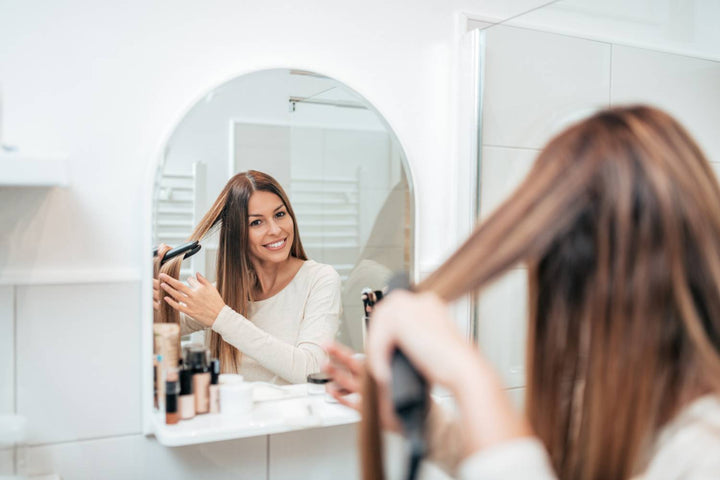
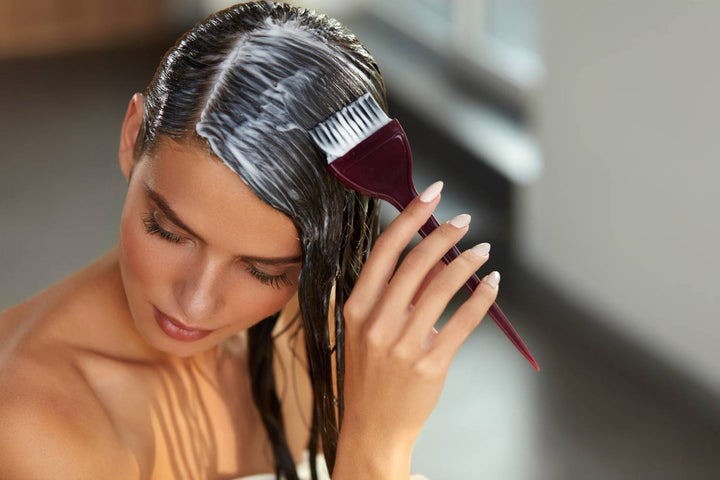
Hair does not become dehydrated in exactly the same way living skin does, but low humidity, static, hats, wind, and heat styling can increase roughness and tangling. Condition after shampoo, apply a small amount of leave-in to the ends, and reduce direct high heat.
Blot wet hair instead of rubbing it. Make sure hair is dry before spending prolonged time in freezing conditions, and use a smooth hat lining or satin scarf to reduce friction. Tight winter hats can break hairs around the hairline if they pull or rub continuously.
For detailed prevention, follow our guide to reducing heat damage.
Dry scalp versus dandruff
A dry scalp may improve with a gentler shampoo and less hot water. Dandruff and seborrheic dermatitis are associated with oil, yeast, inflammation, and recurrent scale. They often need an anti-dandruff shampoo rather than more oil.
If flakes are greasy, yellowish, very itchy, or accompanied by redness, do not assume the scalp only needs moisture. A dermatologist can distinguish dandruff, psoriasis, eczema, and contact allergy.
Winter skin care
- Keep showers warm rather than hot and limit the time.
- Use a gentle, fragrance-free cleanser on areas that need it.
- Pat the skin dry, leaving it slightly damp.
- Apply a cream or ointment within minutes.
- Use a humidifier if indoor air is very dry and clean it regularly.
- Continue broad-spectrum sunscreen on exposed skin.
Creams and ointments usually reduce water loss better than thin lotions. Look for ingredients such as petrolatum, ceramides, glycerin, or hyaluronic acid. Fragrance-free is preferable to unscented for sensitive skin because unscented products may contain masking fragrance.
Hands and lips
Apply hand cream after washing and before bed. Wear gloves for outdoor cold and for wet household work. For lips, use a bland balm or petrolatum and avoid repeatedly licking them. Stop products that sting or contain flavors that trigger irritation.
Winter nail care
Nails can become brittle when they cycle repeatedly between water exposure and dry air. Keep them moderately short, moisturize the nail folds, wear gloves for cleaning, and avoid using nails as tools. Acetone removal and repeated gel services can increase dryness and surface damage.
Dark streaks, painful swelling, separation from the nail bed, or persistent color changes should be examined rather than covered with polish.
Nutrition and hydration
Drink according to thirst and health needs, but extra water alone does not replace topical barrier care. Eat a varied diet with adequate protein, essential fats, iron, zinc, and vitamins. Supplements are most useful when they address a real dietary gap or confirmed deficiency.
Our guide to the best foods for healthy hair growth explains what follicles need without promising a single miracle food.
When to seek help
See a clinician for skin that bleeds or shows infection, severe itch that interrupts sleep, scalp pain, patchy hair loss, or nail changes that persist beyond the season. Winter can worsen eczema, psoriasis, and seborrheic dermatitis, which may need targeted treatment.
Noophoric Hair+ combines vitamins, minerals, botanicals, and amino acids to support fuller, stronger, healthier-looking hair.
Further reading
Related reading
Sources
This article is educational and is not a substitute for individualized medical advice.
The information on noophoric.com is for informational and educational purposes only and is not intended to be medical advice. Readers should consult with a qualified healthcare professional before making changes to diet, nutrition, supplementation, medication, or lifestyle.