
Zinc and Testosterone: Deficiency, Dosage, and Too Much Zinc

Direct answer: Zinc is required for normal reproductive and immune function, and zinc deficiency can reduce testosterone. Supplementation is most likely to help when intake or zinc status is inadequate. More zinc is not automatically more effective: the adult tolerable upper intake level is 40 mg per day from food, supplements, and medications unless a clinician supervises treatment.
Zinc sits in an evidence-supported but often misunderstood category. Correcting a deficiency can improve the physiology that depends on zinc, while repeatedly exceeding needs can cause nausea, copper deficiency, anemia, and neurologic problems.
The useful approach is to add the zinc from every product before deciding whether the total amount is appropriate.
Key takeaways
- Deficiency can lower testosterone.
- Benefits are most plausible when zinc status is low.
- Adult men need about 11 mg per day.
- The adult upper limit is 40 mg per day unless medically supervised.
Why this ingredient is marketed for testosterone
Zinc participates in hundreds of enzymes and is involved in hormone production, sperm function, immune response, wound healing, and protein synthesis. The body does not maintain a large dedicated zinc store, so regular intake matters.
Meat, shellfish, dairy, beans, nuts, and fortified foods can contribute. Phytates in plant foods reduce absorption, although soaking, sprouting, and fermentation can improve it.
What human studies actually found
A systematic review of 38 studies concluded that zinc deficiency is associated with lower testosterone and that supplementation can improve testosterone, with the response influenced by starting zinc and testosterone status, dose, form, and duration.
The clinical evidence is smaller than the animal literature, so the result should be framed as correcting an essential-nutrient gap rather than pushing levels indefinitely higher.
Check the total daily dose
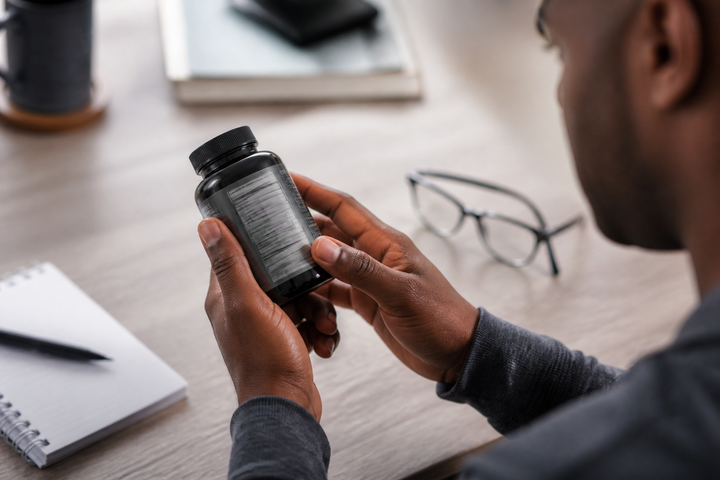
A multivitamin, testosterone-support formula, cold lozenge, immune product, and denture cream can all contribute zinc. The Supplement Facts panel lists elemental zinc, which is the number to total.
Long-term intakes of 50 mg or more can interfere with copper absorption. Quinolone and tetracycline antibiotics and penicillamine also interact with zinc timing.
Evidence limits and product-quality concerns
Serum zinc is an imperfect marker and can change with inflammation, time of day, fasting, and albumin. Hair-mineral tests are not a standard way to diagnose deficiency. A normal diet does not make deficiency impossible, but it lowers the likelihood.
Match the evidence to the exact label
The most useful evidence for zinc and testosterone: deficiency, dosage, and too much zinc matches the ingredient identity, extract, daily dose, population, outcome, and duration. If one of those elements differs, the study may still be relevant, but confidence should be adjusted rather than treated as all-or-nothing.
This is why full label transparency matters. It lets a buyer compare the formula with research, total duplicate nutrients across products, and follow the intended daily serving consistently.
Set expectations that can actually be measured
Choose two or three outcomes before starting, such as morning energy, libido, training performance, sleep quality, or adherence. Review weekly trends rather than asking whether one dose produced a dramatic feeling. Ingredients studied over weeks should be evaluated over a comparable period unless a side effect requires stopping sooner.
Keep the labeled serving, nutrition, training, and sleep reasonably consistent. That creates a fairer evaluation of the formula and makes any medical follow-up easier to interpret.
How to evaluate a supplement more safely
Review food intake and the zinc in every supplement. Use the labeled amount and avoid stacking several high-dose products. If deficiency is suspected because of diet, malabsorption, surgery, or symptoms, obtain medical guidance rather than guessing.
- Keep total intake visible.
- Separate zinc from interacting antibiotics as directed.
- Watch for nausea and stomach upset.
- Consider copper status with prolonged high-dose use under care.
When testing or medical evaluation makes sense
Testosterone deficiency still requires repeat morning testing. Correcting zinc intake does not replace evaluation for pituitary, testicular, metabolic, sleep, or medication causes.
When to seek medical care
Progressive numbness, weakness, poor coordination, severe vomiting, or suspected overdose needs medical evaluation.
Bottom line
Zinc supports normal testosterone biology, and correcting deficiency can matter. The premium approach is an appropriate transparent dose, not the largest number on the label.
Frequently asked questions
How much zinc should a man take for testosterone?
There is no universal testosterone dose. Adult men need about 11 mg daily, and total intake above 40 mg should be medically supervised.
Can zinc raise testosterone if you are not deficient?
The benefit is less predictable when intake and status are already adequate.
Can zinc cause copper deficiency?
Yes. Repeated high intakes can block copper absorption and create anemia or neurologic problems.
Related reading
References
- Journal of Trace Elements in Medicine and Biology. Zinc and testosterone: systematic review.
- NIH Office of Dietary Supplements. Zinc fact sheet for health professionals.
- International Journal of Impotence Research. Do testosterone boosters increase serum testosterone? A systematic review.
- National Center for Complementary and Integrative Health. Using Dietary Supplements Wisely.
Evidence reviewed August 2026. This article is educational and is not a substitute for individualized medical diagnosis or treatment.


The information on noophoric.com is for informational and educational purposes only and is not intended to be medical advice. Readers should consult with a qualified healthcare professional before making changes to diet, nutrition, supplementation, medication, or lifestyle.