
What Makes an Herbal Extract Clinically Studied?

Direct answer: An herbal extract is meaningfully “clinically studied” when the product identifies the same botanical species, plant part, extract or standardization, daily dose, and use duration tested in relevant human research. A study on one branded root extract does not automatically prove that every powder, tincture, or generic extract of the plant will perform the same way.
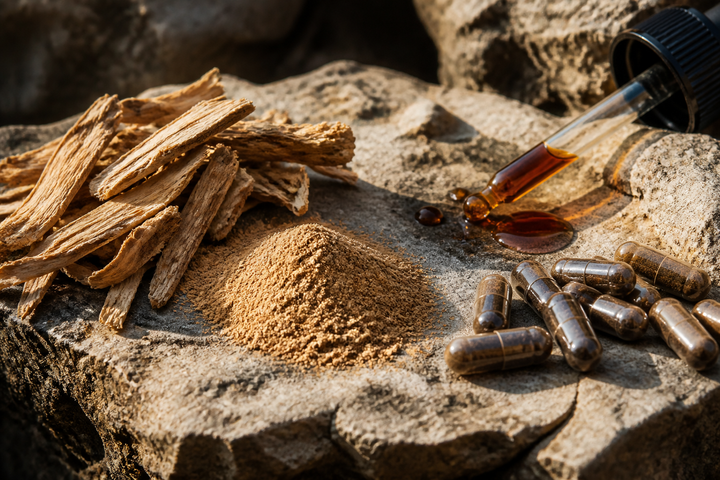
Two labels can both say ashwagandha or Tongkat Ali while containing materially different ingredients. The species may match, but the plant part, extraction solvent, concentration, marker compounds, purity, and daily dose can differ.
The best label makes it possible to compare the formula with the research rather than relying on a large headline.
Key takeaways
- Botanical identity and plant part come first.
- Standardization describes consistency, not guaranteed effectiveness.
- The daily dose should be comparable with the studied amount.
- Human studies on the intended population are more relevant than animal or test-tube research.
Why this ingredient is marketed for testosterone
A standardized extract is manufactured to contain a defined amount of one or more marker compounds. That can improve batch consistency, although the marker may be a quality indicator rather than the sole active component.
A branded ingredient may have identity specifications and a study portfolio. A generic ingredient can also be high quality, but the label and manufacturer need to show what it is.
What human studies actually found
Systematic reviews of men’s supplement ingredients repeatedly find that results differ by ingredient form and study population. Tongkat Ali trials, for example, do not all use identical extracts, while ashwagandha studies often use named standardized preparations.
Regulators do not approve dietary supplements for effectiveness before marketing. Product quality systems and transparent labels are therefore important bridges between published research and the bottle.
A six-part evidence match
- Species: the full Latin botanical name.
- Plant part: root, seed, leaf, or another defined material.
- Extract: branded name, ratio, or manufacturing description.
- Standardization: named marker compounds and percentage when relevant.
- Dose: total daily amount, not just amount per capsule.
- Study fit: human population, outcome, and duration that resemble the intended use.
Evidence limits and product-quality concerns
“Clinically studied” does not mean guaranteed. A statistically significant average result can be modest, population-specific, or based on a small trial. A finished multi-ingredient product also is not identical to a study on one ingredient.
Match the evidence to the exact label
The most useful evidence for what makes an herbal extract clinically studied? matches the ingredient identity, extract, daily dose, population, outcome, and duration. If one of those elements differs, the study may still be relevant, but confidence should be adjusted rather than treated as all-or-nothing.
This is why full label transparency matters. It lets a buyer compare the formula with research, total duplicate nutrients across products, and follow the intended daily serving consistently.
Set expectations that can actually be measured
Choose two or three outcomes before starting, such as morning energy, libido, training performance, sleep quality, or adherence. Review weekly trends rather than asking whether one dose produced a dramatic feeling. Ingredients studied over weeks should be evaluated over a comparable period unless a side effect requires stopping sooner.
Keep the labeled serving, nutrition, training, and sleep reasonably consistent. That creates a fairer evaluation of the formula and makes any medical follow-up easier to interpret.
How to evaluate a supplement more safely
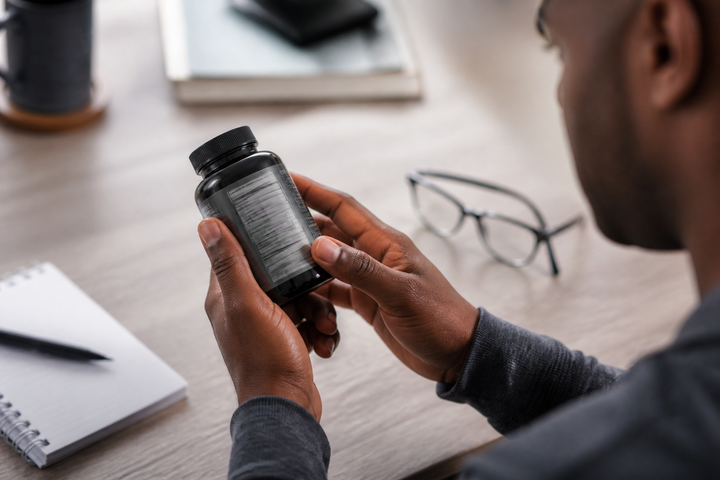
Compare the Supplement Facts panel with the study details. If the label hides doses in a proprietary blend or omits the botanical identity, the evidence match is weaker. Favor full label transparency and a manufacturer that tests identity and contaminants.
- Read the daily serving size.
- Look for named extracts.
- Confirm that the study was in humans.
- Check whether the outcome matches your goal.
- Avoid assuming a higher extraction ratio is automatically better.
Bottom line
A clinically studied extract is not just a familiar herb name. It is a traceable ingredient whose identity, standardization, dose, and evidence meaningfully match.
Frequently asked questions
Does standardized mean clinically proven?
No. Standardization improves consistency. Human trials are still needed to evaluate outcomes.
Are branded extracts better?
They can offer stronger traceability and study matching, but the evidence and quality system still need review.
What does a 10:1 extract mean?
It describes a manufacturing ratio, not a guaranteed potency or clinical result.
References
- Medicina. Eurycoma longifolia and testosterone in men: systematic review and meta-analysis.
- International Journal of Impotence Research. Evidence review of ingredients in testosterone and erectile dysfunction supplements.
- FDA. FDA 101: Dietary Supplements.
- NSF. Dietary supplement and vitamin certification.
Evidence reviewed August 2026. This article is educational and is not a substitute for individualized medical diagnosis or treatment.
The information on noophoric.com is for informational and educational purposes only and is not intended to be medical advice. Readers should consult with a qualified healthcare professional before making changes to diet, nutrition, supplementation, medication, or lifestyle.