
Alcohol and Testosterone: How Dose and Frequency Matter

Direct answer: Alcohol can lower testosterone, especially with heavy, frequent, or binge drinking. It can also raise estradiol, disrupt sleep, impair testicular function, add calories, and reduce training recovery. A single moderate drink is not equivalent to chronic heavy intake, so dose and pattern matter more than an all-or-nothing claim.
Men often focus on a short-term hormone change after one night. The larger issue is the repeated combination of alcohol, reduced sleep quality, poorer food choices, dehydration, and missed training.
Fertility and sexual function can also be affected even when one testosterone test is not dramatically low.
Key takeaways
- Heavy and chronic alcohol use is the clearest concern.
- Binge drinking can disrupt recovery and hormone signaling.
- Alcohol-related sleep loss compounds the effect.
- Reducing intake can improve several testosterone-supporting habits at once.
Why this may affect testosterone
Alcohol can act at the hypothalamus, pituitary, liver, and testes. The liver also influences SHBG and estrogen metabolism. Chronic high intake can damage testicular cells and contribute to nutritional deficiencies.
Alcohol may reduce inhibition in the moment while worsening erections, sleep, and next-day performance. Those effects are separate from testosterone.
What human research shows
A systematic review and meta-analysis of 21 studies and more than 10,000 participants found alcohol intake associated with lower testosterone and higher estradiol. The evidence includes observational studies, so dose reporting and lifestyle confounding remain limitations.
The most consistent harms occur with heavy use. Small acute studies cannot establish that a specific number of drinks has the same hormonal effect in every man.
Questions that matter more than “Does alcohol lower T?”
- How many drinks are consumed per week?
- How often does one occasion become four or more drinks?
- Does alcohol shorten or fragment sleep?
- Does it replace protein-rich food or add a large calorie surplus?
- Does it interfere with medications, mood, blood pressure, or liver health?
What the evidence does not prove
Self-reported alcohol intake is often inaccurate. A normal testosterone test does not prove that drinking is harmless to sleep, fertility, liver health, blood pressure, or cancer risk.
How to turn an association into a useful experiment
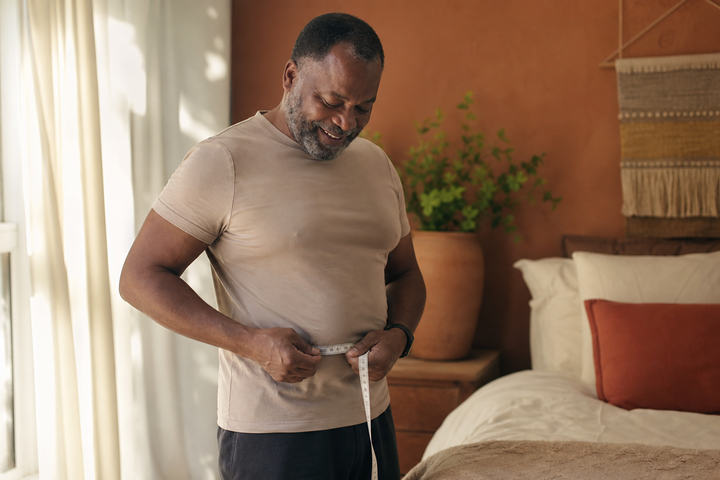
Research on alcohol and testosterone: how dose and frequency matter often reports an average association. A practical personal test is more controlled: change one major behavior, keep the rest of the routine reasonably stable, and track sleep, energy, libido, training, waist, and body weight for several weeks.
This does not prove causation, but it gives better information than changing diet, training, alcohol, caffeine, supplements, and bedtime at the same time. Use changes that improve overall health even if the testosterone number moves less than expected.
The foundations still work together
Healthy testosterone is supported by a system rather than one habit. Sleep influences appetite and recovery. Body composition affects insulin sensitivity and SHBG. Training helps preserve muscle. Adequate calories, protein, dietary fat, carbohydrate, and micronutrients keep that training recoverable.
A daily supplement routine can complement those foundations, but consistency is easier to evaluate when the foundations are not changing wildly from week to week. Persistent or severe symptoms still deserve proper medical testing.
What to do in the real world
If testosterone, body composition, sleep, or fertility is a goal, reduce both weekly intake and binge episodes. Try several alcohol-free weeks and track sleep, morning energy, training, and libido. Seek help if cutting down is difficult or withdrawal is possible.
- Avoid using alcohol as a sleep aid.
- Do not combine it with sedatives or other risky medications.
- Hydration does not cancel the hormonal or sleep effects.
- Use professional support for dependence.
When testing or medical evaluation makes sense
Persistent symptoms can justify properly timed testosterone testing, liver tests, blood count, metabolic evaluation, and fertility assessment according to history.
When to seek medical care
Confusion, seizures, vomiting blood, severe abdominal pain, suicidal thoughts, or alcohol withdrawal symptoms needs urgent care.
Bottom line
The clearest testosterone risk comes from heavy, frequent, and binge drinking. Reducing alcohol can improve sleep, calories, recovery, liver health, and hormone signaling together.
Frequently asked questions
Does one beer lower testosterone?
One drink is unlikely to create chronic hypogonadism. Repeated dose, binge pattern, sleep loss, and overall health matter more.
How long after drinking should testosterone be tested?
Avoid testing after a heavy drinking episode or poor sleep. Return to the usual healthy routine and follow the clinician’s collection instructions.
Can alcohol raise estrogen in men?
Heavy intake can alter liver metabolism and is associated with higher estradiol in research.
Related reading
- Does sleep increase testosterone?
- How to support healthy testosterone naturally
- Stress and testosterone
References
- Alcohol and Alcoholism. Alcohol intake and male reproductive hormones: systematic review and meta-analysis.
- Society for Endocrinology and Association of Clinical Biochemistry. Standardising biochemical confirmation of male hypogonadism.
- Endocrine Society. Testosterone Therapy in Men With Hypogonadism clinical practice guideline.
- JAMA. Adult Male Hypogonadism: A Review. 2026.
Evidence reviewed August 2026. This article is educational and is not a substitute for individualized medical diagnosis or treatment.


The information on noophoric.com is for informational and educational purposes only and is not intended to be medical advice. Readers should consult with a qualified healthcare professional before making changes to diet, nutrition, supplementation, medication, or lifestyle.