
DHT-Blocking Shampoo: Claims, Ingredients, and Realistic Results

DHT-blocking shampoo is a marketing category, not one standardized treatment. A shampoo can cleanse the scalp, control dandruff, and deliver ingredients briefly, but rinse-off contact is limited. Pattern hair loss occurs inside genetically susceptible follicles, so a shampoo should usually be considered supportive care rather than a replacement for established medication.
What DHT does in pattern hair loss
Dihydrotestosterone is made from testosterone by the enzyme 5-alpha-reductase. In genetically susceptible scalp follicles, androgen signaling contributes to progressive miniaturization. Hairs grow shorter and finer over repeated cycles. The same circulating hormone level can produce different hair outcomes because follicle sensitivity and genetics matter.
What a shampoo can realistically do
A well-formulated shampoo can remove oil and buildup, reduce scale, make hair look fuller, and improve the scalp environment. Medicated shampoo may treat seborrheic dermatitis or dandruff. Those effects can reduce scratching and breakage, but they do not prove that the product blocks enough DHT in follicles to stop pattern loss.
Common ingredients
Products may contain ketoconazole, saw palmetto, caffeine, pumpkin seed, rosemary, zinc, niacinamide, or other botanicals. Evidence varies by ingredient, concentration, delivery system, and condition. A multi-ingredient label makes it difficult to know what created any benefit or irritation.
Ketoconazole shampoo
Ketoconazole is an antifungal medication used for dandruff and seborrheic dermatitis. Some hair-loss discussions extend its anti-inflammatory and laboratory effects to pattern regrowth. It may be a useful scalp-care adjunct when dandruff is present, but it should not be described as equivalent to an established systemic DHT-reducing treatment.
Read what ketoconazole shampoo can and cannot do.
Saw palmetto and botanical claims
Saw palmetto is often marketed as a natural 5-alpha-reductase inhibitor. Human hair evidence is less established than for approved or commonly prescribed treatments, and oral forms can interact with medication or be inappropriate in pregnancy. A rinse-off shampoo creates a different exposure from a capsule or leave-on serum.
Caffeine shampoo
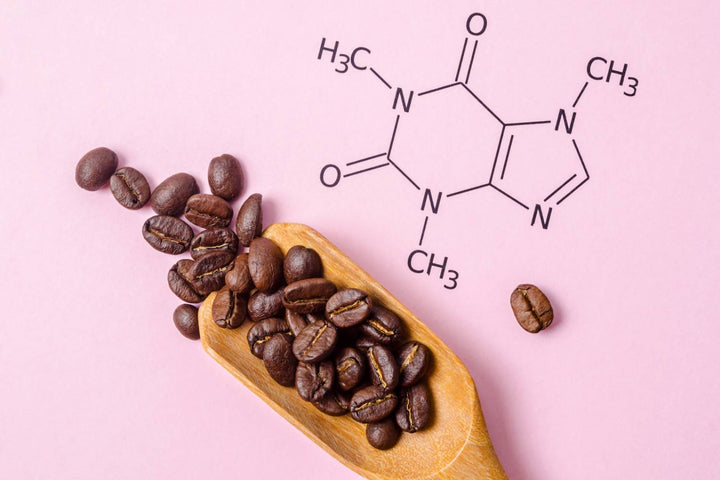
Recent systematic reviews describe topical caffeine as promising but note important limitations in study quality and product standardization. A shampoo's brief contact time may differ from a leave-on solution. Our guide to caffeine shampoo evidence and safety explains the distinction.
How to read the label
- Look for the active ingredient and concentration.
- Check whether the product is rinse-off or leave-on.
- Follow the recommended contact time.
- Do not assume a proprietary blend contains a studied dose.
- Stop for persistent burning, rash, swelling, or worsening scale.
Evidence-based pattern hair-loss treatment
Topical minoxidil is used for pattern hair loss in men and women. Finasteride is FDA-approved for male pattern hair loss and reduces DHT through 5-alpha-reductase inhibition. Other prescription options may be used based on sex, pregnancy potential, age, health, and diagnosis. These treatments require an informed discussion of side effects and long-term use.
Tracking results
Use monthly photographs with the same dry hairstyle, part, lighting, and distance. Judge treatment over the appropriate multi-month timeline. Softer or more voluminous hair can look denser without changing follicle count, so separate cosmetic improvement from regrowth.
Also record which shampoo was used, how often, and whether scalp symptoms changed. If dandruff improves while the hairline continues to recede, that is useful information: the product may be helping the scalp without controlling follicle miniaturization.
When shampoo is not enough
See a dermatologist for a widening part, receding hairline, crown thinning, smooth patches, eyebrow loss, pain, pustules, or scarring. Earlier pattern treatment generally preserves more miniaturizing follicles. Scarring disease needs prompt care for a different reason: permanent damage can occur.
Noophoric Hair+ combines vitamins, minerals, botanicals, and amino acids to support fuller, stronger, healthier-looking hair. It does not replace diagnosis or prescription treatment.
Further reading
Related reading
Sources
This article is educational and is not a substitute for individualized medical advice.

The information on noophoric.com is for informational and educational purposes only and is not intended to be medical advice. Readers should consult with a qualified healthcare professional before making changes to diet, nutrition, supplementation, medication, or lifestyle.