
Green Tea for Hair: Evidence, Caffeine, and Safe Use

Green tea contains caffeine and polyphenols that are biologically interesting, but a homemade green-tea rinse is not a proven treatment for hair loss. Clinical research on standardized topical caffeine products is promising but limited, and it should not be treated as evidence that brewed tea delivers the same dose or follicle exposure.
What is in green tea?
Green tea contains caffeine and catechins, including epigallocatechin gallate. Laboratory studies explore antioxidant, anti-inflammatory, and cell-signaling effects. These findings can generate hypotheses, but they do not tell us whether a household rinse changes hair density in people.
What the caffeine evidence shows
A 2025 systematic review identified nine clinical studies of topical caffeine products. Results generally favored caffeine, but most studies had low or very low certainty because of weak controls, incomplete product details, and inconsistent methods.
Standardized products use known concentrations and delivery systems. Brewed tea varies by leaf, water, temperature, and steeping time. Rinsing it off quickly may not reproduce follicular exposure from a studied formula.
Does drinking green tea grow hair?
There is no strong evidence that ordinary green-tea intake reverses androgenetic alopecia or telogen effluvium. Drinking tea can be part of a healthy diet, but it does not replace diagnosis or an established treatment.
Very high caffeine intake may worsen sleep or anxiety in sensitive people. Because prolonged stress and poor sleep can indirectly affect well-being and hair routines, more is not automatically better.
Possible cosmetic effects of a rinse
A cool, well-strained rinse may temporarily refresh the scalp or change how the hair feels. Tannins can also leave some strands dry, stiff, or dull. Tea does not repair split ends or rebuild lost follicles.
Color-treated, porous, gray, or very light hair may pick up subtle staining from repeated concentrated rinses. Test a hidden section first.
Scalp irritation and allergy
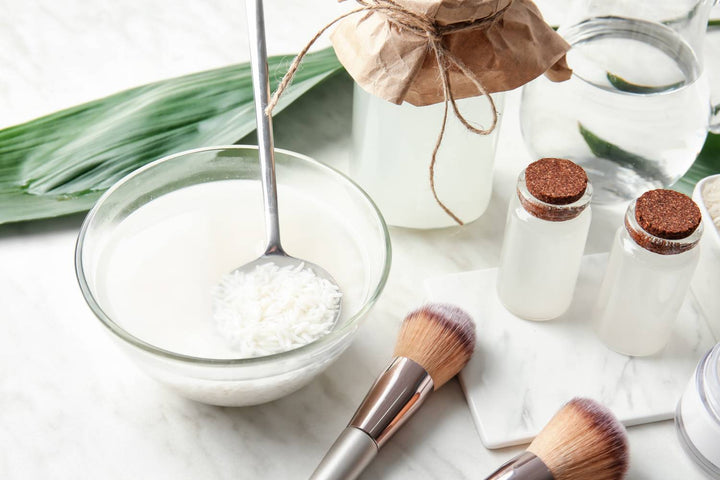
Green tea is not a common scalp allergen, but any botanical can irritate sensitive skin. Homemade water-based preparations also lack standardized preservatives. Prepare small amounts, use them fresh, and discard mixtures with changed smell or appearance.
Do not add undiluted essential oils, lemon juice, or baking soda. Combining multiple irritating ingredients makes it harder to identify the cause of a reaction.
How to try a rinse cautiously
- Brew plain unsweetened tea and let it cool completely.
- Strain out all particles.
- Test a small scalp and hair section first.
- Use brief contact and rinse if hair feels stiff or the scalp tingles.
- Do not store homemade tea at room temperature for repeated use.
- Stop for itching, burning, rash, or increased tangling.
What to use for real thinning
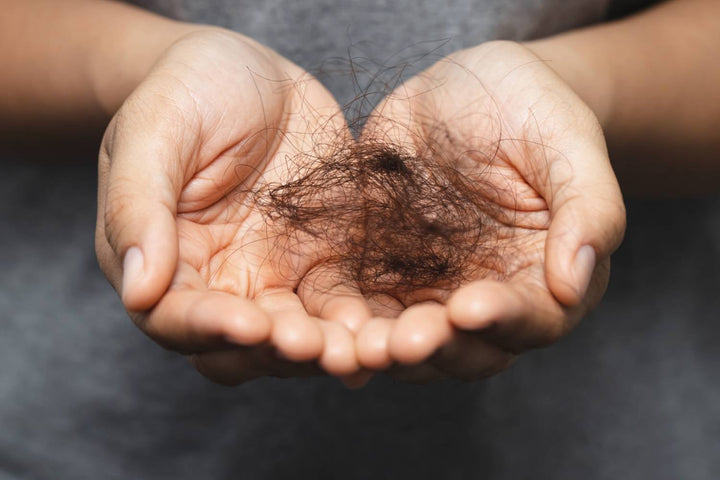
A receding hairline, widening part, smooth patch, or long-lasting shedding deserves a diagnosis. Pattern loss, alopecia areata, telogen effluvium, thyroid disease, medication effects, and nutrient deficiencies require different plans.
Our guide to hair-loss treatments compares established options and adjuncts. Read about scalp health if flakes, itching, or inflammation are the main concern.
Nutrition still matters
Green tea does not supply enough protein, iron, zinc, or other nutrients to correct a deficiency. Noophoric Hair+ combines vitamins, minerals, botanicals, and amino acids to support fuller, stronger, healthier-looking hair as part of a complete routine.*
Frequently asked questions
How often can I use a green-tea rinse?
There is no clinically established schedule. Start no more than once weekly and reduce use if hair becomes stiff, dry, dull, or difficult to detangle.
Is matcha better than brewed tea?
Matcha leaves suspended particles on the scalp and is not proven to improve growth. A powder paste may create more residue and irritation than a strained rinse.
Bottom line
Topical caffeine products have promising but incomplete evidence. That cannot be directly applied to homemade green-tea rinses. A rinse may be pleasant for some users, but it is not a substitute for diagnosis or evidence-based treatment of hair loss.
Further reading
Sources
- Caffeine in cosmetic preparations against hair loss: a systematic review. 2025.
- Caffeine as an active molecule in cosmetic products for hair loss. 2025.
- Green tea in dermatology: review of laboratory and clinical evidence. 2013.
Evidence reviewed August 2026. This article is educational and is not a substitute for individualized medical diagnosis or treatment. *These statements have not been evaluated by the Food and Drug Administration. Noophoric products are not intended to diagnose, treat, cure, or prevent any disease.
The information on noophoric.com is for informational and educational purposes only and is not intended to be medical advice. Readers should consult with a qualified healthcare professional before making changes to diet, nutrition, supplementation, medication, or lifestyle.