
Scalp Health and Hair Growth: What Actually Matters

A healthy scalp supports comfortable hair growth by keeping follicles free from untreated infection, severe inflammation, scarring, and excessive buildup. Scalp care cannot override genetics or create new follicles, but cleansing and treating disease protects the environment in which hair grows.
What a healthy scalp looks and feels like
A healthy scalp can be dry, normal, or oily without being diseased. It should not have persistent pain, burning, pus, sores, thick scale, or shiny scarring.
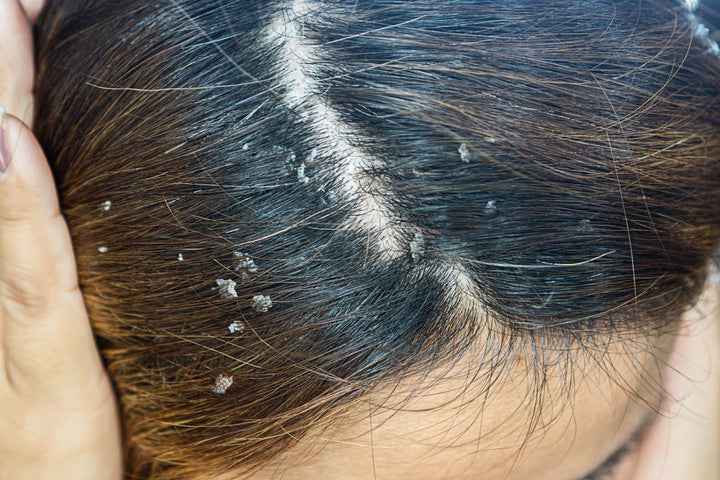
Mild occasional flaking can occur, while repeated itching and greasy scale often suggest dandruff or seborrheic dermatitis.
Why cleansing matters
Sebum, sweat, dead skin, pollution, and styling products accumulate on the scalp. Shampoo removes these materials and helps active dandruff ingredients reach the skin.
Wash based on oil, sweat, hair type, and product use. Straight oily hair may need daily or near-daily cleansing. Tightly curled or dry hair may need less frequent shampooing, with sectioning to reach the scalp effectively.
Does shampooing cause hair loss?
Washing releases hairs that have already detached from follicles. People who wash less often may see several days of normal shedding at once. Shampoo itself is not pulling healthy anchored hairs from the follicle when used normally.
Harsh cleansing and rough handling can dry or break the shaft, so massage the scalp gently and let lather rinse through the lengths.
Dandruff and seborrheic dermatitis
Dandruff causes flaking and often itching. Seborrheic dermatitis can create greasy scale, redness, and inflammation around oil-rich areas.
Anti-dandruff shampoos may contain ketoconazole, zinc pyrithione, selenium sulfide, salicylic acid, or other actives depending on location and product availability. Follow contact-time directions and alternate with a gentle shampoo when needed.
Product buildup
Dry shampoo, oils, waxes, silicones, leave-ins, and styling powders can accumulate. Buildup may cause dullness, itching, flakes, or reduced volume but does not physically plug a follicle into permanent baldness.
Use a clarifying shampoo occasionally when regular cleansing no longer removes the residue. Increase gradually because over-clarifying can dry the hair shaft.
Scalp exfoliation
Salicylic-acid scalp products can loosen scale and buildup. Physical scrubs can create irritation when particles or fingernails abrade the skin.
Skip exfoliation on open sores, active infection, severe psoriasis, or a painful inflamed scalp. Read our guide to scalp exfoliation benefits and risks.
Scalp oils
Oil can reduce dryness and friction for some people, but heavy scalp oiling may worsen seborrheic dermatitis or buildup. Essential oils can cause irritation or allergy when concentrated.
Apply oils mainly to the hair shaft when the scalp is oily or dandruff-prone.
Scalp massage
Gentle massage can feel relaxing and help distribute shampoo. Small studies have explored hair-thickness effects, but massage is not a replacement for evidence-based treatment of pattern loss or alopecia.
Avoid aggressive rubbing that breaks hairs or irritates inflamed skin.
Sun and heat protection
A thinning scalp can sunburn. Use a hat, shade, or scalp-appropriate sunscreen on exposed areas. Rinse sweat after heavy activity and avoid very hot water when the skin is irritated.
Nutrition and follicle support
The scalp receives nutrients through circulation, not from shampoo. Adequate protein, calories, iron, zinc, vitamin D, and other nutrients support follicles when intake is sufficient.
Noophoric Hair+ combines vitamins, minerals, botanicals, and amino acids, including biotin, zinc, and saw palmetto, to support fuller, stronger, healthier-looking hair from within.*
Signs that need a dermatologist
- Scalp pain, burning, or tenderness
- Pustules, drainage, crust, or open sores
- Thick scale that does not respond to over-the-counter care
- Smooth bald patches
- Shiny scarred skin or loss of follicle openings
- Rapid hair loss or eyebrow loss
- Broken hairs with lymph-node swelling or infection signs
Scarring alopecia can cause permanent loss, so early diagnosis matters.
A simple scalp routine
- Wash according to oil, sweat, and buildup.
- Use fingertips, not nails.
- Apply medicated shampoo to the scalp for the labeled contact time.
- Condition lengths after cleansing.
- Clarify only when buildup requires it.
- Reduce products that trigger itching or scale.
- Protect exposed scalp from sun.
Frequently asked questions
Do clogged follicles stop hair growth?
Buildup can irritate the scalp and interfere with product performance, but permanent hair loss usually involves genetics, inflammation, scarring, autoimmunity, or other follicle biology.
How often should I wash my scalp?
Wash often enough to control oil, sweat, odor, and buildup. Frequency varies widely by texture and scalp condition.
Is tingling a sign a product is working?
No. Tingling can reflect menthol or irritation. Burning, redness, or pain is a reason to rinse and stop.
Can dandruff cause hair loss?
Dandruff itself usually does not cause permanent loss, but severe inflammation and scratching can increase shedding and breakage.
Bottom line
Scalp health means appropriate cleansing, controlled dandruff and inflammation, limited irritation, and early treatment of infection or scarring disease. Keep the routine simple, match products to scalp condition, and separate scalp care from claims that promise to override genetic hair loss.
Further reading
Related reading
Sources
- American Academy of Dermatology. Scalp-care guidance.
- American Academy of Dermatology. Seborrheic-dermatitis treatment.
Evidence reviewed August 2026. This article is educational and is not a substitute for individualized medical diagnosis or treatment. *These statements have not been evaluated by the Food and Drug Administration. Noophoric products are not intended to diagnose, treat, cure, or prevent any disease.

The information on noophoric.com is for informational and educational purposes only and is not intended to be medical advice. Readers should consult with a qualified healthcare professional before making changes to diet, nutrition, supplementation, medication, or lifestyle.