
Lichen Planopilaris: Symptoms, Diagnosis, and Treatment

Lichen planopilaris, or LPP, is an inflammatory scarring alopecia that attacks hair follicles. It can cause patchy loss, scalp burning or itch, and redness or scale clustered around individual hairs. Treatment seeks to stop the inflammation before additional follicles are permanently lost.
Recognizing LPP
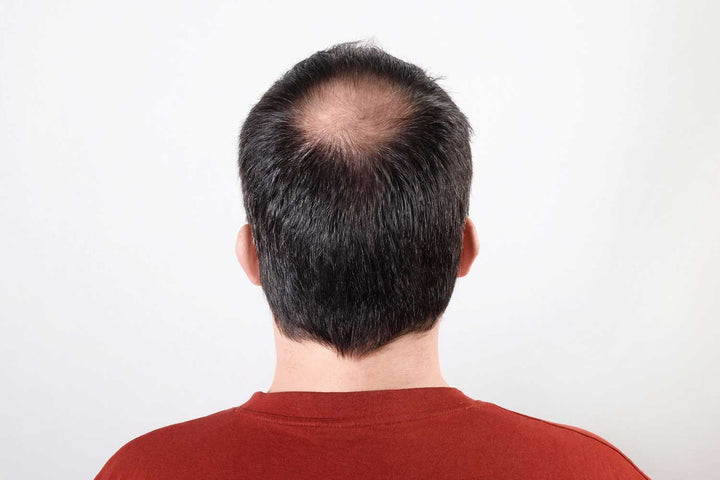
Hair loss often appears as irregular patches rather than a classic temple or crown pattern. Active edges can feel sore, itchy, or burning. Under good light, redness and sleeve-like scale may surround hair shafts. Areas that have scarred can look pale or shiny, with fewer follicle openings.
LPP can also present as frontal fibrosing alopecia at the hairline or as fibrosing alopecia in a pattern distribution. Those variants can resemble female pattern hair loss, but symptoms and inflammatory findings change the treatment priority.
Why it happens
LPP is thought to involve an immune attack on cells that protect the follicle's stem-cell region. The exact trigger is unknown. It is not contagious, it is not caused by poor hygiene, and it is not simply a nutrient deficiency.
Some patients have lichen planus affecting skin, mouth, nails, or genitals, while many have scalp disease alone. Tell your clinician about rashes, mouth soreness, nail changes, and all medicines or supplements.
How the diagnosis is made
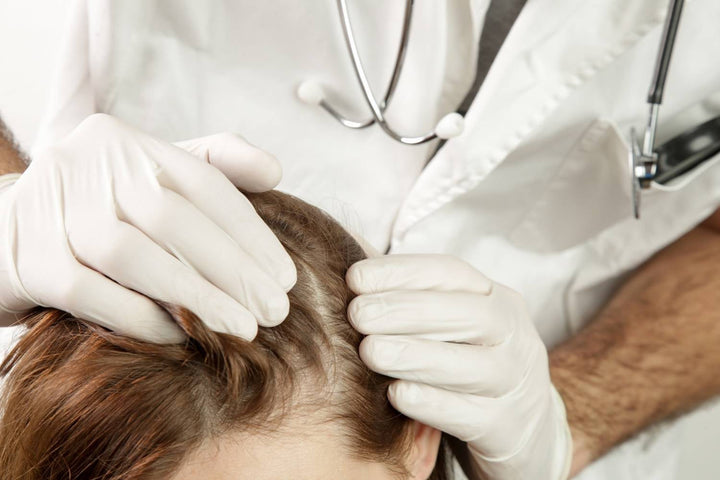
Dermoscopy helps identify perifollicular scale, redness, white scarred areas, and loss of openings. A biopsy is commonly needed and should sample an active margin containing inflamed follicles. A specimen from the fully scarred center may show damage but not the specific process.
Diagnosis can be challenging because inflammation waxes and wanes. A dermatologist who routinely treats hair disorders may be useful when symptoms persist despite an unclear first evaluation.
Treatment options
Topical and injected corticosteroids are often used for localized activity. More extensive disease may require oral medicines such as hydroxychloroquine, doxycycline, methotrexate, mycophenolate, cyclosporine, pioglitazone, or other immune-directed therapy. Each has distinct monitoring and pregnancy considerations.
Recent reviews find that evidence quality is limited and response varies. That makes shared decision-making and objective follow-up especially important. A decrease in symptoms is encouraging, but stable photographs and dermoscopy help confirm that spread has stopped.
Can minoxidil help?
Minoxidil can support growth from surviving follicles or treat overlapping pattern loss. It does not suppress LPP inflammation. Using it without anti-inflammatory care can create a false sense that the underlying disease is being addressed.
Scalp care and camouflage
Use gentle cleansing and avoid scratching, harsh chemical exposure, and tight styles on tender areas. Cosmetic fibers, powders, toppers, and wigs can improve coverage. Transplantation is approached cautiously only after prolonged inactivity because LPP can recur in grafted areas.
Good nutrition supports remaining hair but does not switch off the immune process. Noophoric Hair+ can be used as daily nutritional support alongside a balanced diet, not as a treatment for LPP.
When to seek care quickly
Arrange evaluation for scalp burning, pain, persistent itch, scale around individual hairs, eyebrow loss, or any expanding smooth patch. Learn the broader warning signs of scarring alopecia so a quiet-looking scalp does not delay care.
Frequently asked questions
Can LPP go into remission?
Yes. Treatment can stabilize many cases, and some become inactive. Relapses are possible, so monitoring continues after symptoms improve.
Will scarred hair regrow?
Hair from destroyed follicles generally will not. Hair can thicken in areas where follicles are inflamed but still viable.
Is LPP caused by stress?
Stress may affect symptoms or coping, but it is not established as the sole cause of this immune-mediated disease.
Bottom line
LPP is not ordinary shedding. Symptoms around individual follicles and disappearing openings require prompt diagnosis, often with biopsy. The realistic treatment goal is to stop activity and protect the hair that remains.
Evidence reviewed September 2026. This article is educational and is not a substitute for individualized medical diagnosis or treatment.
*These statements have not been evaluated by the Food and Drug Administration. This product is not intended to diagnose, treat, cure, or prevent any disease.
Sources
The information on noophoric.com is for informational and educational purposes only and is not intended to be medical advice. Readers should consult with a qualified healthcare professional before making changes to diet, nutrition, supplementation, medication, or lifestyle.