
How Much Hair Loss Is Normal in the Shower?

Seeing hair in the shower is normal because washing releases strands that finished their growth cycle, including hairs that accumulated since the last wash. A commonly quoted average is 50 to 100 shed scalp hairs per day, but wash frequency, hair length, curl pattern, detangling, and personal baseline can make the visible amount vary widely.
Why wash day looks dramatic
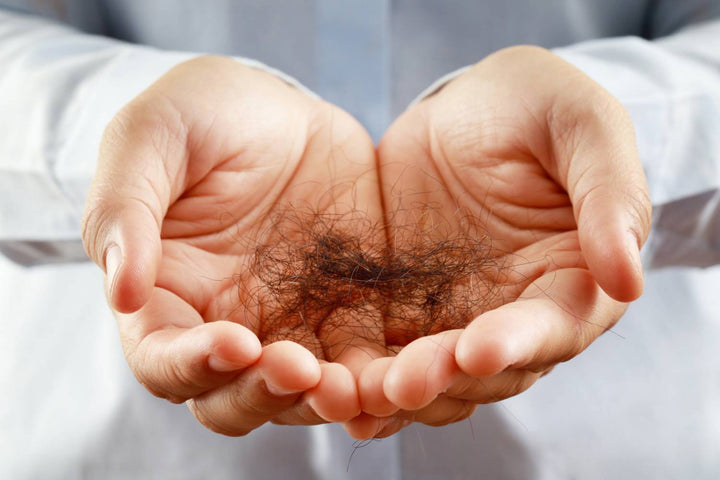
Shed hairs do not always fall immediately. They can remain tangled among neighboring strands until shampooing or brushing releases them. If you wash every four days, one shower may contain several days of normal shedding. Long dark hair also looks like more than the same number of short light hairs.
That is why a photograph of a shower clump cannot diagnose hair loss. The change from your usual pattern and its duration matter more.
Signs shedding may be excessive
- The amount rises clearly and stays elevated for more than six to eight weeks.
- You notice hair throughout the day, not only on wash day.
- Your ponytail feels smaller or the part and crown look wider.
- Handfuls release with gentle washing or combing.
- Shedding follows fever, surgery, childbirth, weight loss, severe stress, or a medication change.
Telogen effluvium is a common cause of diffuse shedding. It often begins two to four months after a trigger, so think back beyond the previous week. Read the guide to excessive hair shedding for a more complete trigger checklist.
Shedding versus breakage in the drain
Full-length strands with a tiny club root were shed from follicles. Short pieces with blunt or frayed ends are more consistent with breakage. Both can occur together, particularly when hair is chemically treated, heat damaged, tightly styled, or aggressively detangled.
Should you count every hair?
Usually no. Exact counting is time-consuming, inconsistent, and can fuel anxiety. Instead, keep your washing routine stable and take monthly photos of the part, temples, and crown in the same conditions. Note whether the drain amount returns toward baseline. Understanding the hair growth cycle makes the delay between a trigger, shedding, and new growth less confusing.
A dermatologist can perform a pull test or standardized wash test when a more objective assessment is needed. Dermoscopy can identify miniaturization if pattern loss overlaps.
How to wash without adding breakage
- Detangle gently before washing if that works for your texture.
- Apply shampoo primarily to the scalp and massage with fingertips, not nails.
- Condition the lengths and give knots time to soften.
- Use a wide-tooth comb or fingers, working from ends upward.
- Blot rather than rub with a rough towel.
Washing less often does not stop biologic shedding. It simply changes when released hairs become visible. Keep the scalp clean at a frequency suited to oil, activity, texture, and scalp disease.
Nutrition and recovery
Rapid dieting, inadequate protein, and some deficiencies can trigger shedding. Focus on sufficient energy and a varied diet rather than megadoses. Noophoric Hair+ can add convenient daily nutritional support for healthy-looking hair, but sudden or prolonged shedding still deserves evaluation.
When to seek help
See a clinician for visible thinning, persistent heavy shedding, smooth patches, scalp pain or inflammation, eyebrow loss, or symptoms such as fatigue and unexplained weight change. Early review is also sensible if you are worried enough to change normal washing or avoid touching your hair.
Frequently asked questions
Is more hair loss normal after not washing for a week?
Yes. Released hairs accumulate and come out together, though a major change from your own baseline still matters.
Does shampoo cause shedding?
Routine shampooing mainly reveals hairs already ready to release. Irritating products can cause dermatitis or breakage, which is a different issue.
Can seasonal changes affect shower shedding?
Research suggests small seasonal variations in telogen hairs. The evidence and practical limits are covered in the guide to seasonal hair shedding, but pronounced or prolonged loss should not automatically be blamed on the season.
Bottom line
Some hair in the shower is expected, especially after several days between washes. Focus on sustained change, visible density, and symptoms. Gentle washing protects the shaft, while diagnosis addresses true excess shedding.
Evidence reviewed September 2026. This article is educational and is not a substitute for individualized medical diagnosis or treatment.
*These statements have not been evaluated by the Food and Drug Administration. This product is not intended to diagnose, treat, cure, or prevent any disease.
Sources
The information on noophoric.com is for informational and educational purposes only and is not intended to be medical advice. Readers should consult with a qualified healthcare professional before making changes to diet, nutrition, supplementation, medication, or lifestyle.