
Seasonal Hair Shedding: Does Hair Loss Increase in Fall?

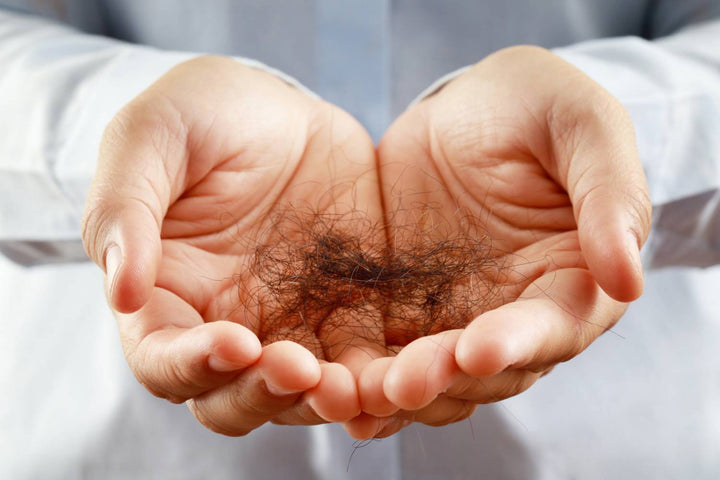
Human hair shedding can vary modestly by season, and some studies have found more resting hairs in summer with increased shedding in late summer or fall. The effect is usually subtle. A dramatic, prolonged, or visibly thinning episode should not be dismissed as seasonal without considering illness, stress, diet, hormones, medications, and pattern hair loss.
What research suggests
Hair follicles do not all grow and rest together. Each follows its own cycle, which prevents humans from undergoing a synchronized molt. Observational studies using hair counts and internet search patterns have found seasonal fluctuations, but climate, latitude, grooming, and study design make exact timing uncertain.
The practical takeaway is that a small temporary increase may be normal. Season alone should not explain an obvious reduction in density. Compare any suspected change with the normal variation explained in how much shower shedding is expected.
Why fall shedding may look worse
Longer hairs are easier to see on dark clothing, scarves create friction, indoor heating dries the fiber, and wash routines change. Hairs released over several days may appear together on wash day. These factors change visibility even if follicle biology changes only slightly.
Seasonal change or telogen effluvium?
Telogen effluvium produces a clearer rise in diffuse shedding, often two to four months after fever, infection, surgery, childbirth, severe stress, rapid weight loss, or a medication change. That delay can coincide with fall and make the season seem responsible.
Review the months before onset and compare with your baseline. Our guide to hair loss after illness explains the delayed timeline and typical recovery.
How long should seasonal shedding last?
There is no official cutoff. A modest fluctuation should settle rather than continually worsen. Seek evaluation if increased shedding lasts more than about two to three months, creates visible thinning, or accompanies scalp symptoms or health changes.
How to monitor without obsessing
- Keep wash frequency reasonably consistent.
- Take monthly photos of the part, temples, and crown in the same light.
- Note recent illness, weight change, medication changes, and menstrual changes.
- Track whether your ponytail or styling coverage changes.
- Avoid counting every hair, which is difficult to standardize.
Supportive care
Continue normal gentle washing, condition the lengths, reduce high heat, and avoid tight styles. Eat enough calories and protein and correct proven deficiencies. Noophoric Hair+ can complement a balanced diet with daily nutritional support for healthy-looking hair, but it cannot distinguish seasonal variation from a medical cause.
When to see a dermatologist
Book an assessment for widening of the part, recession, a growing crown spot, smooth patches, eyebrow loss, pain, burning, redness, heavy scale, or persistent heavy shedding. A dermatologist can assess active shedding and check for underlying pattern hair loss that a temporary shed may reveal.
Frequently asked questions
Do people lose more hair in autumn?
Some research supports a modest seasonal increase, but it is not universal and should not cause major visible loss.
Does cold weather stop hair growth?
No. Hair continues cycling year-round. Temperature, humidity, and clothing may affect the shaft and how shedding is noticed.
Should I change supplements each season?
No. Base supplementation on diet and documented need, not the calendar. Excess nutrients can also cause hair loss.
Bottom line
A temporary fall increase can occur, but "seasonal shedding" should be a cautious conclusion. The size, duration, density change, symptoms, and recent health timeline determine whether further evaluation is warranted.
Evidence reviewed September 2026. This article is educational and is not a substitute for individualized medical diagnosis or treatment.
*These statements have not been evaluated by the Food and Drug Administration. This product is not intended to diagnose, treat, cure, or prevent any disease.
Sources

The information on noophoric.com is for informational and educational purposes only and is not intended to be medical advice. Readers should consult with a qualified healthcare professional before making changes to diet, nutrition, supplementation, medication, or lifestyle.