
Pequi Oil for Hair: Shine, Frizz, and Safe Use

Pequi oil is pressed from the fruit of Caryocar brasiliense, a tree native to Brazil. It contains fatty acids and plant compounds that can coat the hair, increase shine, and reduce the dry feel of weathered ends. Claims that it stimulates follicle growth or treats hair loss are not supported by strong clinical evidence.
Use it as a conditioning oil, not as a medication.
What pequi oil can do
Oils lubricate the surface of the strand, reduce friction, and make light reflect more evenly. That can improve softness, shine, and the appearance of frizz. The result is temporary and depends on dose, hair texture, porosity, and the rest of the routine.
Pequi oil is rich in oleic and palmitic fatty acids. Composition varies with source and processing. A finished serum may contain only a small amount alongside silicones, fragrance, and other oils.
Who may like it?
- Coarse or dry hair that tolerates richer oils
- Curly or coily hair needing added slip on the ends
- Bleached or weathered hair that looks dull
- Short styles that need a polished finish
Fine or low-density hair may be weighed down easily. Start with one drop on the ends and add more only after the hair is dry.
How to use pequi oil
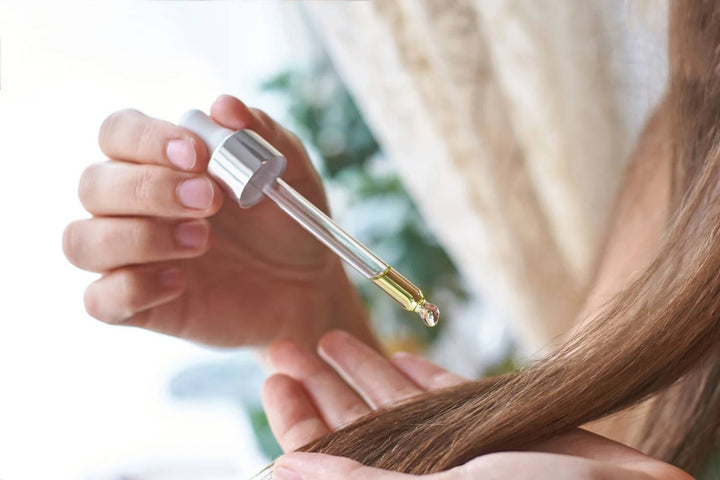
As a finishing oil: Rub one or two drops between the palms and smooth over dry ends.
Before shampoo: Apply a small amount to the lengths for 20 to 60 minutes, then shampoo and condition.
Mixed with conditioner: Add only if the product directions permit it. Too much oil can interfere with even application and leave residue.
For curls: Apply over leave-in conditioner to selected dry areas. Our curly hair styling guide explains where oil fits relative to cream and gel.
Does it repair damaged hair?
Pequi oil can reduce friction and improve feel, which may help prevent some additional breakage. It cannot rebuild missing cuticle, restore bleached hair to virgin condition, or permanently seal split ends.
For significant damage, combine conditioning with lower heat, gentler detangling, and trims. Read what bleached hair damage can and cannot recover from.
Does it grow hair?
There are not high-quality human trials showing that topical pequi oil treats androgenetic alopecia or alopecia areata. A shinier strand can look healthier, but follicle number and density are different outcomes.
Scalp use and allergy
Applying oil to the scalp can increase residue and may worsen some dandruff-prone routines. Patch test first, especially if the product contains fragrance. Stop for burning, rash, swelling, or worsening itch. People with known fruit or botanical allergies should be cautious.
Pequi oil versus coconut or avocado oil
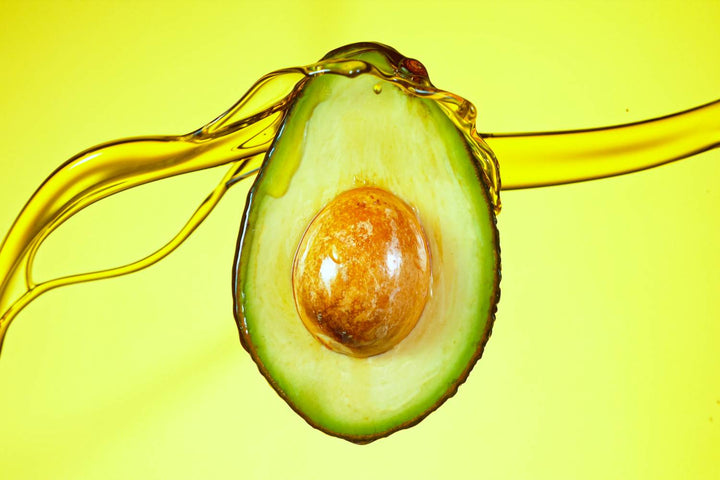
Coconut oil has evidence for reducing protein loss from hair in some conditions. Avocado and pequi oils are used mainly for surface conditioning and shine. The best option is the one that improves manageability without creating buildup. It is reasonable to use different oils for different sections.
How often should you use it?
There is no required schedule. Use a small amount after washing or several times a week if hair remains light and flexible. Reduce frequency if hair looks stringy, takes longer to become wet, or needs repeated shampooing to feel clean.
How to judge the result
Compare equal sections after two or three wash cycles. Look for easier detangling, lower surface frizz, and less snapping at the ends. Shine alone can be misleading because any oily film reflects light. A useful oil improves manageability without making the scalp itchy or forcing harsher cleansing.
Noophoric Hair+ combines vitamins, minerals, botanicals, and amino acids to support fuller, stronger, healthier-looking hair.
Further reading
Sources
This article is educational and is not a substitute for individualized medical advice.
The information on noophoric.com is for informational and educational purposes only and is not intended to be medical advice. Readers should consult with a qualified healthcare professional before making changes to diet, nutrition, supplementation, medication, or lifestyle.