
Tsubaki Oil for Hair: Conditioning Benefits and Safe Use

Tsubaki oil is pressed from camellia seeds, commonly Camellia japonica, and has a long history in Japanese hair care. It is rich in oleic acid and can soften dry hair, add shine, and reduce friction. It is not a proven treatment for hair loss or a permanent repair for damage.
The oil can feel light in a well-dosed serum but heavy when poured directly onto fine hair.
How tsubaki oil affects hair
Oil forms a lubricating film along the cuticle. This can make detangling easier, reduce static, and improve shine. The effect is strongest on rough or weathered sections that need surface lubrication.
Hair fibers cannot biologically heal. Tsubaki oil improves appearance and feel but does not recreate virgin cuticle.
Who may benefit?
- Dry, coarse, or chemically treated hair
- Curly or wavy ends that need added slip
- Long hair exposed to friction
- People seeking a smoother, glossier finish
How to use it
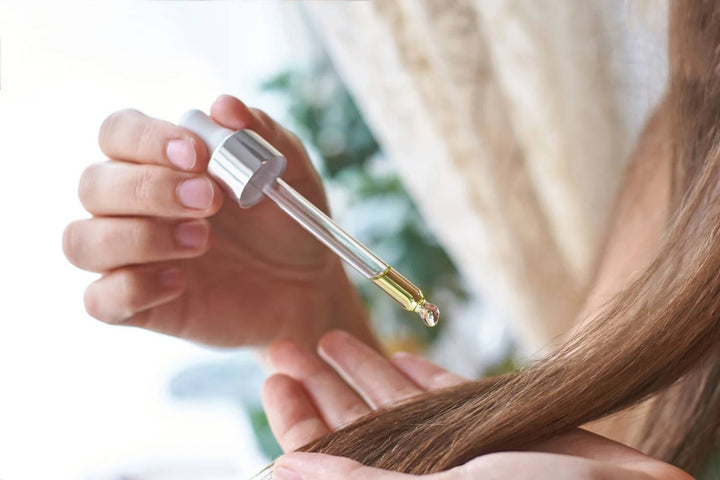
Finishing: Use one or two drops on dry ends.
Pre-shampoo: Apply lightly for 20 to 60 minutes, then wash and condition.
Over leave-in: Seal selected dry areas after a water-based conditioner.
Scalp: Use cautiously and patch test. Oil can worsen buildup in an oily or dandruff-prone routine.
Does tsubaki oil grow hair?
There are not high-quality human trials showing that topical camellia oil regrows hair. Laboratory antioxidant or enzyme findings do not establish clinical follicle growth. Less breakage may improve length retention without changing growth at the root.
Read how to prevent hair breakage for the other factors that matter.
Tsubaki versus olive oil
Both are rich in oleic acid and can feel substantial. Cosmetic tsubaki products may spread more elegantly because of refining or blended ingredients. Olive oil is inexpensive and available as food oil. Compare equal drops rather than assuming the rarer oil is automatically better.
See the complete guide to olive oil for hair.
Can it protect against heat?
Plain oil should not replace a formulated heat protectant. It may coat unevenly and does not make high temperatures safe. Use the lowest effective heat and limit repeated passes.
Buildup and cleansing
Signs of excess include stringy sections, flat roots, dullness, and slow wetting. Reduce the dose and shampoo thoroughly. Hair that needs harsh clarifying after every use is receiving too much oil.
Allergy and authenticity
Patch test before scalp use. Camellia species and processing vary, and products may contain fragrance or other oils. Buy from a brand with a complete ingredient list. Stop for hives, swelling, burning, or persistent itch.
A controlled trial
Use tsubaki oil on one side and your normal product on the other for two wash cycles. Compare tangling, shine, softness, volume, and cleansing effort. Keeping only products with a clear benefit reduces buildup and cost.
Processed and colored hair
Chemically treated sections may absorb more oil or look darker than healthier roots. Apply to the oldest ends first and use what remains on the mid-lengths. If one section becomes greasy, wash it normally rather than applying more oil to make the finish uniform.
Daily use is not required
The film remains until it is worn away or washed off. Reapplying several times a day can turn a lightweight result into buildup. Use touch and appearance as the guide, not a routine that requires oil every morning and night.
The bottom line
Tsubaki oil is a rich surface conditioner with a long cosmetic history. Use a few drops on the lengths, protect the scalp from unnecessary residue, and ignore claims that equate shine with regrowth.
Noophoric Hair+ combines vitamins, minerals, botanicals, and amino acids to support fuller, stronger, healthier-looking hair.
Further reading
Sources
This article is educational and is not a substitute for individualized medical advice.

The information on noophoric.com is for informational and educational purposes only and is not intended to be medical advice. Readers should consult with a qualified healthcare professional before making changes to diet, nutrition, supplementation, medication, or lifestyle.