
The Optavia Diet and Hair Loss: Rapid Weight Loss and Shedding

Hair shedding during or after the Optavia diet is more likely to be related to rapid weight loss, reduced energy intake, or a nutritional shortfall than to one branded food. The common pattern is telogen effluvium, a delayed shift in the hair cycle that can follow a major physical stressor.
Optavia's available plans and products can change, so the current program materials and nutrition labels matter. Any structured plan that creates a large calorie deficit or causes fast weight loss can create similar concerns.
Why weight loss can trigger shedding
Hair follicles cycle through growth, transition, rest, and shedding phases. After a substantial stress, more follicles can move into the resting phase. The extra shedding often appears two to four months later, which makes the diet connection easy to miss.
The American Academy of Dermatology lists major weight loss as a trigger for excessive hair shedding. A recent clinical study of weight-loss-associated telogen effluvium also found that both the amount and rate of weight loss were relevant, although one study cannot define a safe threshold for every person.
Is the diet itself the cause?
It is usually more accurate to evaluate the consequences of the plan than to blame one ingredient. Possible contributors include:
- A large or prolonged calorie deficit
- Weight loss occurring faster than the body tolerates well
- Inadequate total protein
- Low iron, zinc, vitamin D, or another nutrient in a susceptible person
- The stress, illness, or medication change that occurred at the same time
Read our guide to diet and hair loss for a broader explanation of energy, protein, and micronutrients. A complete nutrition product does not guarantee that total daily intake fits every person's medical needs.
How to recognize telogen effluvium
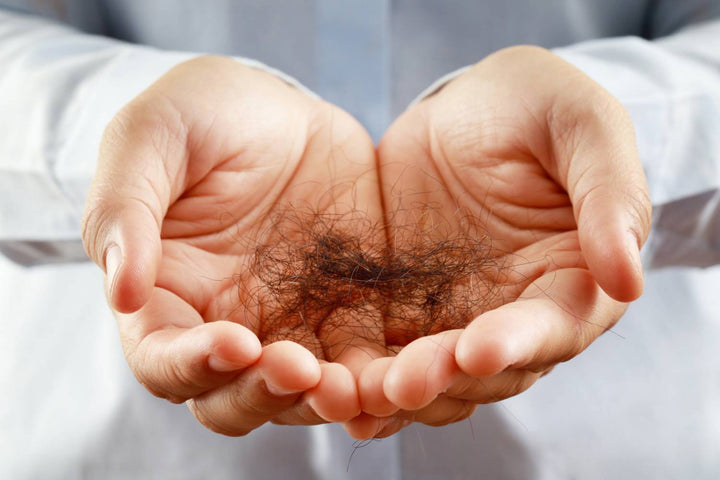
Telogen effluvium usually causes diffuse shedding across the scalp. People notice more hair in the shower, brush, or on clothing rather than one smooth bald patch. The scalp generally does not have heavy inflammation or scar-like areas.
A widening part, receding hairline, round patches, broken hairs, scalp pain, pus, or heavy scale may indicate another condition. Weight-loss shedding can also reveal preexisting androgenetic alopecia by reducing overall density.
What to do if shedding starts
- Review the timeline. Note when weight loss began, how quickly it occurred, and when shedding became noticeable.
- Check intake. Calculate actual daily protein, calories, and food variety rather than assuming packaged meals cover everything.
- Avoid escalating restriction. Faster loss is not always better, especially when fatigue, weakness, or hair shedding appears.
- Speak with a clinician. A doctor or registered dietitian can assess whether the plan should be adjusted and whether testing is appropriate.
- Use gentle hair care. Reduce tight styles, bleach, high heat, and rough detangling while density is lower.
Do not stop a medically necessary weight-management treatment or prescription drug without the prescriber. Instead, bring the eating pattern, product labels, supplement list, rate of weight change, and symptoms to the appointment.
Should you take hair vitamins?
A supplement can help correct a confirmed deficiency, but more is not automatically better. Excess vitamin A, selenium, and some other nutrients can contribute to hair loss or toxicity. Biotin deficiency is uncommon, and high-dose biotin can interfere with certain laboratory tests.
Ferritin is often discussed online, but it should be interpreted with the blood count, symptoms, and clinical context. Our guide to ferritin and hair loss explains why one number does not diagnose the cause.
Will the hair grow back?
When telogen effluvium is temporary and the trigger resolves, shedding often slows over several months. Visible fullness takes longer because new hair grows gradually. Recovery may be incomplete if restriction continues or if another type of hair loss is present.
Use monthly photographs in the same lighting instead of judging daily. Seek dermatology care when shedding persists, density continues to fall, or the pattern is not diffuse.
How to reduce risk during weight loss
A medically appropriate pace, adequate protein, a varied diet, resistance exercise, and monitoring of symptoms are more protective than adding a large supplement stack. People with diabetes, kidney disease, eating-disorder history, pregnancy, or complex medication needs should use individualized medical nutrition guidance.
For practical next steps, see our complete guide to excessive hair shedding.
Bottom line
The Optavia diet does not uniquely poison the hair. The more plausible concern is telogen effluvium related to rapid weight loss, low energy intake, inadequate protein, or a nutrient gap. Review the actual pace and nutrition of the plan, rule out other causes, and adjust it with professional guidance rather than chasing a topical cure.
Further reading
Sources
Evidence reviewed August 2026. This article is educational and is not a substitute for individualized medical advice.

The information on noophoric.com is for informational and educational purposes only and is not intended to be medical advice. Readers should consult with a qualified healthcare professional before making changes to diet, nutrition, supplementation, medication, or lifestyle.