
Trichotillomania Hair Loss: Signs, Recovery, and Treatment

Trichotillomania is a treatable condition involving recurrent hair pulling and difficulty stopping, often followed by distress or impairment. It can affect scalp hair, eyebrows, eyelashes, beard hair, or body hair. Recovery usually combines evidence-based behavioral therapy, practical barriers to pulling, and compassionate care rather than shame.
What the hair loss can look like
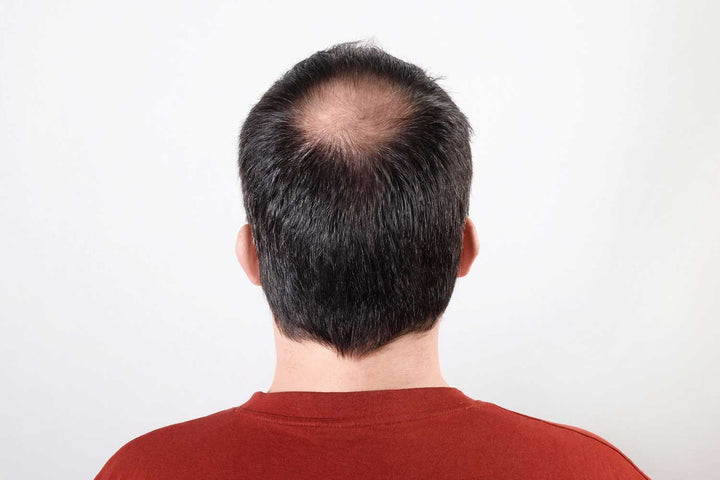
Patches are often irregular and contain hairs of many lengths. Some shafts are broken close to the skin while others are longer. The scalp usually retains follicle openings unless repeated trauma has caused scarring. Eyebrows or lashes may be uneven or missing.
People may pull with full awareness to relieve tension, or automatically while reading, driving, studying, watching television, or falling asleep. Some do both. The behavior is not simply a bad habit or lack of willpower.
How it differs from other conditions
Alopecia areata usually creates smoother patches with characteristic short hairs at the border. Fungal infection can cause scale and broken hairs. Traction alopecia follows areas under repeated tension. Dermoscopy helps distinguish these patterns, and a biopsy or fungal test is occasionally needed.
If you are unsure whether the short hairs are regrowth or damage, the guide to new growth versus breakage explains the visual clues, but a professional assessment remains more reliable.
Why hair pulling happens
Trichotillomania is classified among obsessive-compulsive and related disorders. Genetics, habit learning, sensory reinforcement, stress, boredom, and emotion regulation may all contribute. Anxiety or depression can coexist, but a person does not need either diagnosis to have trichotillomania.
Hair pulling can begin in childhood or adolescence and follow a fluctuating course. Secrecy and shame often delay care. A neutral conversation with a clinician is an important first step.
The best-supported therapy
Behavioral treatment centered on habit reversal training has the strongest support. It commonly includes:
- Awareness training: Notice hands, sensations, locations, emotions, and activities that precede pulling.
- Competing responses: Use an action that makes pulling difficult, such as gently clenching the hands or holding an object.
- Stimulus control: Modify high-risk settings with finger covers, hairstyles, lighting changes, or placement of tools.
- Flexible coping: Address sensory needs, urges, stress, and self-criticism with strategies matched to the moment.
A therapist experienced in body-focused repetitive behaviors can personalize the plan. Progress is not defined by perfection. Shorter episodes, faster interruption, reduced damage, and more openness all count.
Medication and medical care
No medication is FDA-approved specifically for trichotillomania. Clinicians sometimes consider N-acetylcysteine, clomipramine, olanzapine, or treatment for coexisting anxiety or depression. Evidence and side effects differ, so self-medication is not advisable.
A dermatologist can treat scalp irritation, infection, or scarring and document whether follicles remain. Seek urgent medical advice if hair is eaten, because swallowed hair can form a dangerous gastrointestinal mass.
Will hair grow back?
Hair often regrows when pulling stops and follicles remain intact. Initial regrowth may differ in color or texture and can take months to look full because follicles are in different cycle phases. Long-term repeated pulling can scar follicles and make loss permanent.
Supporting hair during recovery
Use gentle cleansing, avoid chemical services on injured skin, and resist checking or trimming new hairs compulsively. The breakage prevention guide can help protect fragile regrowth. Adequate protein and micronutrients support normal growth. Noophoric Hair+ is an optional daily nutritional support product, but it does not treat the urge to pull or replace behavioral therapy.
Frequently asked questions
Can someone pull hair without realizing it?
Yes. Automatic pulling during focused or low-awareness activities is common.
Should family members tell the person to stop?
Repeated criticism usually increases shame. Supportive reminders should be agreed on in advance and paired with professional care.
Is shaving the head a cure?
No. It can temporarily change access, but urges may shift to another area. Sustainable recovery addresses the behavior and its triggers.
Bottom line
Trichotillomania is a health condition, not a character flaw. Habit reversal-based therapy, practical environmental changes, and scalp care can reduce pulling and allow regrowth where follicles remain.
Evidence reviewed September 2026. This article is educational and is not a substitute for individualized medical diagnosis or treatment.
*These statements have not been evaluated by the Food and Drug Administration. This product is not intended to diagnose, treat, cure, or prevent any disease.
Sources
The information on noophoric.com is for informational and educational purposes only and is not intended to be medical advice. Readers should consult with a qualified healthcare professional before making changes to diet, nutrition, supplementation, medication, or lifestyle.