
Short Hairs at the Hairline: New Growth, Breakage, or Thinning?

Short hairs at the hairline can be new growth, breakage, or miniaturized hairs from pattern loss. New hairs usually taper at the tip and gradually become longer. Broken hairs often have blunt, split, or frayed ends. Miniaturized hairs stay finer and shorter than neighboring terminal hairs over repeated growth cycles.
Signs of new growth
Regrowing hairs often appear after a shedding episode settles. They tend to have soft tapered tips, a range of emerging lengths, and a distribution that matches the area recovering. Over several months, the same hairs should lengthen and become easier to style.
New growth can initially stand upright or create a halo of flyaways. That is not proof of damage. Taking close photos every six to eight weeks can show whether the hairs are gaining length.
Signs of breakage
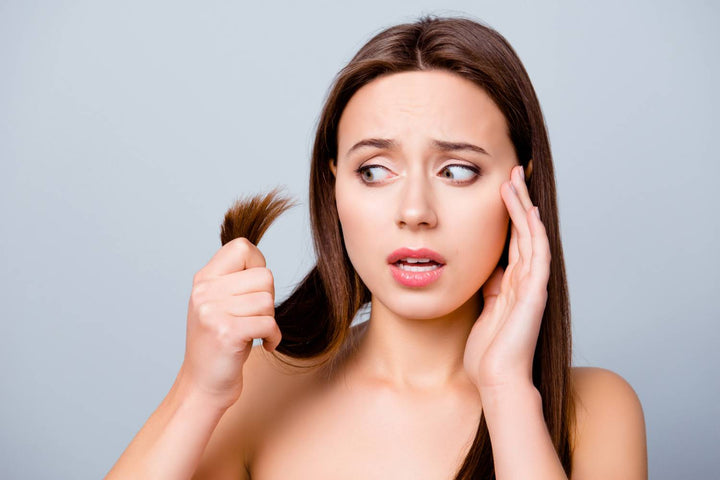
Broken hairs can end bluntly, fray, split, or look rough. They often cluster where the hair experiences tension or friction, such as the temples, nape, part, or areas under extensions. Bleaching, relaxing, repeated heat, tight ponytails, vigorous edge control, and rough towel drying increase risk.
Look at the lengths on your brush. Short fragments without a club root suggest breakage, while long strands with a pale club end are more likely shed hairs. Use the complete breakage prevention guide to reduce mechanical damage.
Signs of miniaturization
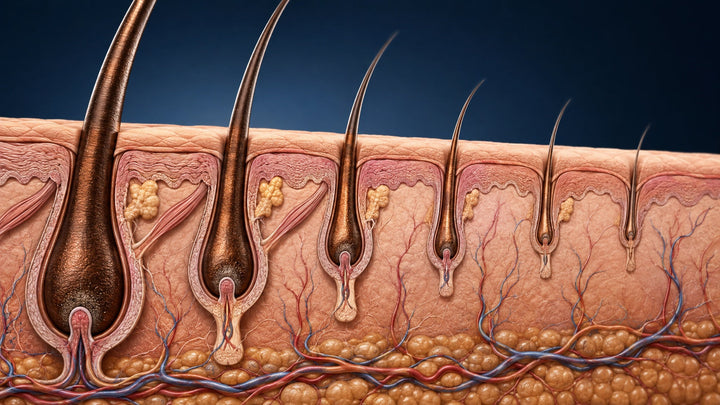
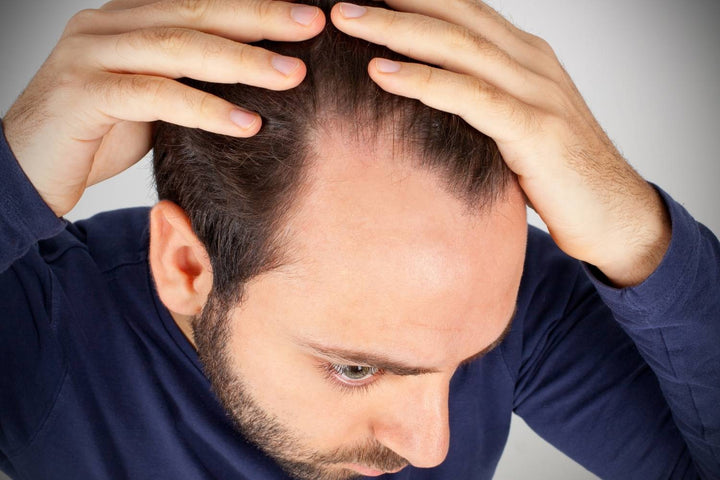
Pattern hair loss makes susceptible follicles produce finer, shorter hairs. At the frontal edge this can look like wispy growth that never fills in. The temples may recede or the part may widen. Unlike healthy regrowth, the hairs do not progressively match the thickness of those behind them.
Because naked-eye inspection is unreliable, a dermatologist may use dermoscopy to compare shaft diameters. Learn more about what hair miniaturization means and why early treatment can be useful.
A simple at-home tracking method
- Take a clear baseline photo with dry, product-free hair.
- Use the same part, camera, distance, and natural light each time.
- Repeat after six to eight weeks rather than daily.
- Note chemical services, tight styles, illness, or shedding changes.
- Look for increased length, not just the number of flyaways.
What to do for each cause
For regrowth: protect the fragile new hairs, maintain adequate nutrition, and allow time. For breakage: reduce heat and tension, condition regularly, detangle gently, and trim split ends. For miniaturization: seek a diagnosis and discuss treatments such as minoxidil or other options appropriate to your pattern and health.
Noophoric Hair+ can complement a balanced diet as daily nutritional support for normal hair strength. It cannot determine which process is occurring or treat pattern hair loss.
When short hairs need medical attention
Book a dermatologist if the hairline is moving backward, the part is widening, patches are forming, or the scalp has pain, itch, redness, scale, or lost follicle openings. Natural asymmetry can also confuse the picture, so compare it with the guide to an uneven hairline. Broken hairs with scale can signal fungal infection, especially in children. An early diagnosis prevents months of treating the wrong problem.
Frequently asked questions
How quickly should new hairs get longer?
Scalp hair grows roughly one centimeter per month on average, with individual variation. Visible blending takes several months.
Are baby hairs always a good sign?
No. Some are normal permanent hairs, some are regrowth, and some are miniaturized or broken. Change over time clarifies the category.
Can split ends travel up the shaft?
Yes. Damaged fibers can continue splitting, so reducing stress and trimming severe splits can limit further breakage.
Bottom line
Tapered hairs that steadily lengthen suggest regrowth. Blunt or frayed fragments suggest breakage. Fine wispy hairs that remain short in a changing pattern suggest miniaturization. Consistent photos and dermoscopy provide the clearest answer.
Evidence reviewed September 2026. This article is educational and is not a substitute for individualized medical diagnosis or treatment.
*These statements have not been evaluated by the Food and Drug Administration. This product is not intended to diagnose, treat, cure, or prevent any disease.
Sources
The information on noophoric.com is for informational and educational purposes only and is not intended to be medical advice. Readers should consult with a qualified healthcare professional before making changes to diet, nutrition, supplementation, medication, or lifestyle.