
Diffuse Hair Loss: Causes, Tests, and Treatment

Diffuse hair loss means density is decreasing across much of the scalp rather than in one isolated bald patch. Common causes include telogen effluvium, female or male pattern hair loss, thyroid disease, iron deficiency, medication effects, rapid weight loss, and less commonly diffuse alopecia areata or inflammatory disease. The timing and pattern narrow the possibilities.
Diffuse shedding versus diffuse thinning
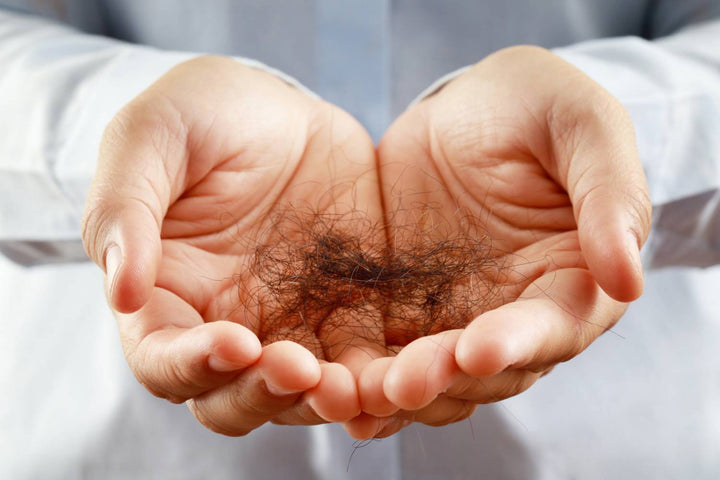
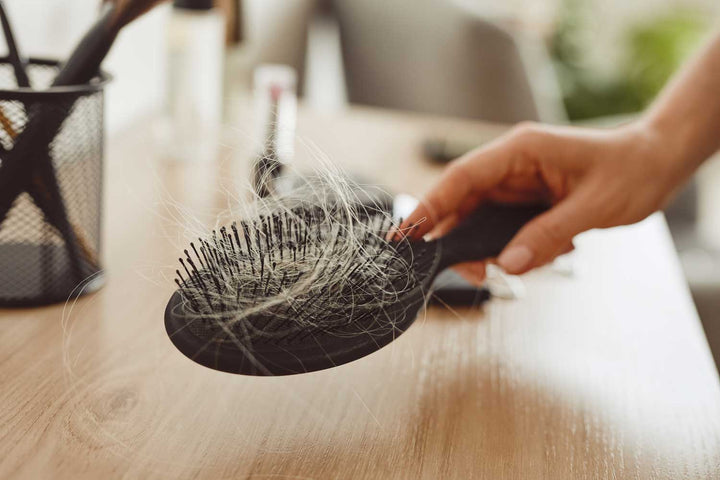
These terms are related but not identical. Shedding means more whole hairs are releasing from the follicle, often seen on the pillow, brush, clothing, or shower floor. Thinning describes reduced visible density and can result from shedding, miniaturization, breakage, or a combination.
Telogen effluvium usually causes increased shedding across the scalp. Pattern hair loss may feel diffuse, especially in women, but often produces proportionally more thinning over the top and crown. Hair breakage creates shorter fragments instead of full shed strands.
Common causes
Telogen effluvium
A physical or emotional stressor can move more follicles into the resting phase. Shedding often starts two to four months after fever, infection, surgery, childbirth, severe stress, rapid weight loss, or a medication change. The delay makes the trigger easy to miss. Acute cases often improve after the trigger resolves, although density takes time to return.
Androgenetic alopecia
Pattern loss miniaturizes susceptible follicles. Women may notice a widening part and generalized loss of volume. Men may see temple and crown change. Telogen effluvium can reveal previously subtle pattern loss, so both diagnoses may be present.
Nutritional and endocrine contributors
Iron deficiency, inadequate protein intake, thyroid disorders, and certain other deficiencies can disrupt growth. A lab result should be interpreted with symptoms and medical history. More supplementation is not always safer.
Medication and illness
Anticoagulants, retinoids, some blood pressure medicines, hormone changes, and other drugs can be associated with shedding. Do not stop a prescribed medicine on your own. A clinician can review timing, alternatives, and the risks of changing treatment.
Questions that help find the trigger
- Did shedding begin suddenly or has density declined gradually?
- What happened two to four months before it started?
- Was there fever, surgery, childbirth, major stress, or weight change?
- Did any medicine, contraceptive, or supplement change?
- Are there symptoms such as fatigue, cold intolerance, irregular periods, rash, pain, or scaling?
- Do close relatives have pattern hair loss?
How diffuse hair loss is evaluated
A dermatologist examines the distribution, shaft caliber, scalp surface, and follicle openings. A hair pull test can detect active release. Trichoscopy helps identify miniaturization, broken hairs, alopecia areata clues, or inflammation.
Tests are selected rather than automatic. Depending on the history, clinicians may order a complete blood count, ferritin and iron studies, thyroid-stimulating hormone, or other targeted labs. Read our guide to blood tests for hair loss before your appointment so you can discuss what fits your situation.
What recovery usually looks like
Once a temporary trigger is corrected, shedding may take several months to normalize. New growth initially appears short and tapered. Visible density recovers more slowly because hair grows only about a centimeter per month on average. Chronic telogen effluvium lasts longer than six months and deserves reevaluation for an ongoing trigger or overlapping pattern loss.
Treatment principles
Treatment follows the diagnosis: correct an iron or thyroid problem, restore adequate energy and protein intake, treat scalp inflammation, reconsider a medication with the prescriber, or use evidence-based therapy for pattern loss. Minoxidil may be discussed when pattern hair loss is present or when a dermatologist considers it appropriate for persistent shedding. If most loss appears during washing, the guide to normal shower shedding can help you judge change against your own baseline.
Avoid crash diets and high-dose "hair" supplements. Excess vitamin A or selenium can contribute to shedding. A balanced diet remains the foundation. Noophoric Hair+ offers convenient daily nutritional support for healthy-looking hair, but it cannot replace evaluation of sudden or unexplained diffuse loss.
When to seek prompt care
Arrange medical care for rapidly progressing loss, smooth patches, eyebrow or eyelash loss, scalp pain, burning, redness, heavy scale, pustules, or shiny areas with absent follicle openings. Also seek care for fatigue, unexplained weight change, heavy menstrual bleeding, or other systemic symptoms.
Frequently asked questions
Does diffuse hair loss mean you will go bald?
Usually not. Many causes are temporary or treatable. The outlook depends on whether follicles remain intact and what is driving the change.
Can telogen effluvium and pattern hair loss happen together?
Yes. A shedding episode can reduce density quickly and make underlying miniaturization more visible.
Should everyone with diffuse loss take iron?
No. Iron should be guided by diet, symptoms, laboratory findings, and a clinician's advice. Unnecessary iron can cause harm.
Bottom line
Diffuse hair loss is a useful description, not a final diagnosis. Reconstruct the timeline, distinguish shedding from miniaturization and breakage, and use targeted examination and testing. Most people get more value from identifying the cause than from adding random treatments.
Evidence reviewed September 2026. This article is educational and is not a substitute for individualized medical diagnosis or treatment.
*These statements have not been evaluated by the Food and Drug Administration. This product is not intended to diagnose, treat, cure, or prevent any disease.
Sources

The information on noophoric.com is for informational and educational purposes only and is not intended to be medical advice. Readers should consult with a qualified healthcare professional before making changes to diet, nutrition, supplementation, medication, or lifestyle.