
Does Heat Protectant Work? What It Can and Cannot Prevent

Heat protectant works by reducing friction, spreading heat more evenly, and forming a film that limits some moisture loss and surface damage. It lowers risk but does not make unlimited heat safe. Temperature, exposure time, repeated passes, hair condition, and technique still determine damage.
How heat damages hair
Hair contains water and structural proteins. High heat can remove water rapidly, weaken the cuticle, increase cracks, and damage the cortex. On very wet hair, extreme heat can create bubbles within the shaft that make it fragile.
Bleached, colored, relaxed, weathered, fine, or tightly coiled hair may be more vulnerable because the cuticle is already compromised or mechanical stress is higher.
What heat protectants contain
Common ingredients include silicones, film-forming polymers, cationic conditioning agents, proteins, oils, and humectants. They can lubricate the surface, improve combing, distribute heat, and reduce direct contact between hot tools and exposed cuticle.
The exact formula matters. A light spray may suit fine hair, while a cream or serum may provide more lubrication for coarse, curly, or very dry hair.
What heat protectant cannot do
- It cannot prevent all damage at very high temperatures.
- It cannot permanently repair split ends.
- It cannot restore hair already destroyed by repeated bleach and heat.
- It cannot make multiple slow passes harmless.
- It cannot treat follicle-based hair loss.
Blow-drying versus flat ironing
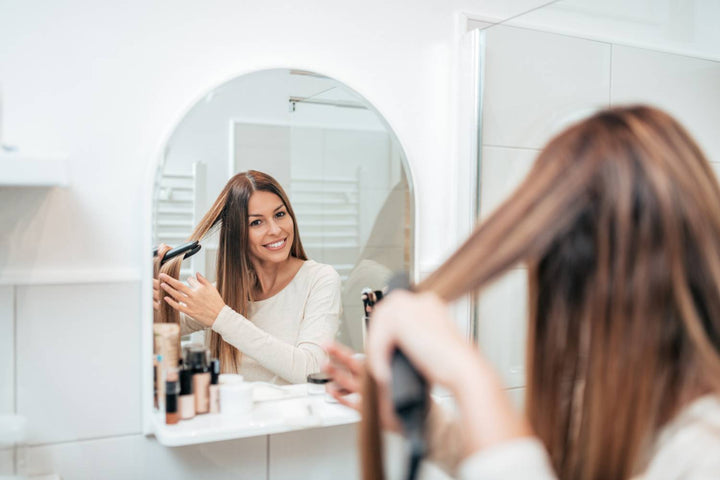
Blow-drying exposes hair to moving hot air, while flat irons and curling tools create direct contact at higher temperatures. Hold a dryer at a distance, keep it moving, and use a lower heat setting when possible.
Use irons only on fully dry hair unless the tool is specifically designed for damp use. Choose the lowest temperature that achieves the style and make as few passes as possible.
How to apply heat protectant
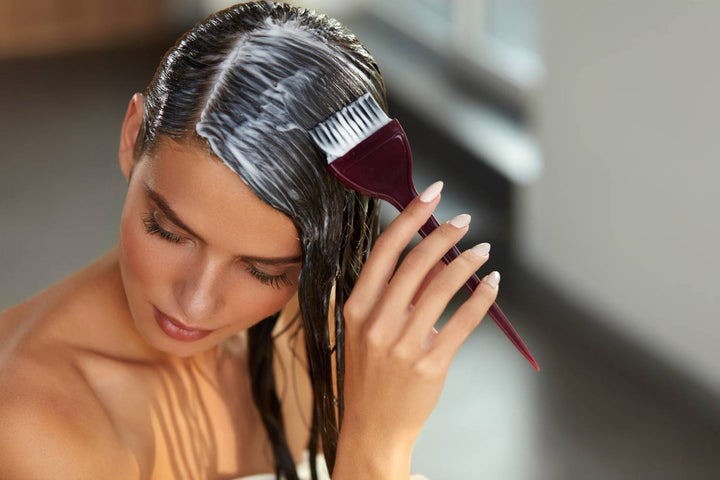
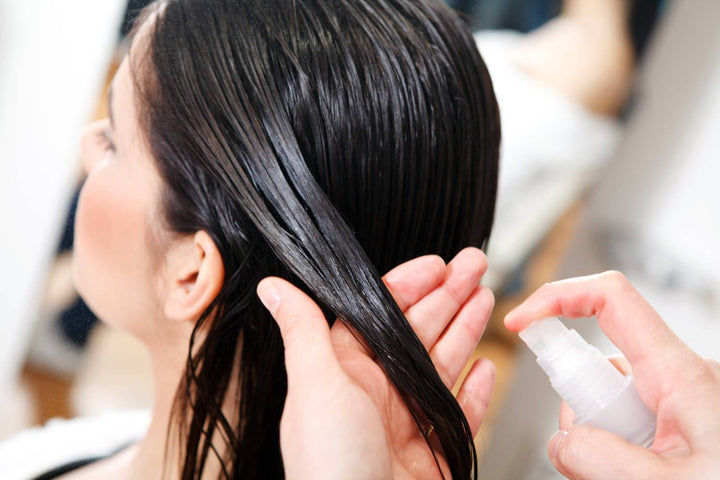
- Follow the label for damp or dry application.
- Divide hair into sections for even coverage.
- Apply enough to coat lightly without soaking or creating heavy residue.
- Comb gently to distribute the product.
- Let the hair reach the required dryness before using a hot tool.
- Avoid repeatedly adding product and heat to the same section.
Do natural oils protect from heat?
An oil can improve slip and reduce friction, but smoke point alone does not prove that it is an effective hair protectant. Heavy oil may make fine hair greasy, and applying high heat to an unsuitable oil can create odor or irritation.
A formulated heat protectant has a more predictable film and application method than a kitchen oil. Our guide to hair oil versus serum explains the difference.
Silicones and heat
Silicone films can reduce friction and help protect the shaft. They are not inherently bad for hair, though some formulas may build up or feel heavy. If residue develops, use an appropriate shampoo rather than avoiding all silicones by default.
Best practices for less damage
- Air-dry partially before blow-drying when practical.
- Use lower heat and shorter exposure.
- Do not hold a dryer in one place.
- Limit the frequency of flat ironing and curling.
- Condition regularly and detangle gently.
- Trim split, weathered ends as needed.
Heat damage versus hair loss
Heat usually damages the shaft and causes breakage. It does not directly create genetic pattern loss. Short pieces, white dots, and split ends suggest breakage, while full-length hairs and patterned thinning suggest other causes. Read our guide to hair breakage.
Support stronger-looking hair
External protection and internal nutrition work together. Noophoric Hair+ combines vitamins, minerals, botanicals, and amino acids to support fuller, stronger, healthier-looking hair.*
Frequently asked questions
Do I need heat protectant before every styling session?
Apply it whenever the product directions call for reapplication and before a new heat session. Do not assume yesterday's residue provides even protection today.
What temperature is safe?
No single temperature is safe for every hair type. Fine, bleached, damaged, or fragile hair needs lower heat. Start low, increase only if necessary, and minimize passes.
Bottom line
Heat protectant reduces risk, but technique remains essential. Apply it evenly, use the lowest effective temperature, minimize passes, and avoid direct high heat on wet or already fragile hair.
Further reading
Sources
- Hair cosmetics: an overview. 2015.
- Hair cosmetics for the hair loss patient. 2021.
- Hair-care physicochemistry and degradation. 2023.
Evidence reviewed August 2026. This article is educational and is not a substitute for individualized medical diagnosis or treatment. *These statements have not been evaluated by the Food and Drug Administration. Noophoric products are not intended to diagnose, treat, cure, or prevent any disease.
The information on noophoric.com is for informational and educational purposes only and is not intended to be medical advice. Readers should consult with a qualified healthcare professional before making changes to diet, nutrition, supplementation, medication, or lifestyle.