
Hair Cellophane Treatment: Color, Shine, Damage, and Aftercare

A hair cellophane treatment is a salon glossing service that deposits a translucent or tinted film around the hair shaft. It is used to increase shine, refresh tone, and make rough hair feel smoother. Despite the name, the product is not household cellophane and does not wrap each strand in plastic.
Terminology varies by brand and salon. Some stylists use “cellophane” for a specific direct-dye formula, while others use it broadly for semi-permanent color or clear gloss. Ask exactly which product will be used before comparing results, ingredients, or processing instructions.
How the treatment works
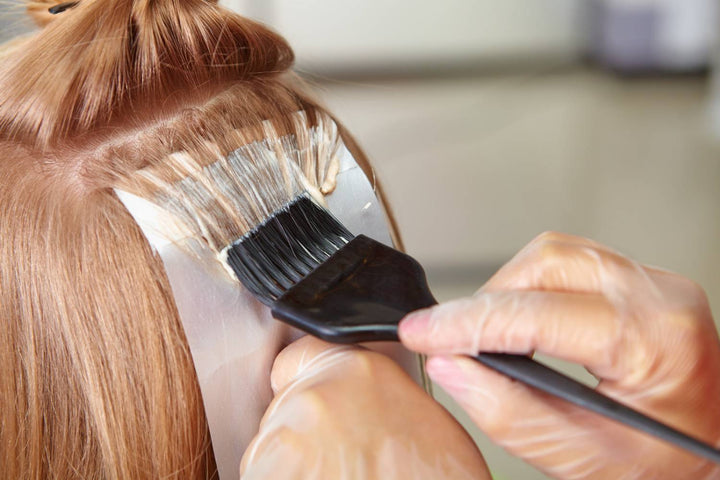
Most cellophane-style treatments deposit color and conditioning agents near the cuticle rather than using the stronger oxidation process required to make a major permanent color change. Clear versions add gloss without intentionally changing tone. Tinted versions can deepen, enrich, or neutralize existing color.
Because the treatment is deposit-only, it generally cannot lighten dark hair. It may make hair appear brighter because a smoother surface reflects light more evenly, but it does not remove natural pigment.
What results can you expect?
- More visible shine
- A smoother, more conditioned feel
- Temporary tone adjustment
- Reduced appearance of roughness or frizz
- Some blending of early gray, depending on the shade and formula
Results are cosmetic and temporary. They gradually fade with washing, heat, ultraviolet exposure, and the porosity of the hair. Very porous or bleached sections may absorb color differently, so a strand test is important.
Is it less damaging than permanent color?
A deposit-only gloss usually changes hair structure less than bleaching or oxidative permanent color. However, “less damaging” does not mean risk-free. Any formula can cause irritation or allergy, and heat used during processing can add stress. Some products marketed with similar language may use different chemistry.
Permanent dye and bleach use oxidation reactions that alter pigment within the hair shaft. Those processes can weaken the cuticle and cortex. If your hair has already been lightened, read how to care for bleached hair damage before layering another service.
Who may like a cellophane treatment?
It can be a good option for someone who wants a temporary shine boost, a subtle tone refresh, or a clear gloss without major lightening. It may also help hair look more polished between permanent color appointments.
It is not the right service for lifting several shades, permanently covering resistant gray, or repairing severely broken hair. A gloss can make damage look smoother, but it cannot rebuild missing cuticle or fuse split ends permanently.
Safety and allergy precautions
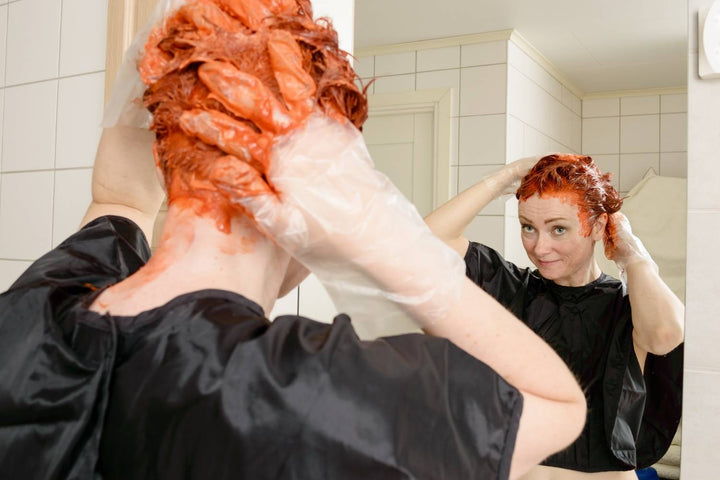
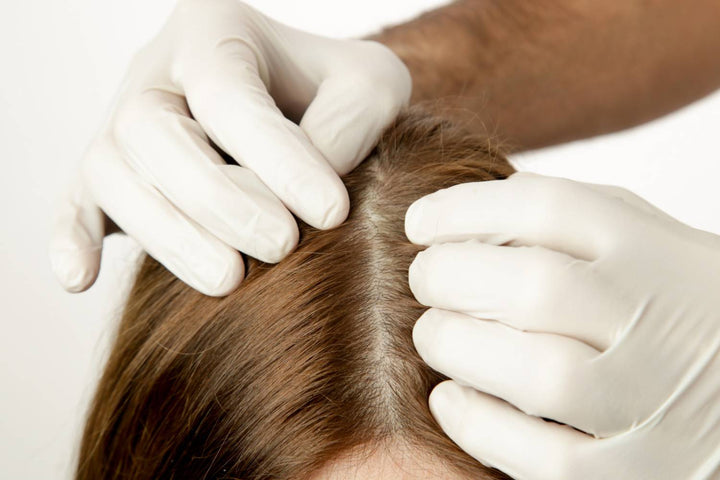
Follow the manufacturer’s patch-test directions even if you have used other hair color before. Hair-color reactions can be serious, and sensitivity can develop after earlier uneventful use. Do not apply color to a cut, inflamed, or infected scalp. Wear gloves for at-home use and avoid eyebrows and eyelashes.
If a formula contains a dye ingredient to which you have reacted before, do not use it without professional medical guidance. Burning, swelling, blistering, or trouble breathing requires immediate attention.
Aftercare
- Wait the amount of time recommended by the stylist or product instructions before the first shampoo.
- Use a gentle cleanser and condition the lengths.
- Limit very hot water and repeated high-heat styling.
- Protect hair from prolonged sun exposure.
- Do not repeat the service more frequently than the product allows.
How often you wash has a large effect on longevity. There is no reason to avoid cleansing a sweaty, oily, or irritated scalp just to preserve color. Healthy scalp care comes first.
Cellophane versus permanent dye
Choose a gloss when you want temporary deposit and shine. Choose permanent color when you need a durable shade change or substantial gray coverage and accept the greater structural processing. A colorist can consider your previous services, strand condition, and target shade. Our guide to how often hair can be dyed explains why timing should be based on the service and hair condition.
Support healthy-looking hair
Glosses improve the appearance of existing strands. New hair is produced by follicles and depends on overall health and nutrition. If hair is thinning from the root, a shine treatment will not address the cause.
Noophoric Hair+ combines vitamins, minerals, botanicals, and amino acids to support fuller, stronger, healthier-looking hair.
Further reading
Sources
This article is educational and is not a substitute for individualized medical advice.
The information on noophoric.com is for informational and educational purposes only and is not intended to be medical advice. Readers should consult with a qualified healthcare professional before making changes to diet, nutrition, supplementation, medication, or lifestyle.